English
 Arabic
 French
 Spanish
 Portuguese
 Deutsch
 Turkish
 Dutch
Dutch
 Italiano
 Russian
 Romaian
 Portuguese (Brazil)
 Greek
Greek
Global Natural Gas Tractor Market Valued at USD 1.45 Billion in 2025, Projected at 7.8% CAGR to 2034
غير مصنف |
2026-04-17 08:01:21
 Social Networth OS
 Creator Commerce
 Launch Startup
 Global News
 Creator Award
 Talkfever App
عرض كل النتائج
Talkfever App
عرض كل النتائج

ترقية الحساب
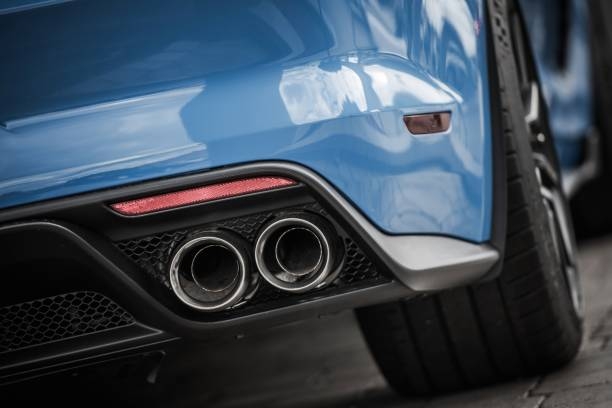
The SEAT Leon Cupra exhaust is well known for its strong performance, responsive handling, and sporty character. For many owners, the exhaust note is an important part of the driving experience, particularly when enjoying the car on open roads. While the standard exhaust system is designed to balance performance, comfort, emissions, and noise, there are several ways to make the sound deeper, sharper, or more noticeable. The key is to choose modifications that suit your driving habits while maintaining reliability, sensible cabin comfort, and compliance with regulations.
Before making any changes, it is useful to understand how the original exhaust system works. Components such as the downpipe, catalytic converter, resonators, silencers, valves, and tailpipes all influence the final sound.
The standard system is engineered as a complete package, so changing one component can affect the overall character of the car. Assessing the existing setup first can help you decide whether you need a subtle improvement or a more significant change.
A cat-back exhaust replaces the exhaust components located behind the catalytic converter. It is a popular modification for performance cars because it can alter the sound without necessarily changing the vehicle's entire exhaust system.
Depending on its design, a cat-back system can provide a deeper and more aggressive tone. Different manufacturers offer systems with varying levels of sound, so owners can select an option that matches their preferences. A quality system should provide a noticeable improvement without creating excessive harshness or cabin drone.
Sports exhaust systems are designed with performance and sound in mind. They may use different pipe diameters, silencers, resonators, and materials compared with the standard setup.
Stainless steel is commonly selected for its durability, while other materials may provide weight-saving benefits. The design is often more important than simply choosing the loudest system. A well-designed exhaust can produce a cleaner and more purposeful tone under acceleration.
A valve-controlled exhaust can give the driver greater control over the exhaust note. Depending on the system, valves can remain more closed during quieter driving and open when a louder sound is desired.
This can be useful for a Leon Cupra that is used as a daily car. You can enjoy a more pronounced exhaust note during spirited driving while maintaining a more comfortable sound level during motorway journeys or in residential areas.
Resonators help control particular sound frequencies and can reduce unwanted resonance. Removing or replacing them may make an exhaust louder, but it can also introduce drone inside the cabin.
For a car that is driven regularly, excessive drone can quickly become frustrating. Rather than removing components without considering the consequences, choose an exhaust system that has been designed to provide the desired sound while maintaining reasonable refinement.
Before purchasing any parts, decide what type of exhaust note you prefer. Some owners want a deep, bass-heavy sound, while others prefer a sharper and more aggressive character.
Think about how often you drive the car and where you use it. A very loud exhaust may sound exciting for short drives but become tiring on longer journeys. Listening to different systems in person or through reliable demonstrations can help you make a more informed choice.
Making the exhaust louder does not automatically make it better. Excessive modifications can create harsh tones, unwanted vibration, cabin drone, and potential problems with road compliance.
Changes to emissions-related components can also have serious implications. It is therefore sensible to focus on controlled sound improvements rather than simply maximising volume.
Professional installation can help ensure that an aftermarket exhaust is correctly fitted and aligned. An experienced specialist can also identify compatibility issues and recommend components suitable for your particular Leon Cupra.
A reputable installer should be able to discuss noise levels, emissions considerations, maintenance requirements, and relevant UK regulations before carrying out the work.
Once an exhaust has been installed, regular inspection is important. Check for leaks, loose fittings, damaged mounts, corrosion, and unusual vibrations.
A small exhaust leak can change the sound and may indicate a problem that needs attention. Proper maintenance helps preserve the intended exhaust note and reduces the risk of damage to other components.
Improving the exhaust sound of a SEAT Leon Cupra is about finding the right balance between excitement, refinement, reliability, and legality. Cat-back systems, sports exhausts, valve-controlled designs, and carefully selected resonators can all influence the vehicle's character. Instead of simply choosing the loudest option, consider the tone you want and how the car is used. Professional installation, regular maintenance, and attention to UK requirements can help ensure that your Leon Cupra sounds more distinctive while remaining enjoyable and practical for everyday driving.