English
 Arabic
 French
 Spanish
 Portuguese
 Deutsch
 Turkish
 Dutch
Dutch
 Italiano
 Russian
 Romaian
 Portuguese (Brazil)
 Greek
Greek
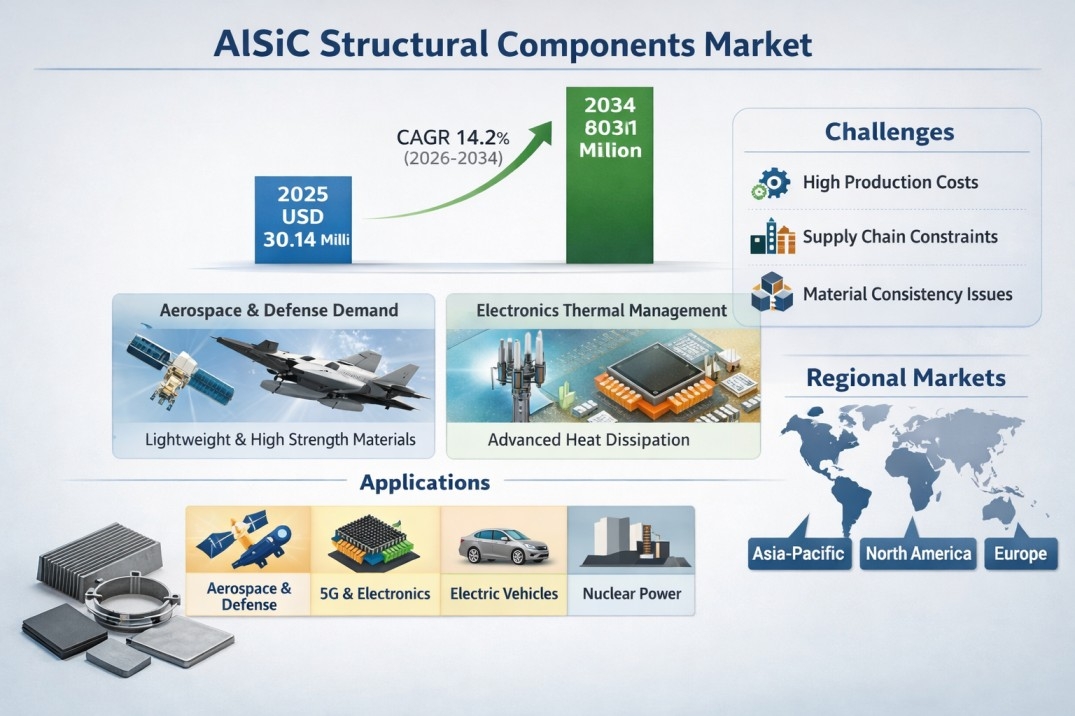
AlSiC Structural Components Market Forecast 2034 Expanding at 14.2% CAGR Driven by Aerospace Demand
Music |
2026-04-08 09:10:42
 Social Networth OS
 Creator Commerce
 Launch Startup
 Global News
 Creator Award
 Talkfever App
Tout voir
Talkfever App
Tout voir

Mise à niveau vers Pro
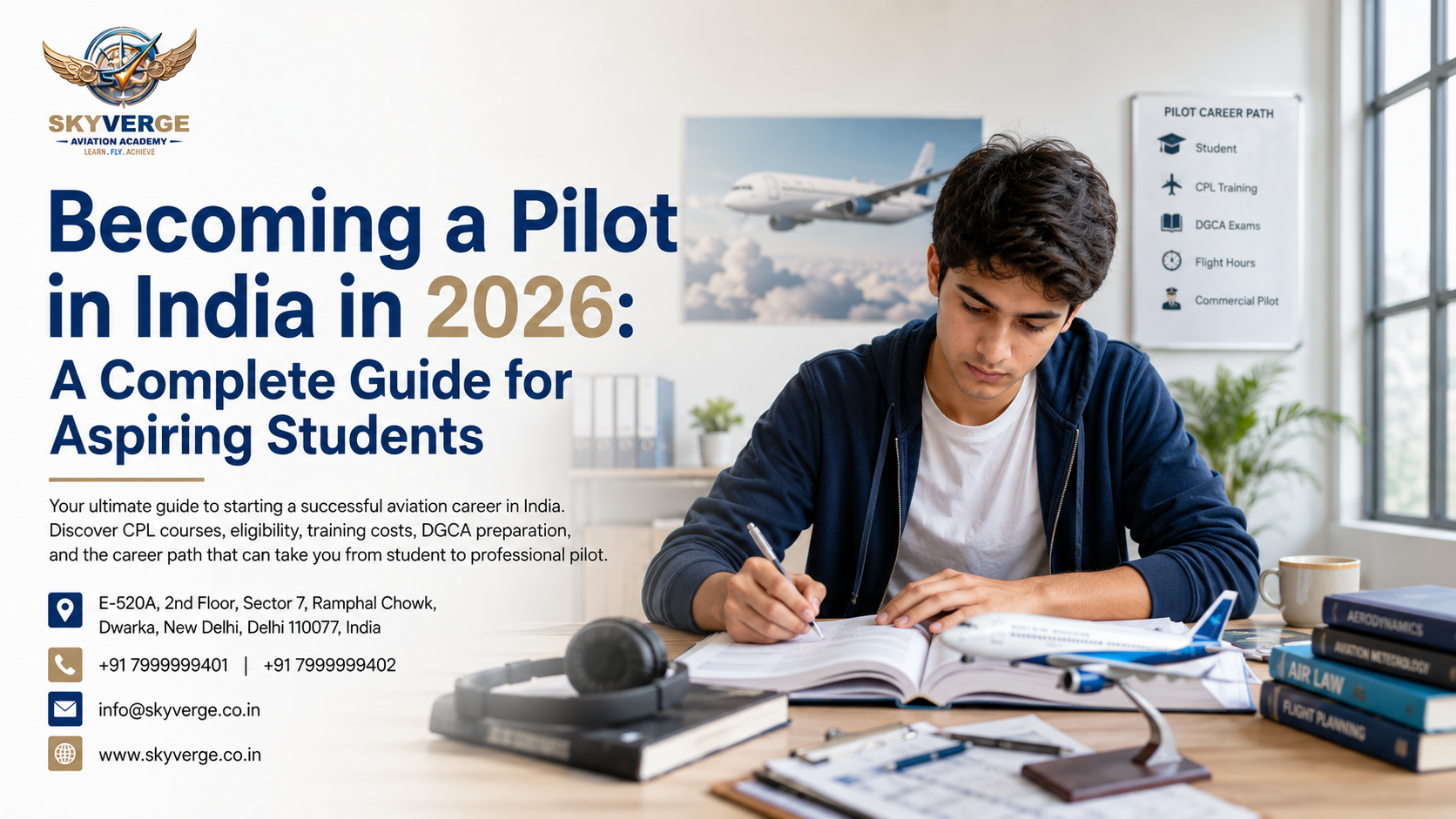
For many students, becoming a pilot is more than a career choice—it is a long-term dream. The opportunity to fly an aircraft, travel across destinations, work in a highly professional environment, and build a career in aviation attracts thousands of students every year.
However, the journey to becoming a professional pilot requires careful planning. Students need to understand educational eligibility, medical requirements, DGCA examinations, ground training, flight training, licensing, expenses, and career opportunities before making important decisions.
In 2026, aspiring pilots have access to more aviation education and training options than ever before. At the same time, students need to be careful when comparing institutes and understanding the actual requirements of pilot training.
This guide explains the major stages of the journey and provides practical information for students planning to enter aviation.
The first step is not booking a flight-training programme. It is understanding the complete pathway.
Students should first determine whether they meet the applicable educational requirements and then understand the medical and licensing requirements prescribed by the Directorate General of Civil Aviation (DGCA).
After that, students can plan their theoretical preparation and flight training.
A typical pathway involves:
Having this roadmap makes the process much easier to understand.
Pilot training involves a substantial investment of time, effort, and money. Because of this, students should avoid making decisions based solely on advertisements or promises.
Before joining a programme, students should understand:
A clear plan can prevent confusion later.
Students who want to pursue commercial flying generally work toward obtaining a Commercial Pilot Licence (CPL) after fulfilling the applicable DGCA requirements.
A CPL course in India involves both theoretical knowledge and practical flight training. Students need to develop an understanding of aviation subjects while simultaneously developing their flying skills.
The academic side of pilot training may cover subjects such as:
Navigation teaches students how pilots plan routes, determine positions, understand charts, perform calculations, and navigate safely.
Weather plays an important role in flight operations. Students learn about atmospheric conditions, weather systems, forecasts, winds, visibility, and other factors that influence aviation.
Pilots must understand the regulations and procedures governing aviation operations. Regulatory knowledge is an essential part of professional pilot preparation.
Students develop an understanding of aircraft systems, performance, components, limitations, and operating principles.
Professional aviation also requires strong decision-making, communication, situational awareness, and workload-management skills.
The combination of theoretical knowledge and practical training prepares students for the responsibilities associated with professional flying.
Many students initially focus primarily on flying because it is the most visible part of becoming a pilot. However, theoretical knowledge is equally important.
A structured DGCA ground school helps students build the academic foundation required for their examinations and future flying.
Good ground preparation should not be limited to memorising answers. Students should understand the principles behind the subjects because aviation knowledge continues to be relevant after examinations.
An effective learning environment can include:
Students should also develop their own study routine instead of depending entirely on classroom teaching.
Aviation examinations require consistency.
One useful approach is to divide preparation into different stages.
Before attempting large numbers of questions, understand the fundamental concepts of each subject.
Set specific study hours for each subject and follow the schedule consistently.
Question practice helps students identify areas where their understanding needs improvement.
Important formulas, concepts, definitions, and regulatory points can be summarised into short revision notes.
Making mistakes during practice is normal. The important thing is to understand why the mistake happened and avoid repeating it.
Revision should begin well before the examination rather than being left until the final few days.
One of the biggest considerations for students and their families is the overall Pilot training cost in India.
There is no universal figure because the final cost depends on multiple factors.
Some of the major components can include:
The number of flying hours a student ultimately requires can also influence the overall expense.
For this reason, students should ask for a detailed fee structure instead of relying on a single advertised number.
Before enrolling, ask the training provider:
What is included in the quoted fee?
Are aircraft and instructor charges included?
How are additional flying hours calculated?
Are examination fees separate?
Are accommodation and transportation included?
What additional expenses should the student expect?
These questions can help students and parents prepare a more realistic budget.
Students frequently search online for the Best pilot training institute in India. However, selecting an institute should involve more than looking at rankings or advertisements.
The best choice depends on the student's individual circumstances and the quality of the training and support available.
Consider the following factors.
Strong theoretical education is essential. Check whether instructors explain concepts clearly and whether students receive structured academic support.
Experienced instructors can make a significant difference when students are learning technically demanding aviation subjects.
The institute should clearly communicate its programme structure, fees, requirements, and other relevant information.
Students may encounter academic or procedural difficulties during their training. Having appropriate guidance can make the journey easier to navigate.
Aviation requirements can change. Students should ensure that their preparation is aligned with the applicable DGCA rules and procedures.
A professional and disciplined learning environment can help students develop habits that are useful throughout their aviation careers.
SkyVerge Aviation Academy is based in Dwarka, New Delhi, and provides aviation education and preparation for students interested in building careers in aviation.
For a student who is just beginning to explore pilot training, understanding the complete process can be challenging. Structured guidance can help students understand the academic side of aviation and make informed decisions about their next steps.
SkyVerge focuses on helping students understand their aviation journey step by step, including preparation and guidance related to the pilot-training pathway.
Students should still conduct their own research, compare available options, understand the applicable regulations, and make decisions according to their individual circumstances.
Becoming a pilot involves more than passing examinations.
Students should gradually develop several important professional qualities.
Flight training requires students to follow procedures carefully and consistently.
Clear communication is an important part of aviation. Students should become comfortable communicating professionally.
Pilots frequently need to evaluate information and make responsible decisions.
Balancing ground studies, examinations, flight training, and personal responsibilities requires effective time management.
Aviation is an industry where small details can matter. Students should develop the habit of checking information carefully.
Professional pilots continue learning throughout their careers because aviation procedures, technology, regulations, and operational practices evolve.
Students considering aviation in 2026 should focus on preparation rather than simply following industry trends.
Aviation is a professional field with demanding training requirements. Students should evaluate their interest, academic ability, financial planning, medical eligibility, and long-term career goals before committing.
It is also important to understand that completing pilot training does not automatically guarantee an airline position.
Airline recruitment depends on several factors, including qualifications, experience, airline requirements, market conditions, interview performance, and other selection criteria.
Therefore, students should approach pilot training as a long-term professional investment.
The lowest advertised fee may not represent the lowest overall cost.
Strong theoretical knowledge is an important part of becoming a professional pilot.
Students should verify important eligibility, licensing, and regulatory information through appropriate official sources.
Students should understand the applicable medical requirements before making major financial commitments.
Pilot training is the beginning of a professional journey, not an automatic employment guarantee.
Students should consider the overall training structure, support, transparency, and operational environment rather than looking at one number alone.
A CPL course is the professional pilot-training pathway through which eligible students complete the applicable theoretical and practical requirements for a Commercial Pilot Licence.
The total cost varies based on the training organisation, flying hours, location, accommodation, examinations, medical expenses, and other factors. Students should request a complete cost breakdown before enrolling.
DGCA ground school focuses on the theoretical knowledge required for pilot training and relevant DGCA examinations. Subjects can include navigation, meteorology, regulations, technical knowledge, and other aviation areas.
Compare institutes based on faculty, academic quality, training structure, transparency, student support, regulatory alignment, and overall suitability for your goals rather than relying only on advertisements.
Students can pursue the pilot-training pathway after meeting the applicable educational, medical, and regulatory requirements. Current DGCA requirements should always be verified before beginning training.
The difficulty depends on the student's academic foundation, preparation, consistency, and understanding of aviation subjects. Regular study and structured guidance can make preparation more manageable.
No. A CPL is an important professional qualification, but airline employment depends on additional factors such as experience, airline requirements, recruitment conditions, performance, and other selection criteria.
Parents should examine the complete fee structure, training pathway, possible additional expenses, medical requirements, academic preparation, and long-term career considerations before making a financial commitment.
A career as a pilot requires dedication, discipline, academic preparation, practical training, and long-term commitment. Students who understand the process before starting are better positioned to make informed decisions.
From understanding the CPL course in India to preparing through DGCA ground school, students should approach every stage systematically. Understanding the Pilot training cost in India is equally important when planning the financial side of the journey.
For students exploring aviation education and pilot preparation, SkyVerge Aviation Academy provides guidance from its centre in Dwarka, New Delhi.
Address: E-520A, 2nd Floor, Sector 7, Ramphal Chowk, Dwarka, New Delhi, Delhi 110077, India
Phone: +91 7999999401, +91 7999999402
Email: info@skyverge.co.in