 English
 Arabic
 French
 Spanish
 Portuguese
 Deutsch
 Turkish
 Dutch
Dutch
 Italiano
 Russian
 Romaian
 Portuguese (Brazil)
 Greek
Greek
Autoencoder-Based Time Series Anomaly Detection Providers Leading the Global Predictive Maintenance AI Market
Drinks |
2026-07-30 07:13:56
 Social Networth OS
 Creator Commerce
 Launch Startup
 Global News
 Creator Award
 Talkfever App
Tout voir
Talkfever App
Tout voir

Mise à niveau vers Pro
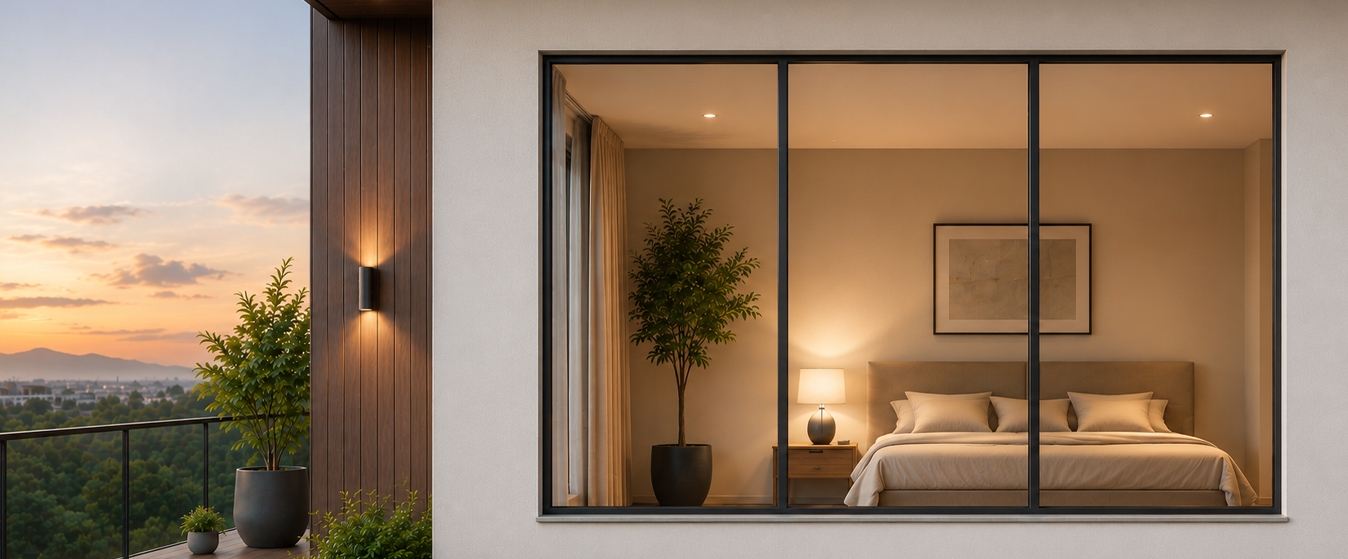
Choosing windows for a home goes well beyond picking a frame that looks good. The right windows should support ventilation, keep out dust and rain, offer adequate security, and remain easy to use over time. Aluminium casement windows work well in modern homes because they combine durable construction with slim frames and wide openings.
Before making a choice, though, it helps to look closely at what sits behind the design.
The profile forms the core structure of a window, so its quality has a direct bearing on how the finished unit performs. Look for a profile that offers good structural stability and is capable of supporting the size and weight of the selected glass.
Profile depth deserves attention too. Wider openings and heavier glazing may call for deeper profiles to maintain stability. At the same time, homeowners looking for a contemporary finish can opt for slim aluminium profiles that give the glass more visual prominence without making the frame look heavy.
A well-engineered profile should strike the right balance between strength and a clean, refined appearance.
Glass has a direct influence on the comfort, daylight, and overall performance of a window. Depending on the room and its requirements, you may consider single or double glazing.
A larger glass area can bring more natural light indoors while giving you a clearer view outside. The frame, however, must be compatible with the chosen glazing and capable of supporting its thickness and weight.
While comparing aluminium casement windows for home, think about the room’s exposure to sunlight, heat and outside noise. These factors can help determine which glazing option makes the most sense for a particular space.
Casement windows have an advantage in the way the sash closes against the frame. When properly designed and installed, this creates an effective seal around the opening and helps limit the entry of rainwater, dust, and outside air.
That matters in Indian homes, where windows may face heavy monsoon showers, dusty surroundings, and changing temperatures through the year. A reliable sealing system can help the window perform consistently under these conditions.
The aluminium profile alone doesn't determine weather performance. Check the quality of the gaskets and seals as well, along with how accurately they have been fitted.
Handles, hinges, and locking systems may not receive much attention during selection, yet they're the parts you will use most often. They should feel sturdy, operate smoothly and continue to work reliably with regular use.
Hinges, in particular, need to support the weight of the sash and glass, especially when the window is large. Multi-point locking systems can add an extra layer of security by securing the sash at several points when closed.
Good hardware should make everyday operation feel effortless. You shouldn't have to force the handle, adjust the sash repeatedly, or struggle to close the window properly.
A casement window can open wide, allowing a generous flow of fresh air into the room. That's useful in bedrooms, living areas and studies where ventilation plays a role in everyday comfort.
The available space around the opening needs equal attention. Since the sash generally opens outward, check that it won't clash with a balcony, walkway, neighbouring structure or another obstruction.
The size of the opening also affects the choice of profile and hardware. Larger windows need suitable specifications to support the sash effectively and maintain smooth, stable operation over time.
A window is visible from both inside and outside the home, so its finish should sit comfortably with the overall design. Powder-coated aluminium offers a range of colour options and helps the frame retain its appearance with minimal upkeep.
Contemporary aluminium casement window designs can also incorporate slimmer profiles, giving the glass greater visual presence and creating a cleaner look. This can work particularly well in modern interiors where natural light, simple lines and an uncluttered appearance are central to the design.
The finish should complement the home's style while also being appropriate for its surrounding environment.
Even a well-designed window can be compromised by poor fabrication and/or installation. Tight manufacturing tolerances help hold the frame and sash in proper alignment, and careful installation promotes smooth operation and good sealing.
Before you order, ask how the windows are made and installed. The process should consider correct fixing, alignment, sealing, and drainage. It is also worth checking the warranty terms and the extent of after-sales support provided by the manufacturer or supplier.
Having a reliable window partner is helpful even after the installation, especially when hardware adjustments or routine maintenance are needed.
Choosing aluminium casement windows calls for more than comparing frames and finishes. Look at the profile, glazing, seals, hardware, opening size, design, and installation quality as a complete system.
When these elements are considered together, aluminium casement windows for home can deliver lasting durability, ventilation, security and a clean, modern appearance.

