English
 Arabic
 French
 Spanish
 Portuguese
 Deutsch
 Turkish
 Dutch
Dutch
 Italiano
 Russian
 Romaian
 Portuguese (Brazil)
 Greek
Greek
Dubai vs Abu Dhabi Real Estate: Which Is Better for Property Investment in 2026?
Other |
2026-08-25 09:32:20
 Social Networth OS
 Creator Commerce
 Launch Startup
 Global News
 Creator Award
 Talkfever App
Afiseaza-i pe toti
Talkfever App
Afiseaza-i pe toti

Upgrade to Pro
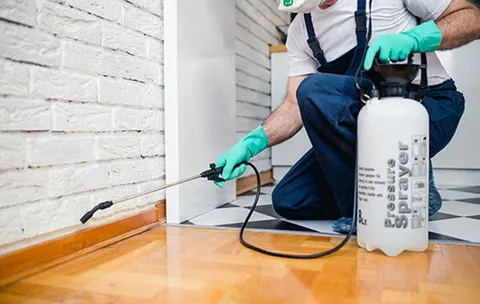
Deemak is one of the most damaging household pests because it can attack wooden furniture and structures without immediate detection. Many homeowners only discover the problem after doors, cupboards, furniture, or other wooden items have already suffered damage. This makes timely deemak control in Lahore an important part of home and property maintenance.
Lahore has a large number of residential and commercial properties with wooden doors, cabinets, wardrobes, and furniture. Moisture, water leakage, soil contact, and hidden cracks can create conditions that allow termites to enter a property. Understanding the signs, causes, prevention methods, and treatment options can help property owners take action at the right time.
This guide explains how to identify termite activity and how to reduce the risk of further infestation in Lahore and other areas of Pakistan.
Deemak is commonly known as a termite. It is an insect that feeds on cellulose, a natural material found in wood, paper, cardboard, and similar products.
Unlike many other household pests, termites often work in hidden locations. They may travel through soil, walls, cracks, floors, and wooden structures. Because of this hidden activity, an infestation can continue for a long period before visible signs appear.
Common materials that may be affected include:
The level of damage depends on the size of the infestation and how long it remains untreated.
Termites need suitable conditions to survive and find food. Buildings with moisture problems and accessible wooden materials can become more vulnerable.
In Lahore, homeowners should pay attention to areas affected by water leaks, humidity, drainage problems, and damp walls. These conditions may increase the chances of pest activity around or inside a property.
Several conditions can support termite activity:
Leaking pipes, damaged drainage, and damp areas can create favourable conditions. Bathrooms, kitchens, basements, and areas near water lines should receive regular inspection.
Wood placed directly on or close to soil may provide termites with easier access to a food source.
Small openings around pipes, foundations, and construction joints can provide hidden pathways.
Closed and damp spaces can retain moisture. Better airflow helps reduce unnecessary dampness in vulnerable areas.
Some wooden materials may be more exposed to termite damage if they are not properly protected and maintained.
Finding termite activity early can help limit damage. Homeowners should inspect wooden items and high-risk areas regularly.
Termites may consume the inside of wood while leaving a thin outer layer. As a result, furniture or wooden frames can sound hollow when gently tapped.
Some termites build small mud tubes to travel safely between the ground and a food source. These may appear on:
Mud tubes can indicate possible termite movement and should not be ignored.
Check furniture for weak surfaces, unusual holes, damaged joints, or thin wooden sections. Inspect the underside and back of furniture because termite activity may begin in areas that are not visible.
At certain times, winged termites may emerge to start new colonies. Finding groups of discarded wings near doors, windows, or lights can be a warning sign.
Wooden doors and frames may become damaged internally. In some cases, the affected wood can feel soft or break more easily than expected.
Termites can enter through very small spaces. They may travel from the soil into a structure through cracks, gaps, utility openings, and other hidden pathways.
Common entry areas include:
Regular building maintenance can help reduce these entry opportunities.
Prevention should focus on making the property less suitable for termite activity.
Inspect plumbing regularly. Repair leaking taps, pipes, and drainage systems without unnecessary delay.
Pay attention to damp spots behind cabinets and under sinks. Hidden leaks can remain unnoticed for a long time.
Allow air to circulate in enclosed spaces where possible. Reduce excessive moisture in storage rooms and other areas containing wood.
Do not leave wooden waste, old timber, or cardboard directly against the building for extended periods. Store such materials carefully and away from vulnerable areas where possible.
Check furniture periodically, especially older wooden items and furniture placed against damp walls.
Look at hidden sections rather than checking only the visible front surface.
Inspect walls, floors, foundations, and spaces around utility lines. Proper maintenance can reduce possible entry routes.
Old cardboard, paper, and unnecessary wooden materials can create additional hiding and feeding areas. Organised storage makes inspection easier.
Different termite infestations require different treatment methods. The correct approach depends on the location of the termites, the property design, and the extent of activity.
This approach focuses on areas where termites travel through soil toward a building. A treated barrier may help reduce termite access when applied correctly.
Soil treatment can be relevant for both existing buildings and new construction, depending on the situation.
Wood treatment focuses on protecting or treating specific wooden materials. It may be considered for doors, furniture, cabinets, frames, and other vulnerable items.
The method should match the type of wood and the level of infestation.
If activity is found in a specific area, treatment may focus on that location. However, termites can spread beyond visible damage.
For this reason, a wider inspection may be necessary before deciding that the problem is limited to one small area.
New construction projects can include termite prevention during the building process. Planning for termite protection before construction is complete can be easier than addressing a hidden infestation later.
Property owners and builders should consider termite prevention as part of long-term building maintenance.
Furniture is one of the main concerns when people search for termite control in Lahore. Beds, sofas with wooden frames, cupboards, dining tables, wardrobes, and cabinets can all contain materials vulnerable to termites.
Regular inspection is important because termites often attack hidden sections first.
Check:
Avoid placing valuable wooden furniture against persistently damp walls. Address water problems before they affect nearby wooden items.
Taking organised action is better than ignoring or randomly disturbing the affected area.
Follow these steps:
Avoid assuming that the problem has ended simply because termites are no longer visible on the surface.
Although Lahore is the main focus of this topic, termite problems can occur in many cities and regions of Pakistan. Climate, construction style, moisture levels, soil conditions, and building maintenance all influence termite risk.
Homeowners in Karachi, Islamabad, Rawalpindi, Faisalabad, Multan, Peshawar, and other cities can also follow the same basic prevention principles.
These include:
Local conditions may differ, so treatment decisions should match the specific property and infestation.
A termite infestation may not always produce immediate visible evidence. Regular inspection helps detect changes before the damage becomes extensive.
A simple inspection routine can focus on high-risk areas such as:
After renovation, flooding, water leakage, or major plumbing repairs, checking nearby wooden materials can also be useful.
The following questions provide quick answers to common concerns about termites, prevention, and property protection. These FAQs can help readers in Lahore and across Pakistan understand the most important steps for identifying and managing a termite problem.
Deemak control is the process of preventing, monitoring, and treating termite activity to protect wooden furniture, structures, and other vulnerable materials.
Look for hollow wood, mud tubes, damaged furniture, weak wooden frames, discarded wings, and unexplained wood damage.
Moisture can create conditions that support termite activity. Leaking pipes, damp walls, and poor drainage should be repaired to reduce risk.
Yes. Termites can damage wooden beds, cupboards, wardrobes, tables, cabinets, and other furniture containing cellulose-based materials.
Use preventive measures during construction, manage moisture, avoid unnecessary wood-to-soil contact, maintain proper drainage, and inspect the property regularly.
Effective deemak control in Lahore begins with understanding the problem and identifying warning signs early. Moisture control, regular inspection, proper building maintenance, and suitable termite treatment can help reduce the risk of serious damage to homes, furniture, and commercial properties.