 English
 Arabic
 French
 Spanish
 Portuguese
 Deutsch
 Turkish
 Dutch
Dutch
 Italiano
 Russian
 Romaian
 Portuguese (Brazil)
 Greek
Greek
Transform Your Workspace with Trusted Furniture Design and Installation by The Agile Office in Grovedale, AU
Other |
2025-02-27 07:32:40
 Social Networth OS
 Creator Commerce
 Launch Startup
 Global News
 Creator Award
 Talkfever App
Ver Todos
Talkfever App
Ver Todos

Atualize para o Pro
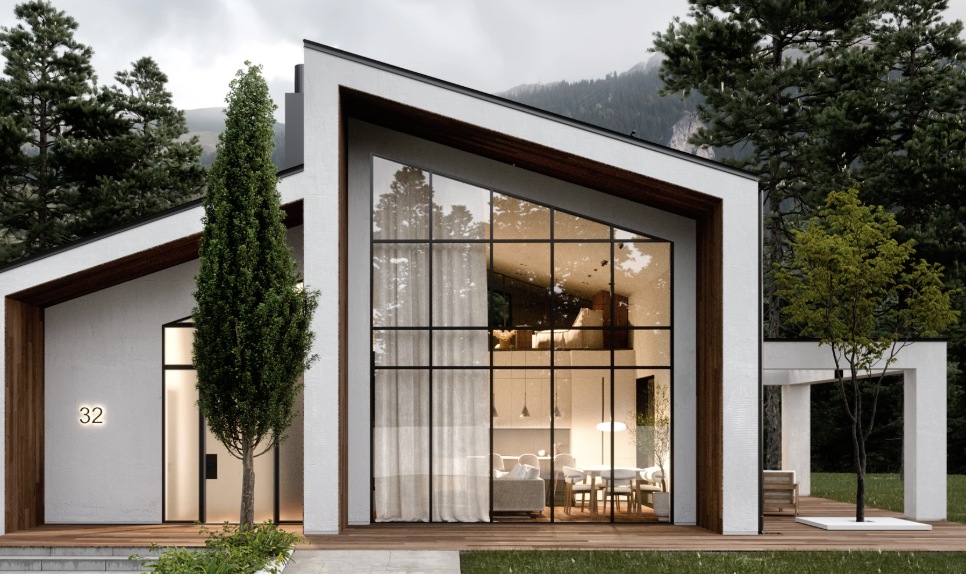
Architecture is traditionally presented through drawings, floor plans, static renders, and physical models. These formats are valuable, but they cannot always communicate how a building will actually be experienced. A viewer may understand the shape of a project without fully appreciating how its spaces connect, how people move through it, or how the building interacts with its surroundings.
This is where https://www.pixready.com/services/3d-architectural-animation can become an important part of the presentation process. Professional 3D architectural animation turns a static architectural concept into a dynamic visual journey, allowing viewers to explore a proposed environment through carefully designed camera movements, transitions, lighting, and realistic details.
An architectural project contains a large amount of information. Dimensions, elevations, materials, structural elements, landscaping, interiors, and surrounding infrastructure all contribute to the final result. When this information is presented only through technical drawings, people without an architectural background may find it difficult to imagine the completed project.
Animation changes that experience. Instead of asking an audience to mentally assemble separate drawings, it can present the project as a continuous sequence. A camera can approach the building from the outside, move toward the entrance, pass through interior spaces, and reveal important architectural features along the way.
This storytelling approach makes complex concepts easier to understand and gives presentations a stronger emotional impact.
One of the defining advantages of architectural animation is the ability to demonstrate movement. A static image can show a room or façade from one perspective, while animation can communicate the relationship between multiple spaces.
A virtual walkthrough might begin with the surrounding landscape and gradually introduce the main entrance. The camera can then move through reception areas, corridors, offices, apartments, public zones, or other spaces. Each transition helps explain how the different parts of a project connect.
For large developments, this can be particularly useful. Residential complexes, commercial buildings, hotels, cultural facilities, and mixed-use projects may contain numerous areas that are difficult to understand from isolated images.
The exterior of a building often creates the first impression. Its proportions, materials, landscaping, entrances, balconies, windows, and surrounding environment all contribute to its identity.
3D animation allows these elements to be presented dynamically. A sequence can show the building from multiple viewpoints, gradually reveal architectural details, and demonstrate how it fits into its surroundings.
Different times of day can also create very different impressions. Daylight scenes can emphasize materials and architectural forms, while evening sequences can highlight illuminated façades, entrances, pathways, and surrounding landscaping.
Interior architecture can be equally difficult to communicate through static plans. Clients may understand where furniture is placed but still struggle to imagine the atmosphere of the finished space.
Animation provides an opportunity to move through an interior as though someone were physically exploring it. It can reveal the relationship between rooms, ceiling heights, furniture arrangements, lighting, textures, and decorative elements.
This is useful for residential developments as well as offices, retail spaces, restaurants, hotels, and public buildings. A carefully produced sequence can demonstrate not only what a room looks like, but how one space leads naturally into another.
Architectural animation can make professional presentations more engaging. Instead of relying exclusively on static slides, architects and developers can use a visual sequence to introduce the project and guide an audience through its most important features.
This can be especially valuable when presenting a concept to people who are not familiar with architectural drawings. Investors, clients, marketing teams, property buyers, and other stakeholders can gain a more intuitive understanding of the proposed development.
The animation can also help establish a consistent narrative. Rather than showing unrelated images, the presentation follows a deliberate visual route that highlights the project's strongest characteristics.
For property developers, visual presentation can influence how potential buyers perceive a project before construction is complete. Architectural animation makes it possible to demonstrate planned buildings, neighborhoods, amenities, and public spaces while they are still under development.
A dynamic presentation can introduce the overall concept before focusing on individual features. It may show landscaped areas, parking, entrances, recreational facilities, shared spaces, and residential interiors as parts of one connected environment.
This gives prospective buyers a better understanding of what the finished development is intended to offer.
A convincing architectural animation depends on more than smooth camera movement. The digital environment needs to feel coherent and believable. Materials, lighting, proportions, landscaping, furniture, reflections, shadows, and surrounding elements all contribute to the final impression.
Professional 3D Architectural Animation Services combine these components into a unified visual experience. Careful camera planning is equally important because every movement should serve a purpose. The viewer needs enough time to understand important details without making the sequence feel slow or repetitive.
A well-produced animation therefore combines technical accuracy with visual storytelling.
PIXREADY offers professional visualization solutions for architecture and property-related projects that require more than static imagery. Through 3D animation, architectural concepts can be transformed into dynamic presentations that demonstrate the character, functionality, and atmosphere of a proposed environment.
Such visualization can support architectural presentations, development proposals, marketing campaigns, concept reviews, and other stages of a project's communication process. The combination of realistic environments and controlled camera movement helps make complex ideas more accessible to different audiences.
Architecture is ultimately experienced in three dimensions and through movement, yet many project presentations remain limited to two-dimensional drawings or individual images. Animation helps close this gap.
By transforming plans and digital models into a visual journey, architectural animation allows people to explore a project before it physically exists. They can see how spaces connect, how façades appear from different perspectives, how interiors feel, and how the entire development fits together.
For architects, developers, and property brands, this creates a more expressive way to communicate ideas. A building is no longer presented as a collection of technical elements but as an environment with movement, atmosphere, and purpose. That shift can make a complex architectural concept easier to understand and significantly more memorable.

