English
 Arabic
 French
 Spanish
 Portuguese
 Deutsch
 Turkish
 Dutch
Dutch
 Italiano
 Russian
 Romaian
 Portuguese (Brazil)
 Greek
Greek
How to Contact SBCGlobal Email Support Quickly and Easily
Other |
2025-12-01 05:47:57
 Social Networth OS
 Creator Commerce
 Launch Startup
 Global News
 Creator Award
 Talkfever App
Tout voir
Talkfever App
Tout voir

Mise à niveau vers Pro
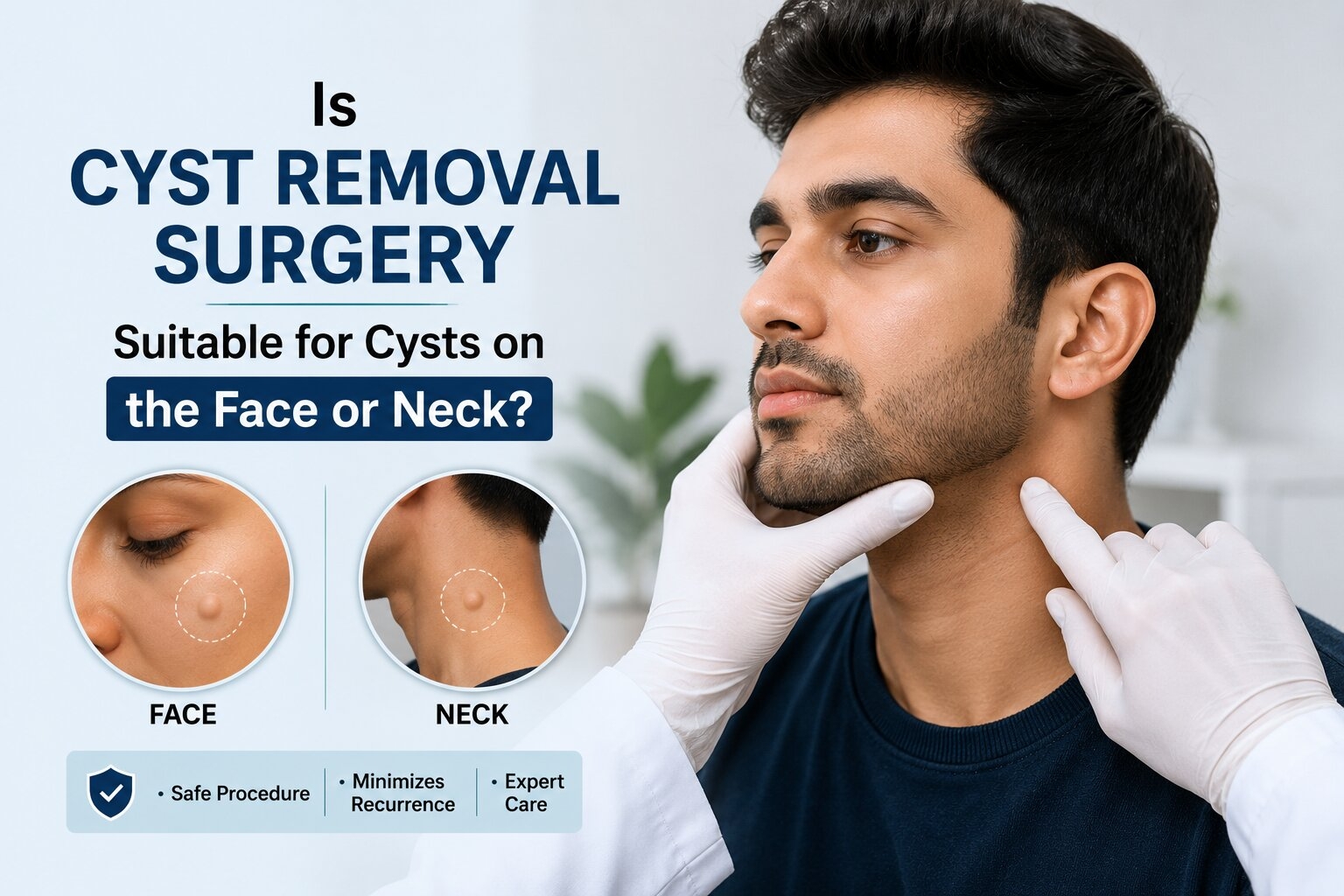
Cysts on the face or neck can be particularly noticeable and may become frustrating when they grow, become inflamed, or repeatedly irritate. Although many skin cysts are benign, removing one is not always as simple as treating a superficial skin concern.
At a Harley Street Skin Clinic, a professional assessment can help determine the nature of a cyst and whether removal is appropriate. Its size, location, depth, symptoms, previous history, and potential effect on appearance can all influence the recommended approach.
A cyst may be harmless, but its location can make it more noticeable or troublesome. Facial cysts can affect areas that are highly visible, while cysts around the neck may experience pressure from collars, jewellery, or regular movement.
The skin on the face and neck also varies in thickness and structure. A clinician therefore needs to consider the surrounding tissue when discussing removal.
Several factors may make a cyst more noticeable:
A cyst should not be squeezed or punctured at home. Doing so can irritate the area and may increase the risk of infection, inflammation, or scarring.
Not every cyst needs to be removed. If it is small, stable, and not causing symptoms, monitoring may sometimes be appropriate.
Removal may be discussed when a cyst becomes uncomfortable, repeatedly inflamed, continues to enlarge, or creates a persistent cosmetic concern.
Increasing size:
A cyst that continues to grow may become more noticeable or cause pressure on nearby tissue.
Repeated inflammation:
Some cysts can become inflamed more than once, leading to recurring swelling, tenderness, or redness.
Physical discomfort:
A cyst positioned beneath clothing or in an area of frequent movement can become irritating.
Cosmetic concerns:
A prominent facial cyst may affect a person's confidence, particularly when it is located in a highly visible area.
Recurrence:
A cyst that repeatedly returns after temporary treatment may require assessment to determine whether definitive removal is appropriate.
The decision should always be based on a professional assessment rather than appearance alone.
Yes. The location of a cyst can influence both the procedure and the way the skin heals afterwards.
A small cyst on the cheek may require a different approach from one positioned along the neck. The clinician may consider the depth of the cyst, its relationship with nearby structures, and the amount of movement or tension affecting the area.
Because facial skin is highly visible, patients are often particularly concerned about the appearance of any resulting scar. Treatment planning may therefore take the cyst's position and the direction of natural skin tension into account.
The aim is to address the cyst appropriately while considering the surrounding skin and the potential appearance of the treated area after healing.
The neck is another area where movement can affect healing. Turning the head, wearing clothing, or regular friction can place pressure on a healing wound.
A clinician can discuss these factors before treatment and provide specific aftercare instructions afterwards.
A lump on the face or neck should not automatically be assumed to be a cyst. Several different types of skin growths can have a similar appearance, so confirming the likely diagnosis is an important first step.
During an assessment, a clinician may consider:
If there is uncertainty about the diagnosis, additional assessment may be recommended before proceeding with treatment.
This is particularly important for facial and neck lumps because these areas contain important structures that need to be considered during treatment planning.
An inflamed cyst may require a different approach from a calm, non-inflamed cyst.
When a cyst becomes inflamed, the surrounding skin can become swollen, tender, and sensitive. In some situations, the immediate priority may be to manage the inflammation before considering definitive removal.
Inflammation can make the tissue more difficult to treat and may affect the ability to identify and remove the cyst wall cleanly.
If the cyst is infected or significantly inflamed, a clinician may recommend appropriate management first. Once the area has settled, the possibility of definitive removal can be reassessed.
Patients should not attempt to drain an inflamed cyst themselves. Professional evaluation can help determine whether the lump requires treatment and which approach is appropriate.
For people considering cyst removal surgery in London, the process generally starts with a consultation rather than immediately proceeding to surgery.
The clinician can assess the cyst and discuss whether removal is appropriate. If treatment is recommended, the procedure, potential risks, expected healing, and possible scarring should be explained before the patient decides to proceed.
Depending on the cyst and its location, removal may be performed using a minor surgical technique under local anaesthetic.
The treatment area is prepared carefully, and local anaesthetic may be used to keep the area comfortable. The clinician then removes the cyst using the technique considered most appropriate for its characteristics.
Where appropriate, removing the cyst and its surrounding capsule or wall can be important because leaving part of the cyst behind may increase the chance of it returning.
The exact procedure varies from patient to patient, so a consultation is important for establishing what is suitable.
Any procedure that involves an incision can potentially leave a scar. This is particularly relevant when treating facial or neck cysts because these areas are visible.
However, the eventual appearance of a scar can vary considerably. Factors such as the size and depth of the cyst, its location, the treatment technique, individual healing, and aftercare can all influence the result.
Patients should have realistic expectations. The goal is careful treatment and appropriate healing, rather than a guarantee that no mark will remain.
Recovery depends on the cyst's location, size, treatment method, and individual healing response.
Some patients may experience temporary tenderness, swelling, bruising, or sensitivity around the treated area. These effects can occur as the skin begins to repair itself.
Following the clinician's aftercare instructions is important. Patients may be advised to:
The scar may initially appear more noticeable before gradually changing as it matures. Healing can continue for an extended period after the wound itself has closed.
A cyst can sometimes return after treatment, particularly if part of its capsule or wall remains.
This is one reason why definitive removal may be considered for cysts that repeatedly cause problems. Simply releasing the contents of a cyst may provide temporary relief but does not necessarily eliminate the structure responsible for producing the material inside.
A new lump appearing in the same area should also be assessed rather than automatically assumed to be recurrence.
A new or recurring lump could be related to:
Professional assessment can help establish what is happening and whether further treatment is appropriate.
Although many cysts are harmless, professional assessment is particularly important when a lump changes or develops unusual symptoms.
You should consider seeking medical advice when:
These signs do not automatically indicate a serious condition. They simply provide reasons for appropriate clinical assessment.
Good preparation begins with an honest discussion about the cyst and your expectations.
Tell the clinician about previous inflammation, earlier treatments, changes in size, discomfort, and any history of unusual scarring. This information can help inform the treatment plan.
It is also useful to discuss cosmetic concerns openly, particularly when the cyst is located on the face or neck.
Patients may wish to ask:
Understanding the possible benefits and limitations before treatment can help patients make an informed decision.
Many facial cysts can be removed when treatment is considered clinically appropriate. The location, size, depth, and condition of the cyst should be assessed before a procedure is recommended.
No. Not every neck lump is necessarily a cyst, and not every cyst requires removal. A professional assessment can help determine the nature of the growth and whether treatment is appropriate.
Any procedure involving an incision can leave a scar. The final appearance depends on factors such as the cyst's size, location, removal method, individual healing, and aftercare.
An inflamed cyst may need to be managed differently from a non-inflamed cyst. A clinician can determine whether the inflammation should settle before definitive removal is considered.
Yes, recurrence is possible, particularly if part of the cyst wall remains. A new lump in the same area should be professionally assessed to determine whether it is a recurrence or a separate growth.
Cysts on the face or neck can often be treated when removal is considered appropriate, but the decision should follow a professional assessment. Their location, size, symptoms, previous inflammation, and potential impact on appearance can all influence the treatment approach.
For facial and neck cysts, scarring is an important consideration. Although careful treatment and suitable aftercare can support good healing, no procedure can guarantee completely scar-free skin.
A consultation allows the cyst to be assessed properly and allows patients to discuss treatment, recovery, potential scarring, and the possibility of recurrence. When removal is appropriate, an individualised approach can help balance the need to address the cyst with the importance of protecting the surrounding skin.