When it comes to weight loss, nutrition often boils down to a simple question: what should you eat more of? Among the most debated strategies are high-protein and high-fibre diets. Both have strong scientific backing, offer unique metabolic advantages, and can play a powerful role in fat loss. But which one is truly more effective?
Understanding High-Protein Diets
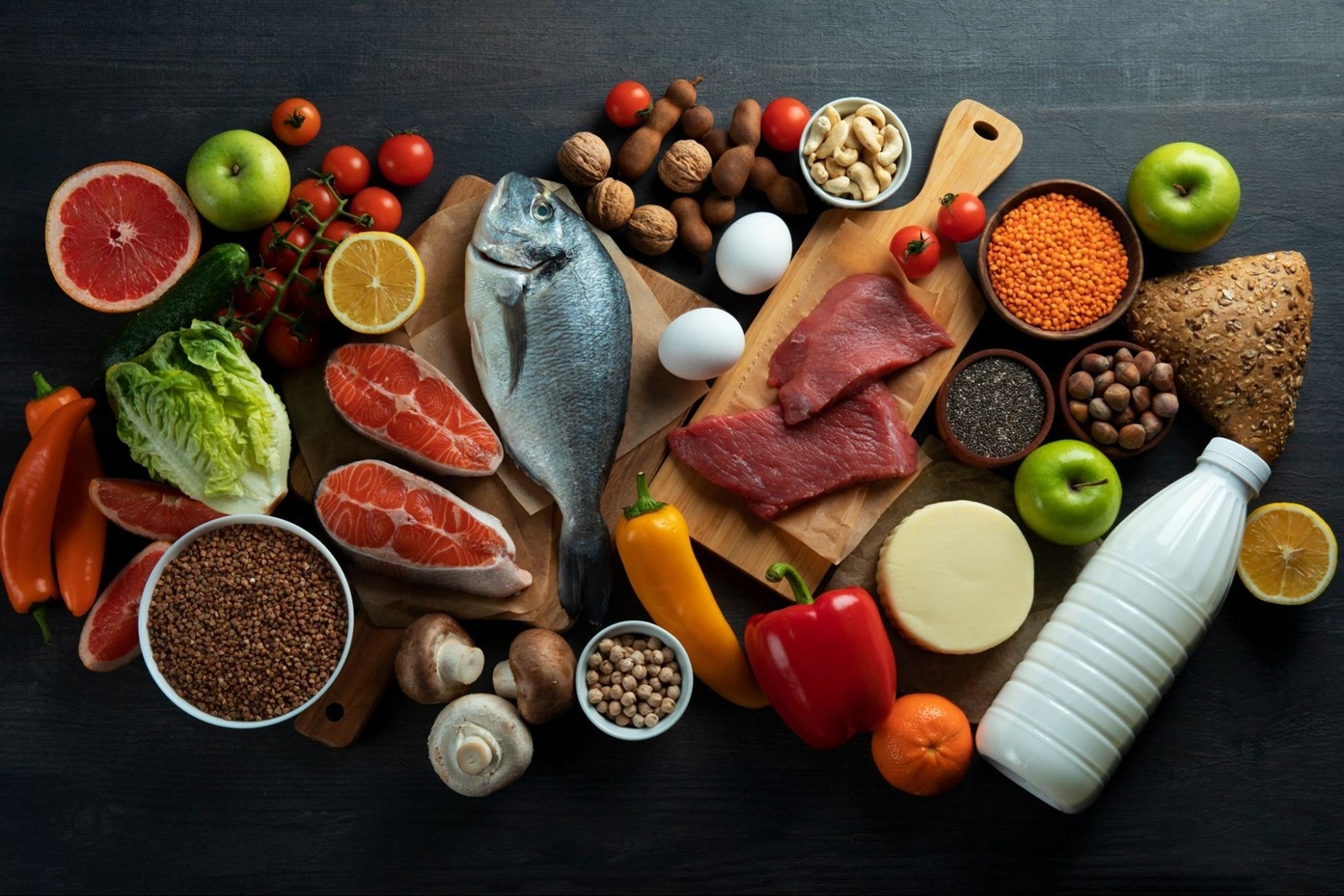
A high-protein diet emphasizes foods such as lean meats, eggs, dairy, legumes, and plant-based protein sources. Protein is known for its thermogenic effect, meaning your body burns more calories digesting it compared to fats or carbohydrates. This is often referred to as the “thermic effect of food.”
One of protein’s biggest advantages is its ability to promote satiety. It reduces levels of the hunger hormone ghrelin while increasing hormones that make you feel full, such as peptide YY. As a result, individuals on high-protein diets often consume fewer calories naturally, without strict portion control.
Additionally, protein plays a critical role in preserving lean muscle mass during weight loss. This is crucial because muscle tissue helps maintain a higher metabolic rate, allowing you to burn more calories even at rest.
Understanding High-Fibre Diets
High-fibre diets focus on fruits, vegetables, whole grains, legumes, nuts, and seeds. Fibre is a type of carbohydrate that the body cannot fully digest, and it offers several weight loss benefits.
Firstly, fibre adds bulk to your meals without adding significant calories, helping you feel full for longer. Soluble fibre, in particular, forms a gel-like substance in the gut, slowing digestion and stabilizing blood sugar levels. This prevents spikes and crashes that often lead to overeating.
Fibre also supports gut health by feeding beneficial bacteria in the microbiome. A healthy gut has been increasingly linked to improved metabolism, reduced inflammation, and better weight management.
Moreover, high-fibre diets tend to be lower in energy density, meaning you can eat larger portions while consuming fewer calories—a key factor in sustainable weight loss.
Comparing Effectiveness for Weight Loss
Both high-protein and high-fibre diets are effective, but they work in slightly different ways.
High-protein diets excel in appetite control and muscle preservation. They are particularly beneficial for individuals who engage in resistance training or want to maintain a toned physique while losing fat. Protein also provides quicker satiety signals, making it easier to reduce overall calorie intake.
On the other hand, high-fibre diets shine in long-term sustainability. They promote digestive health, reduce cravings, and support steady energy levels throughout the day. Fibre-rich foods are often more nutrient-dense, contributing to overall health beyond just weight loss.
Scientific studies suggest that combining both approaches may deliver the best results. Diets that include adequate protein and high fibre have been shown to improve adherence, enhance satiety, and optimize fat loss without extreme restrictions.
Which Should You Choose?
The answer depends on your lifestyle, preferences, and weight loss goals.
If your primary focus is rapid fat loss and muscle retention, increasing protein intake may offer a slight edge. However, if you struggle with hunger, cravings, or digestive issues, prioritizing fibre could be more beneficial.
Ultimately, the most effective diet is one that you can maintain consistently. A balanced approach that includes both high-quality protein and fibre-rich foods is often the most practical and sustainable strategy.
Conclusion
There is no clear winner in the debate between high-protein and high-fibre diets for weight loss—because both are highly effective in their own right. Protein helps control appetite and preserve muscle, while fibre enhances fullness, improves digestion, and supports long-term health.
Rather than choosing one over the other, the optimal strategy is to integrate both into your daily diet. A meal plan that combines lean proteins with fibre-rich vegetables, whole grains, and legumes can maximize fat loss while keeping you satisfied and energized.
In the end, sustainable weight loss is less about extremes and more about balance, consistency, and smart nutritional choices.
Frequently Asked Questions (FAQ)
1. Can I combine high-protein and high-fibre foods in one diet?
Yes, and it’s highly recommended. Combining both nutrients enhances satiety, improves digestion, and supports sustainable weight loss.
2. Which is better for belly fat loss—protein or fibre?
Both can help reduce belly fat. Protein helps reduce overall body fat, while fibre reduces bloating and supports gut health, which can improve abdominal appearance.
3. How much protein and fibre should I consume daily?
Protein intake typically ranges from 1.2 to 2.0 grams per kilogram of body weight, depending on activity level. Fibre intake should be around 25–35 grams per day for most adults.
4. Are there any side effects of high-protein diets?
Excessive protein intake may strain the kidneys in individuals with pre-existing conditions and can lead to low fibre intake if not balanced properly.
5. Can high-fibre diets cause digestive issues?
Yes, especially if increased too quickly. Gradually increasing fibre intake and drinking plenty of water can help prevent bloating and discomfort.
6. Which diet is more sustainable long-term?
High-fibre diets are generally easier to sustain due to their variety and overall health benefits, but combining both approaches is ideal for long-term success.
 English
 Arabic
 French
 Spanish
 Portuguese
 Deutsch
 Turkish
 Dutch
Dutch
 Italiano
 Russian
 Romaian
 Portuguese (Brazil)
 Greek
Greek
 Social Networth OS
 Creator Commerce
 Launch Startup
 Global News
 Creator Award
 Talkfever App
δες τα όλα
Talkfever App
δες τα όλα