 English
 Arabic
 French
 Spanish
 Portuguese
 Deutsch
 Turkish
 Dutch
Dutch
 Italiano
 Russian
 Romaian
 Portuguese (Brazil)
 Greek
Greek
Environmental & Social Impact Assessment (ESIA): A Complete Guide for Industrial Projects in India
Sem categoria |
2025-12-23 13:28:14
 Social Networth OS
 Creator Commerce
 Launch Startup
 Global News
 Creator Award
 Talkfever App
Ver todos
Talkfever App
Ver todos

Atualizar para Plus
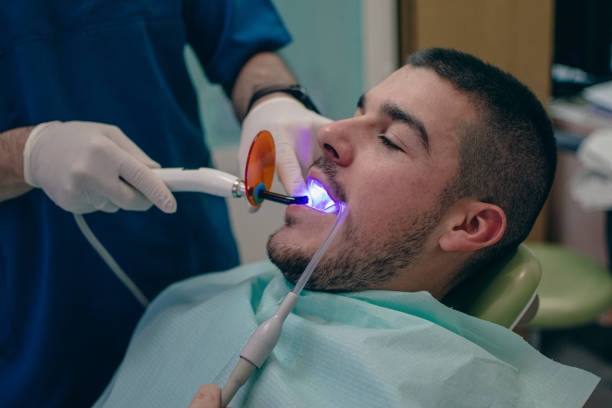
Composite bonding is a cosmetic dental treatment used to improve the shape, colour and appearance of teeth. A tooth-coloured resin is applied to the tooth, shaped by the dentist and hardened with a curing light. The material bonds to the tooth surface, allowing the dentist to make controlled changes without extensive tooth preparation.
For people considering Composite Bonding Manchester, understanding the treatment, benefits, limitations and aftercare helps you decide whether it suits your dental needs.
Composite bonding uses a tooth-coloured resin material similar to the material used for white fillings. Your dentist selects a shade close to your natural teeth. The tooth surface is prepared, followed by the application of an adhesive and composite resin.
The dentist then shapes the material to improve the tooth. A curing light hardens the resin. Final adjustments and polishing create a smoother surface.
Composite bonding often suits minor cosmetic concerns, including:
• Small chips or worn edges
• Gaps between teeth
• Uneven tooth shapes
• Slightly short teeth
• Minor changes in tooth proportions
• Some areas of tooth wear
Direct composite resin also has a role in managing worn teeth. British Dental Journal research describes the technique as conservative because it adds material while preserving existing tooth structure.
One of the main advantages is the conservative nature of treatment. Your dentist often needs little or no removal of healthy enamel when the treatment is suitable.
Composite bonding also offers a relatively straightforward treatment process. Your dentist works directly on the tooth, allowing the shape and appearance to be adjusted during the appointment.
Other potential benefits include:
• Tooth-coloured results
• Minimal alteration of natural tooth structure
• Ability to repair small chips
• Treatment of selected spaces between teeth
• Straightforward repair if minor damage occurs
• Lower treatment complexity than some indirect restorations
For patients looking at Composite Bonding Manchester, a dental assessment remains important. Bonding is not suitable for every cosmetic concern. Your dentist needs to assess your bite, enamel, gum health, tooth wear and existing dental work before recommending treatment.
Composite bonding does not last forever. Its lifespan depends on factors such as the tooth involved, biting forces, oral hygiene, diet, grinding habits and the quality of the restoration.
Research from England and Wales reviewed around 3.5 million resin composite restorations. About 34% remained free from re-intervention after 15 years, while around 83% of restored teeth survived without extraction. These figures relate to broader composite restorations rather than cosmetic bonding alone, so they should not be treated as a guaranteed lifespan for cosmetic work.
Another British Dental Journal study reported wear, marginal discolouration and fracture as common minor failure patterns in anterior composite restorations.
This is why regular dental reviews matter. Your dentist should check the margins, surface condition, bite and surrounding teeth.
A typical appointment follows several steps.
1. Consultation and assessment
Your dentist examines your teeth and discusses your goals.
2. Shade selection
A suitable shade of composite resin is selected.
3. Tooth preparation
The tooth surface is prepared for bonding.
4. Adhesive application
Adhesive material is applied to create a suitable bonding surface.
5. Composite placement
Composite resin is placed and shaped.
6. Curing
A curing light hardens the material.
7. Bite adjustment
The dentist checks your bite and makes final adjustments.
8. Polishing
The restoration is polished to create a smooth finish.
Good moisture control and careful surface preparation are important for reliable bonding. Clinical guidance also highlights proper curing, stable bite contacts and accurate margins as key factors in successful composite treatment.
Composite bonding often works well for small cosmetic changes. Larger structural problems require a different assessment.
Your dentist might recommend another treatment if you have extensive decay, significant tooth damage, severe tooth wear or an unstable bite. Gum disease also needs appropriate management before cosmetic treatment.
If you grind your teeth, tell your dentist before treatment. Heavy biting forces increase the risk of fracture and wear. A night-time bite guard might form part of your aftercare plan where appropriate.
For anyone researching Composite Bonding Manchester, ask your dentist about the condition of your teeth, expected maintenance, treatment limitations and alternative options.
Good oral hygiene helps protect both the bonded tooth and your natural teeth.
Follow these habits:
• Brush twice daily with fluoride toothpaste.
• Clean between your teeth every day.
• Attend routine dental examinations.
• Avoid biting hard objects with bonded teeth.
• Avoid habits such as nail biting or chewing pens.
• Reduce frequent exposure to staining foods and drinks.
• Tell your dentist if the bonding feels loose, rough or damaged.
Composite resin is more prone to staining and surface changes than natural enamel or some ceramic restorations. Smoking, frequent tea and coffee consumption and certain foods might contribute to discolouration over time.
Composite Bonding Manchester clinics should assess your individual needs rather than applying the same treatment plan to every patient. Your bite, tooth condition and cosmetic goals all influence the final approach.
Prices vary between dental practices and depend on the number of teeth treated, treatment complexity and the dentist's experience. Ask for a written treatment plan before proceeding. It should explain the number of teeth involved, expected maintenance and total fees.
Also ask whether future polishing or repairs carry separate costs. Composite restorations often require maintenance over time, particularly where teeth experience heavy wear.
A 2024 British Dental Journal study found composite restorations used for severe tooth wear were viable over the medium to long term, although fracture, wear and marginal discolouration remained common maintenance issues.
Composite bonding offers a conservative way to address selected cosmetic and restorative dental concerns. It preserves tooth structure in suitable cases and provides a tooth-coloured result.
Before choosing Composite Bonding Manchester, book an assessment with a qualified dentist. Discuss your desired result, bite, tooth condition, expected lifespan and maintenance needs. A careful assessment gives you a clearer idea of what bonding will achieve and whether another treatment would provide a better long-term result.



