English
 Arabic
 French
 Spanish
 Portuguese
 Deutsch
 Turkish
 Dutch
Dutch
 Italiano
 Russian
 Romaian
 Portuguese (Brazil)
 Greek
Greek
Career Success in Pakistan: Your Guide to Jobs in Islamabad
Uncategorized |
2026-03-19 09:29:24
 Social Networth OS
 Creator Commerce
 Launch Startup
 Global News
 Creator Award
 Talkfever App
Afiseaza-i pe toti
Talkfever App
Afiseaza-i pe toti

Upgrade to Pro
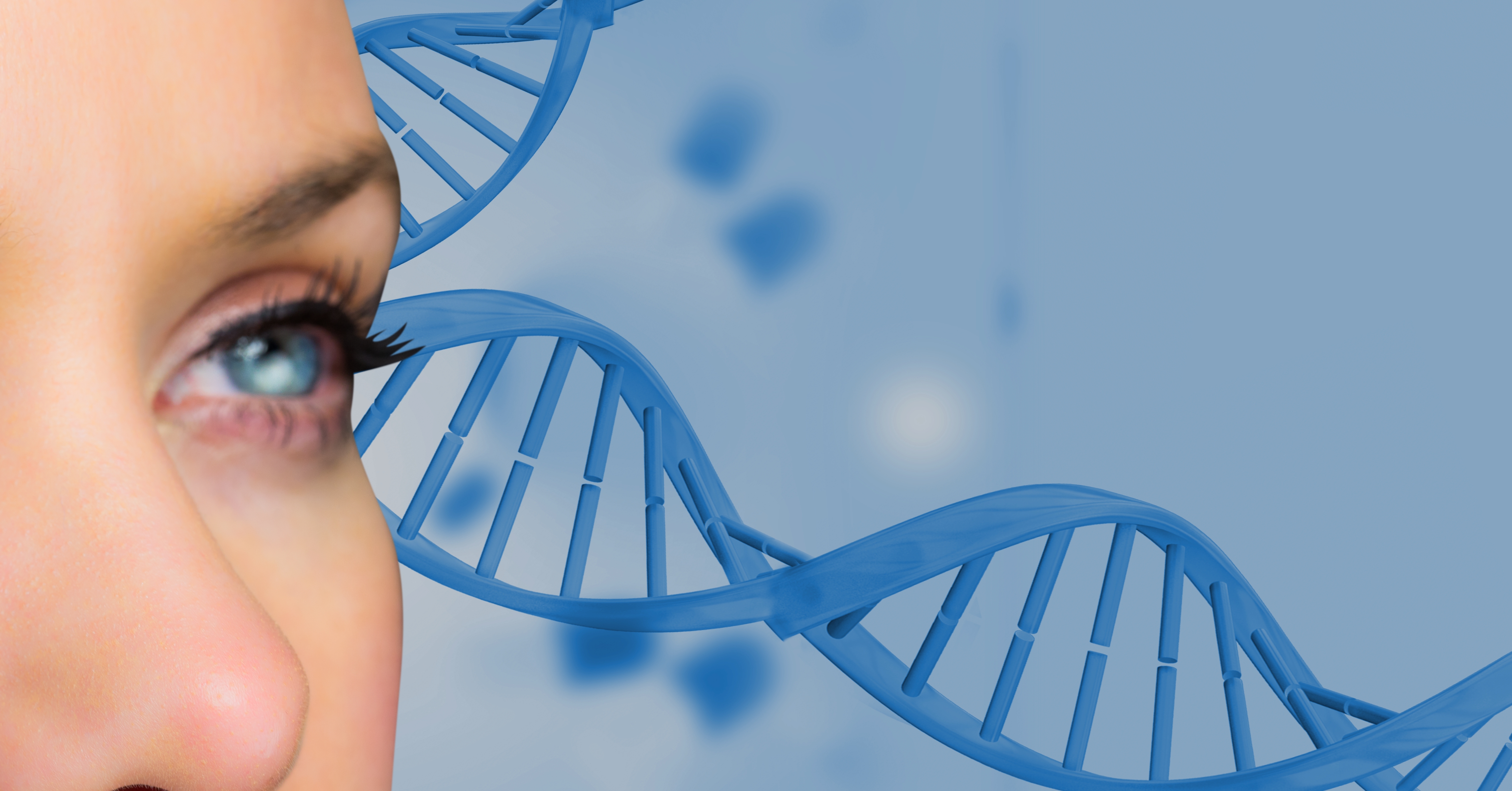
A relationship DNA test is one type of DNA testing that offers scientifically sound results to determine the truth behind any biological connection between two individuals. This test does not require the comparison of physical appearance, tales from the family, or any assumptions since the results are based on the analysis of certain genetic markers possessed by the two people. This type of DNA testing is employed when trying to determine the nature of the biological link between the two people who may have a family relation, such as siblings, grandparentage, aunt-uncle, etc.
A relationship DNA test involves analyzing specific DNA patterns common to two or more individuals. Children receive about half of their DNA from each biological parent; therefore, relatives have a definite pattern of DNA.
While ancestry tests aim at identifying the geographical origin of the individuals, relationship tests analyze the biological connection between people.
Such a connection can be examined in cases where there is a need to determine whether the two individuals are full or half-siblings or not related at all.
Most relationship tests begin with a simple cheek-swab sample. DNA is extracted from the cells collected inside the mouth and analyzed at a laboratory.
The laboratory compares genetic markers between the people being tested. The more closely their genetic profiles correspond in the expected pattern, the stronger the evidence for a biological relationship.
Sometimes the person whose relationship is in question is unavailable for testing. In these cases, other biological relatives may provide useful genetic information.
For example, if an alleged father cannot participate in a paternity investigation, testing the child's grandparents or close paternal relatives may help establish or exclude a biological connection. The exact testing strategy depends on which relatives are available and what relationship needs to be investigated.
Kinship DNA testing can be used for several family relationships, although the strength and interpretation of the evidence can vary depending on the relatives tested.
Common examples include:
Sibling and half-sibling testing
Grandparent and grandchild testing
Aunt or uncle and niece or nephew testing
Certain extended-family relationships
Indirect relationship testing when a parent is unavailable
DNA testing can also be performed for personal reasons or legal matters. If results will be used for immigration, custody, inheritance, or court proceedings, a legal test with documented identity verification and chain of custody is generally required.
A laboratory report does not simply rely on whether two people “look related.” It uses statistical analysis of genetic markers to calculate the likelihood of a proposed relationship.
A result may support a relationship with a very high probability or exclude it based on the genetic evidence. The interpretation depends on the type of test, participants, and laboratory methodology.
This distinction is important because biological relationship testing is different from comparing photographs or physical features. Facial resemblance can be interesting, but it cannot scientifically establish a biological relationship.
There are various reasons why people opt for relationship testing, which include family-related concerns, legal documentation, inheritance, immigration issues, or just for their own peace of mind. When getting a relationship test done, it is important to consider if you want a privately administered test just for yourself or a test that is admissible in a court of law.
Face DNA Test, based in Fort Worth, Texas, is one example of a provider offering relationship DNA testing, with legal and non-legal testing options available depending on how the results will be used.
One casual customer-style reference published by the company describes the testing experience as confidential and straightforward, highlighting the importance of clear communication when families are dealing with sensitive relationship questions.
The relationship DNA test offers a means for scientific proof when there is a doubt regarding family linkages. Using DNA analysis, the laboratories will be able to analyze the linkages that cannot be determined based on paperwork and physical appearances. If you need to carry out the tests, the best approach would be to determine the relationship in question and its legal validity.