English
 Arabic
 French
 Spanish
 Portuguese
 Deutsch
 Turkish
 Dutch
Dutch
 Italiano
 Russian
 Romaian
 Portuguese (Brazil)
 Greek
Greek
Build A Supply Chain That Handles Boom
Other |
2026-07-23 16:56:29
 Social Networth OS
 Creator Commerce
 Launch Startup
 Global News
 Creator Award
 Talkfever App
Alle anzeigen
Talkfever App
Alle anzeigen

Upgrade auf Pro
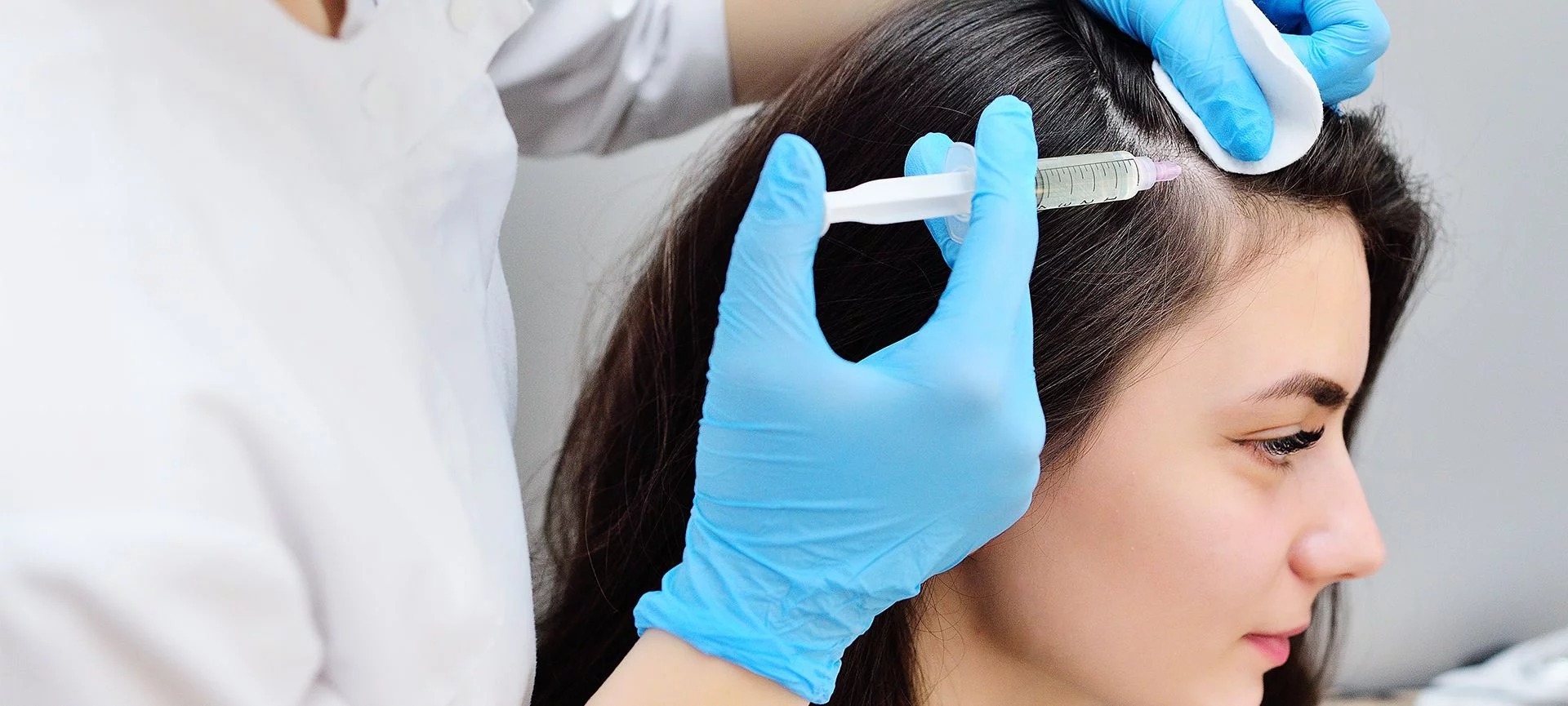
Hair loss in women can be influenced by genetics, hormonal changes, nutritional factors, medical conditions, stress, traction, or progressive thinning associated with age. Because the underlying cause can differ considerably from one person to another, choosing an appropriate treatment requires more than simply looking at visible hair loss. A detailed assessment of the scalp, donor area, hair density, and pattern of thinning can help determine whether surgical restoration is appropriate.
For women considering Female Hair Transplant in Dubai, the focus should be on personalized hair restoration rather than a one-size-fits-all procedure. Female patients may have different expectations and patterns of hair loss compared with men, particularly when thinning occurs across the crown or along the parting rather than through a clearly defined receding hairline. This makes careful planning especially important.
A suitable hair restoration plan may involve evaluating existing hair follicles, identifying the likely cause of hair loss, and determining whether medical treatment should be considered before transplantation. When transplantation is appropriate, the technique and placement of grafts should be planned to preserve a natural appearance while making efficient use of the available donor hair.
Dubai offers access to modern aesthetic and medical services, but prospective patients should evaluate treatment quality, medical supervision, technology, consultation standards, and long-term follow-up rather than choosing a provider based solely on marketing. Understanding these factors can make the decision more informed and help establish realistic expectations.
Female hair loss does not always follow the same pattern seen in male pattern baldness. Some women experience gradual thinning throughout the scalp, while others notice reduced density around the parting, temples, or crown.
Before considering surgery, the cause of hair loss should be investigated. A consultation may involve reviewing medical history, family history, previous treatments, scalp condition, and the progression of thinning. In certain situations, additional investigations may be recommended to identify contributing factors.
This diagnostic stage is important because transplantation redistributes existing hair follicles; it does not correct every underlying cause of hair loss. Stabilizing ongoing hair loss may therefore be an important part of the overall treatment strategy.
Female hair restoration requires careful attention to hair direction, density, facial proportions, and the existing hairline. Overly aggressive graft placement can potentially compromise the donor area or produce an unnatural appearance.
A personalized plan should consider the number of available follicles, the quality of the donor hair, the areas requiring improvement, and the patient's expectations. The objective is generally to create aesthetically balanced coverage while maintaining a natural transition between transplanted and existing hair.
Patients should also understand that transplanted follicles do not immediately produce visible results. Hair growth develops gradually, and the final outcome may require months to become apparent.
Different transplantation approaches may be considered depending on the patient's anatomy and restoration goals. Follicular Unit Extraction, commonly known as FUE, involves harvesting individual follicular units from a suitable donor area. Direct Hair Implantation may use a specialized implantation approach for placing harvested follicles.
The appropriate method should be selected after professional assessment rather than according to which technique sounds newest or most advanced. Surgical skill, graft handling, extraction planning, implantation design, and postoperative care can all influence the overall experience.
Technology can support treatment precision, but equipment alone should not be treated as a guarantee of better results. The treatment plan and medical expertise remain central considerations.
A comprehensive consultation should give patients an opportunity to ask detailed questions about their diagnosis, candidacy, treatment technique, expected recovery, and long-term management.
Patients can ask how the donor area will be assessed, how many grafts may be appropriate, how the hairline or thinning areas will be designed, and what happens if existing hair continues to thin after transplantation.
It is also useful to discuss postoperative instructions, follow-up appointments, potential complications, and the circumstances under which additional treatment might be considered.
Clear communication before treatment can reduce uncertainty and help patients develop realistic expectations.
Hair transplantation is a surgical procedure, even when performed using minimally invasive techniques. Appropriate infection-control procedures, sterile equipment, qualified medical personnel, and suitable patient monitoring are therefore important.
Patients should verify that the procedure is being performed in an appropriate medical setting and that the professionals involved have relevant qualifications and experience.
A responsible consultation should also cover potential risks and limitations instead of presenting transplantation as completely risk-free. Temporary swelling, discomfort, scabbing, changes in sensation, follicle damage, infection, or unsatisfactory cosmetic results are among the issues that may need to be discussed with a qualified professional.
Modern hair restoration can involve different extraction and implantation systems, microscopic graft handling, digital assessment, and detailed hairline planning. However, patients should look beyond technology labels.
The more important question is whether the selected technique is appropriate for the patient's specific hair characteristics and whether the treatment team can apply it effectively.
Women with long hair, diffuse thinning, or limited donor availability may require particularly thoughtful planning. Preserving existing follicles and minimizing unnecessary trauma can be important considerations when designing a treatment strategy.
Recovery varies according to the procedure and the individual. Patients may experience redness, swelling, sensitivity, or scabbing during the early healing period. Following postoperative instructions carefully can support uncomplicated recovery.
Patients should avoid assuming that newly transplanted hair will immediately look dense. Some transplanted hairs may shed during the early stages before new growth develops. This process can be concerning without proper explanation, so realistic guidance before treatment is valuable.
Long-term care may also involve medical approaches intended to help manage continuing hair loss. A healthcare professional can explain whether such treatment is appropriate based on the patient's circumstances.
One of the most important aspects of hair restoration is understanding what transplantation can realistically achieve. The available donor supply is limited, and the objective is not necessarily to reproduce the density of naturally growing hair across every area of the scalp.
Instead, treatment planning often focuses on improving visual density and creating an aesthetically balanced result. Factors such as hair calibre, colour contrast between the hair and scalp, existing density, and the degree of thinning can influence the final appearance.
Patients should be cautious about claims suggesting guaranteed density, instant results, or identical outcomes for every person.
For anyone researching Female Hair Transplant in Dubai, comparing treatment philosophies can be more useful than simply comparing procedure names. Look for a consultation process that addresses the cause of hair loss, evaluates donor suitability, explains technique selection, and provides realistic information about recovery and expected growth.
It is equally important to consider whether the treatment environment provides appropriate medical oversight and structured follow-up. A good consultation should feel informative rather than pressured, allowing patients to understand both the potential benefits and limitations of treatment.
No. Suitability depends on the cause and pattern of hair loss, donor hair availability, scalp condition, general health, and expectations. Some patients may benefit more from treating the underlying cause before considering transplantation.
Some women with diffuse thinning may be candidates, but careful assessment is essential. If the donor area is also significantly affected, transplantation may provide limited benefit. A specialist can assess follicular density and determine whether surgery is appropriate.
There is no universally best technique. FUE, DHI, and other approaches may be considered depending on the patient's hair characteristics, donor supply, restoration goals, and clinical assessment.
Hair growth is gradual. Early shedding can occur after transplantation, followed by new growth over subsequent months. Visible improvement develops progressively, while the final outcome may take considerably longer to mature.
Patients should assess professional qualifications, relevant experience, medical standards, consultation quality, treatment planning, technology, aftercare, and the transparency of information provided. Before-and-after photographs can be useful for discussion, but they should not be treated as a guarantee of an identical result.
Finding specialized hair care requires women to look beyond the procedure itself. A thorough diagnosis, individualized treatment planning, appropriate technology, qualified medical supervision, and realistic expectations all contribute to a more informed decision. Women considering Female Hair Transplant should take time to understand why their hair is thinning, whether transplantation is appropriate, and what type of restoration strategy best fits their individual circumstances. With careful evaluation and appropriate long-term planning, patients can approach hair restoration with a clearer understanding of the potential benefits, limitations, recovery process, and expected development of their results.