English
 Arabic
 French
 Spanish
 Portuguese
 Deutsch
 Turkish
 Dutch
Dutch
 Italiano
 Russian
 Romaian
 Portuguese (Brazil)
 Greek
Greek
How to Easily Get in Touch with Lobstr Wallet Customer Service?
Gardening |
2025-04-22 11:29:38
 Social Networth OS
 Creator Commerce
 Launch Startup
 Global News
 Creator Award
 Talkfever App
Mostra tutti i risultati
Talkfever App
Mostra tutti i risultati

Passa a Pro
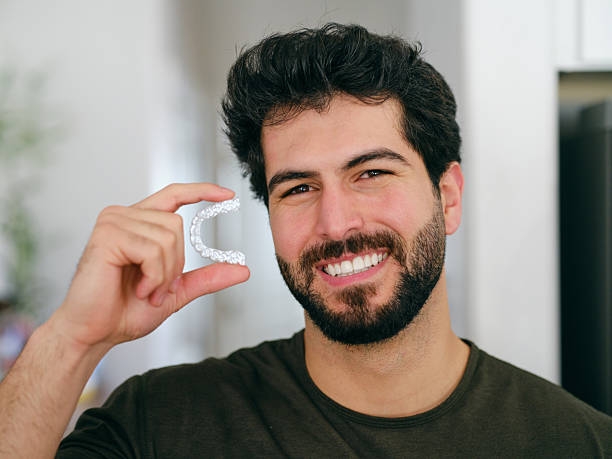
Fixed braces are one of the most established orthodontic treatments for straightening teeth and improving your bite. They use brackets attached to your teeth and a wire placed through the brackets. Your orthodontist adjusts the wire during regular appointments, applying controlled pressure to move your teeth into better positions.
If you have crowded, crooked, spaced, or poorly aligned teeth, fixed braces offer a proven treatment option. Your orthodontist will assess your teeth, gums, jaw and bite before recommending the right approach.
Fixed braces remain attached to your teeth throughout treatment. Unlike removable aligners, you do not take them out when eating or sleeping.
A typical fixed brace system includes:
Brackets bonded to the front of your teeth
An archwire running through the brackets
Small elastic or metal components holding the wire in place
Additional orthodontic components when your bite needs further correction
The wire applies gentle, continuous pressure. Over time, this pressure guides teeth towards their planned positions.
Metal braces remain the most common type, although ceramic brackets offer a less noticeable option for some patients.
Orthodontic treatment deals with more than appearance. Poor tooth alignment often affects cleaning, chewing and your bite.
Your orthodontist might recommend fixed braces if you have:
Crowded teeth
Large gaps between teeth
Crooked teeth
An overbite
An underbite
A crossbite
Teeth positioned incorrectly
Problems with how your upper and lower teeth meet
For complex tooth movements, fixed braces provide orthodontists with precise control.
If you are considering Fixed Braces Manchester, your first step should be a professional orthodontic assessment. Your treatment plan will depend on your dental alignment, age, oral health and bite.
Treatment length varies from person to person. Many fixed brace treatments take around 18 to 24 months, although simpler cases often finish sooner and more complex cases take longer.
Your treatment time depends on factors such as:
The amount of tooth movement required
Your bite problem
Your age
Your oral health
How closely you follow your orthodontist's instructions
Whether you attend scheduled appointments
For example, a patient with mild crowding might need a shorter treatment period than someone with significant crowding and a complex bite problem.
Regular appointments matter. Missing adjustments might delay progress and affect the planned treatment schedule.
Your orthodontist first examines your teeth and bite. They might take photographs, X-rays, scans or dental impressions to plan your treatment.
Once your braces are fitted, you will attend regular appointments. Your orthodontist checks tooth movement and adjusts the brace system as needed.
You might notice pressure or mild soreness after an adjustment. This usually settles within a few days. Soft foods often make eating more comfortable during this period.
Patients researching Fixed Braces Manchester should also ask about treatment duration, appointment frequency, brace options and expected costs before starting.
Good oral hygiene becomes more important when you wear fixed braces. Food particles and plaque often collect around brackets and wires.
Brush your teeth carefully at least twice a day with fluoride toothpaste. Clean around each bracket and along the gumline.
Interdental brushes help clean spaces around brackets and wires. Your dental team might recommend additional cleaning products based on your needs.
You should also:
Floss or use orthodontic flossing aids regularly
Attend routine dental check-ups
Limit sugary food and drinks
Avoid hard or sticky foods
Follow your orthodontist's cleaning instructions
Contact your orthodontic practice if a bracket or wire breaks
Good cleaning reduces the risk of tooth decay, gum problems and permanent marks on your teeth.
You do not need to stop eating a normal balanced diet, but some foods need more care.
Avoid biting directly into hard foods such as whole apples, hard sweets and ice. Sticky foods such as chewing gum and toffee also present problems.
Cut harder foods into smaller pieces before eating. This reduces pressure on brackets and lowers the risk of damage.
If a bracket becomes loose or a wire starts irritating your cheek, contact your orthodontic practice for advice. Do not try to remove or adjust the brace yourself.
Fixed braces do not usually cause severe pain. You might experience pressure, tenderness or mild soreness after fitting or adjustments.
Your orthodontic team will explain how to manage discomfort. Soft foods and careful cleaning often help during the first few days after an adjustment.
If you experience severe pain, significant swelling or another unexpected problem, contact your dentist or orthodontic provider.
Orthodontic treatment is not limited to children and teenagers. Adults also receive fixed braces to correct tooth alignment and bite problems.
If you are considering Fixed Braces Manchester as an adult, your orthodontist will first assess your teeth and gums. Existing dental problems need attention before orthodontic treatment begins.
Ceramic braces might suit adults who want a less noticeable appearance. Your orthodontist will explain whether they are appropriate for your case.
Once your teeth reach their planned positions, your orthodontist removes the fixed braces. Treatment does not end there.
You will normally need retainers to help keep your teeth in their new positions. Teeth naturally shift over time, so wearing retainers according to your orthodontist's instructions is an important part of treatment.
Your orthodontist will explain how often to wear your retainer and how long you need to continue.
Fixed braces remain a reliable option for many orthodontic problems. They offer controlled tooth movement and work well for a wide range of cases.
Before treatment, ask your orthodontist:
What type of brace suits your teeth?
How long is treatment expected to take?
How often will you need appointments?
What foods should you avoid?
How should you clean around the brackets?
What happens if a bracket breaks?
What retainer will you need after treatment?
What is included in the treatment cost?
For anyone comparing Fixed Braces Manchester providers, look for qualified orthodontic professionals, clear treatment plans and proper aftercare support. A detailed assessment gives you a clearer idea of what your treatment involves and what results you should expect.