English
 Arabic
 French
 Spanish
 Portuguese
 Deutsch
 Turkish
 Dutch
Dutch
 Italiano
 Russian
 Romaian
 Portuguese (Brazil)
 Greek
Greek
Electric Vehicle Charging Station Manufacturing Plant Report | Setup Cost, Machinery and Raw Materials
Other |
2025-05-02 09:19:40
 Social Networth OS
 Creator Commerce
 Launch Startup
 Global News
 Creator Award
 Talkfever App
Tout voir
Talkfever App
Tout voir

Mise à niveau vers Pro
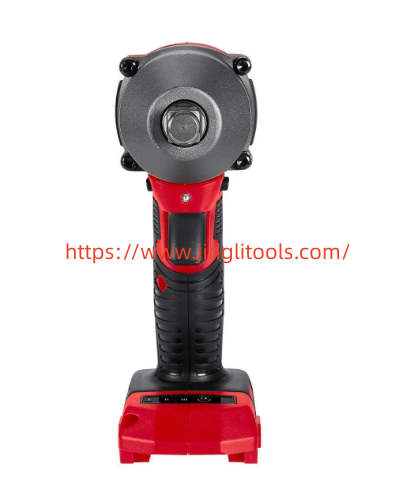
Power Wrenches can sometimes appear to lose torque during demanding fastening applications, but the rated output is only one part of the situation. Battery condition, socket fit, bolt dimensions, thread condition, speed settings, extensions, alignment, and operating technique can all affect the force delivered to a fastener. For workshops, identifying these variables can help determine whether the issue comes from the equipment, accessory, fastener, or working method.
Start With the Battery
Battery condition can influence performance during demanding fastening. A pack with a low charge may behave differently from one with sufficient available energy, especially when working with larger fasteners.
Battery age is another consideration. Rechargeable cells gradually lose usable capacity through repeated use and charging cycles. If one pack provides noticeably shorter operating time than another under similar conditions, comparing the two can help identify whether battery condition is contributing to the change.
Inspect the Socket Carefully
For regular workshop use, keeping track of battery age, charging history, and noticeable changes in operation can make maintenance planning easier.Inspect the Socket Carefully
The socket creates the connection between the equipment and the fastener. If its size does not match the nut or bolt head, force may not transfer as intended.
Worn sockets can also affect engagement. Rounded edges, deformation, cracks, or excessive wear should be checked before demanding applications.
For repeated industrial fastening, use accessories designed for the relevant application. Inspect them regularly and replace components that show damage or significant wear.
A properly fitted socket can help maintain stable contact and reduce unnecessary movement during operation.
Consider Bolt Dimensions
Different fasteners require different torque levels. Diameter, length, grade, thread condition, material, and friction can all influence the force required to achieve the intended connection.
A unit that performs well on smaller fasteners may behave differently when used with larger bolts. This does not necessarily indicate a problem with the equipment.
Before selecting a model, list the fastener sizes commonly used in your workshop. Include the required torque range when this information is available.
This approach allows buyers to compare specifications with actual working requirements instead of relying on one general figure.
Check the Speed Setting
Some models provide several operating settings. These settings can change the relationship between speed and fastening force.
A lower setting may be useful when greater control is required, while a higher setting may be suitable for demanding applications within the manufacturer's specified operating range.
Using the same setting for every fastener may not always be practical. Operators should consider bolt size, material, required torque, and application conditions when selecting the appropriate mode.
If torque seems inconsistent, check the selected setting before assuming there is a mechanical fault.
Keep the Socket Aligned
Alignment can have a noticeable effect on the fastening process. If the socket is held at an angle against the fastener, contact may become less stable.
Whenever the application allows, keep the socket and fastener aligned along the same axis. This helps maintain engagement and can reduce unnecessary movement.
For difficult access areas, consider whether a different socket, drive configuration, or equipment size would make the connection easier to reach.
Avoid using excessive force to compensate for poor positioning.
Examine Extensions and Joints
Extensions and universal joints can be useful when fasteners are located in restricted areas. However, additional components can change how force is transferred to the connection.
Before using an extension, confirm that it is suitable for the intended application and compatible with the equipment.
If a fastening problem occurs only when an extension is installed, compare the result with a direct connection where possible. This can help determine whether the accessory arrangement is contributing to the issue.
Look at Thread and Material Conditions
Fastening resistance is not determined by bolt size alone. Rust, contamination, damaged threads, coatings, lubrication, and material characteristics can change the resistance encountered during installation or removal.
A heavily corroded fastener may require a different approach from a clean new connection.
When unusual resistance occurs, inspect the fastener and surrounding material before increasing force. This can help distinguish between a tool-related issue and a problem with the connection itself.
Avoid Excessive Operator Pressure
Applying excessive pressure does not necessarily produce a better fastening result. Heavy force can make the equipment harder to control and may affect socket engagement.
A controlled grip and stable position are generally more practical. Allow the mechanism to work according to its intended operating method.
If the unit slows noticeably, check the battery, socket, fastener, speed setting, and alignment before increasing pressure.
This simple habit can also make it easier to identify recurring problems.
Separate Fastening From Final Verification
For applications with specific torque requirements, the displayed or rated output should not automatically be treated as final verification.
Where installation procedures require a specified torque, use an appropriate calibrated measuring device according to the relevant application instructions.
This is particularly important for machinery assembly, structural applications, vehicle maintenance, and other situations where fastening specifications form part of the installation process.
A practical workflow can therefore use the equipment for fastening and a suitable measuring method for final verification when required.
Match Equipment With Actual Applications
Choosing equipment according to a maximum specification alone may not provide enough information. Buyers should consider drive size, torque range, fastener dimensions, battery requirements, operating modes, weight, accessories, and expected workload together.
A maintenance workshop may have different requirements from an assembly line or machinery repair facility.
For manufacturers, distributors, and workshop owners, jinglitools provides equipment options that can be evaluated according to different fastening applications. Comparing specifications with actual work conditions can help buyers identify a suitable configuration.
Conclusion
Torque variation during demanding fastening can have several causes. Battery condition, socket wear, bolt dimensions, thread condition, operating settings, alignment, accessories, and working technique should all be considered before deciding that equipment needs replacement.
A structured inspection can help workshops identify the source of the problem and select equipment according to real application requirements. jinglitools provides product information for different fastening needs, allowing buyers to review specifications before making purchasing decisions.
For product information and available options, visit https://www.jinglitools.com/