English
 Arabic
 French
 Spanish
 Portuguese
 Deutsch
 Turkish
 Dutch
Dutch
 Italiano
 Russian
 Romaian
 Portuguese (Brazil)
 Greek
Greek
 Creator, Content & Commerce (3C)
 IMS for Investors
 Global News
 Vdo Junction
 Talkfever App
PTCA Balloons Market Revenue to Increase from US$ 2,851.91 Million to US$ 5,711.65 Million by 2033
Fitness |
2026-06-03 13:06:43
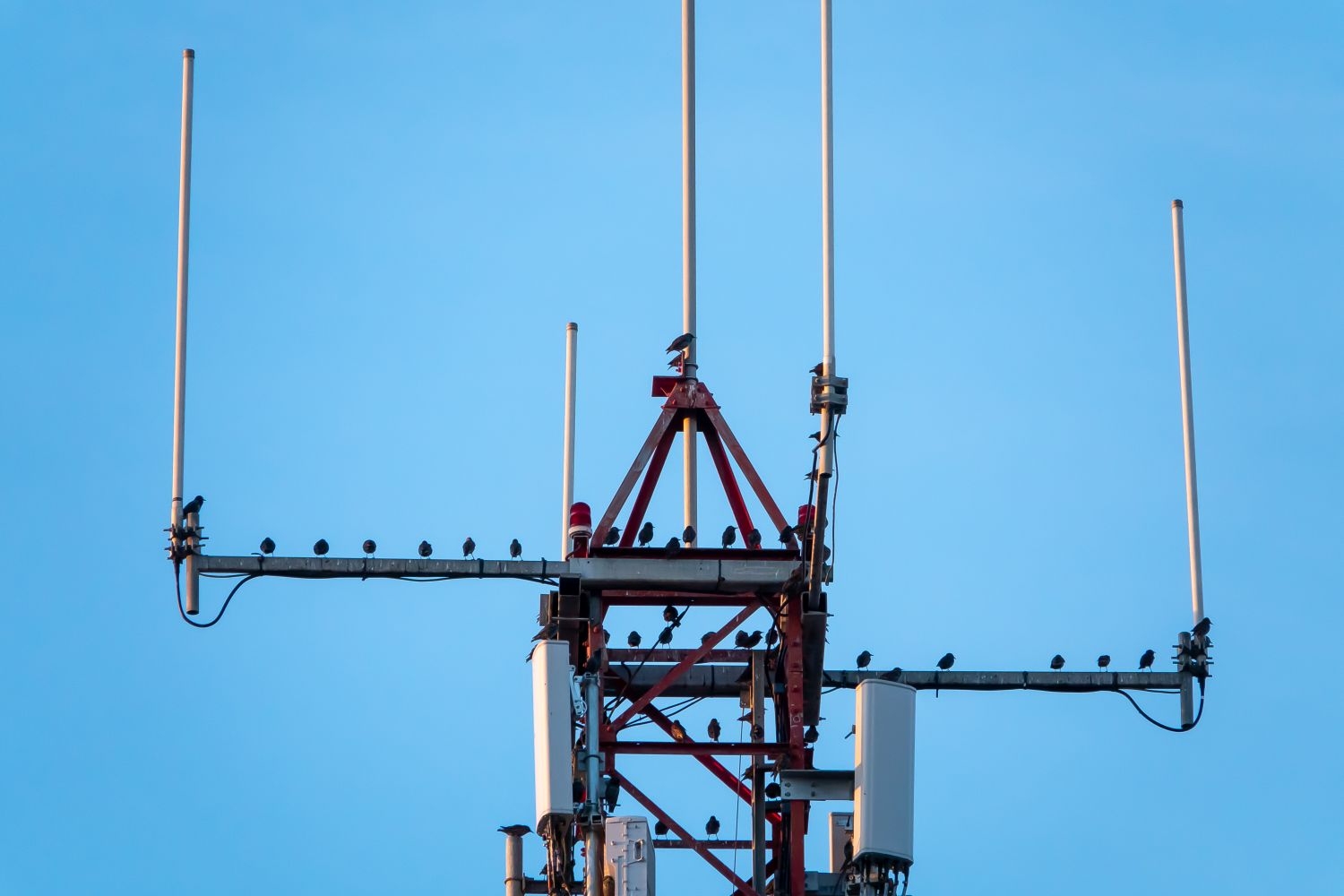
Reliable communication is one of the most important requirements for safe and efficient airport operations. Air traffic controllers, pilots, and ground teams depend on advanced communication equipment to exchange critical information during every stage of aircraft movement. Modern VHF transceivers and transmitters provide the foundation for aviation voice communication, supporting clear and uninterrupted connections between aircraft and airport control facilities. The development and deployment of these systems require careful planning and technical expertise in airport engineering to ensure reliable coverage, operational safety, and compliance with aviation standards.
Airports operate in highly dynamic environments where thousands of communication exchanges occur every day. From aircraft departure instructions to landing clearances and emergency coordination, VHF communication systems help maintain smooth air traffic flow. The performance of these systems directly impacts aviation safety and operational efficiency.
Modern VHF equipment has evolved significantly from traditional analog radio systems. Today’s transceivers and transmitters include advanced digital features, improved signal processing, remote monitoring capabilities, and enhanced reliability. These improvements allow airports to handle increasing aircraft traffic while maintaining high communication standards.
As aviation technology continues to advance, airports are investing in next-generation VHF communication solutions that integrate with digital networks, automated monitoring platforms, and advanced air traffic management systems. Understanding how these systems work and their applications is essential for modern aviation infrastructure planning.
VHF communication systems consist of several components that work together to transmit and receive radio signals.
A VHF transmitter is responsible for converting electrical signals into radio frequency signals and sending them through an antenna system.
A VHF transceiver combines both transmission and receiving functions into a single unit, allowing two-way communication between aircraft and ground stations.
In aviation environments, VHF systems typically operate within the frequency range:
118 MHz to 137 MHz
This frequency band is internationally allocated for civil aviation communication.
Although both devices are part of aviation communication systems, they serve different purposes.
A transmitter is designed specifically to send radio signals.
Its main functions include:
Generating radio frequency signals
Amplifying communication signals
Sending voice messages through antennas
Maintaining stable transmission power
Transmitters are commonly installed in airport communication facilities where continuous broadcasting is required.
A transceiver combines transmission and reception capabilities.
It allows communication systems to:
Send messages
Receive incoming communication
Monitor radio channels
Support two-way conversations
Airport control towers commonly use VHF transceivers because controllers need to communicate directly with aircraft.
The primary application of VHF systems in airports is communication between air traffic controllers and aircraft.
Controllers use VHF communication for:
Departure instructions
Landing clearances
Taxi guidance
Route updates
Emergency communication
Clear communication helps prevent misunderstandings and improves aircraft movement coordination.
VHF communication is not limited to aircraft in flight.
Ground teams also rely on communication systems for:
Aircraft parking coordination
Maintenance operations
Ground vehicle movement
Ramp management
Reliable communication helps improve airport efficiency and reduce operational delays.
Modern aviation VHF transceivers include several advanced features designed to improve communication performance.
Digital signal processing technology improves:
Voice clarity
Noise reduction
Signal stability
This allows communication systems to perform better in environments with multiple electronic systems.
Many modern VHF systems include remote monitoring features.
Operators can track:
Equipment status
Signal performance
System errors
Operational conditions
Remote monitoring reduces downtime and allows faster maintenance responses.
Airport communication systems must operate continuously.
Modern VHF equipment often includes:
Backup power systems
Redundant components
Automatic fault detection
These features ensure communication availability even during equipment failures.
A complete VHF communication setup includes several interconnected components.
Radio units are responsible for processing voice communication signals.
They include:
Transmitters
Receivers
Control interfaces
Signal processors
Antennas transmit and receive VHF radio signals.
The performance of the entire communication system depends on:
Antenna placement
Height
Gain
Radiation pattern
Proper antenna design ensures wide and reliable coverage.
Controllers use communication consoles to manage multiple radio channels.
These systems allow:
Channel selection
Volume control
Emergency communication access
Multiple frequency monitoring
Continuous power availability is essential for airport communication.
Systems typically include:
Primary power sources
Backup generators
Battery systems
Power monitoring equipment
Software-defined radios are transforming aviation communication systems.
Unlike traditional hardware-based radios, software-defined systems allow operators to update and configure communication features through software.
Benefits include:
Easier upgrades
Improved flexibility
Reduced hardware replacement needs
Modern airports manage multiple communication frequencies simultaneously.
Advanced frequency management helps prevent:
Signal interference
Channel conflicts
Communication disruptions
Digital voice technology improves communication quality by reducing:
Background noise
Signal distortion
Audio interference
This is especially valuable in busy airport environments.
Airports must select VHF equipment based on operational requirements.
Important considerations include:
Airport size
Airspace coverage
Aircraft traffic volume
Surrounding terrain
The transmitter power level affects communication range.
Higher power can provide:
Greater coverage
Stronger signals
Improved reliability
However, power levels must be carefully managed to prevent interference.
Modern VHF systems must integrate with existing airport infrastructure.
Compatibility considerations include:
Air traffic control systems
Antenna networks
Digital communication platforms
Monitoring systems
Airports contain many electronic systems that can create interference.
Potential sources include:
Radar systems
Navigation equipment
Wireless networks
Other radio communication systems
Proper frequency planning helps reduce interference risks.
Regular maintenance is required to maintain communication reliability.
Maintenance activities include:
Equipment testing
Signal measurement
Software updates
Hardware inspections
Growing air traffic creates higher communication requirements.
Airports must upgrade systems to support:
More aircraft movements
Increased frequency usage
Advanced operational needs
Although aviation communication is moving toward digital networks and satellite technologies, VHF systems will continue to play an important role.
Future improvements may include:
Artificial intelligence can help analyze system performance and identify potential issues before failures occur.
Future airports will combine VHF communication with:
Automated monitoring platforms
Digital air traffic systems
Data-driven operational management
Modern aviation will increasingly use a combination of:
VHF radio systems
Satellite communication
Data networks
This approach provides greater reliability and flexibility.
Modern VHF transceivers and transmitters remain essential components of airport communication infrastructure. They provide reliable voice communication between aircraft and ground facilities, supporting safe flight operations and efficient air traffic management.
Advancements in digital technology, remote monitoring, and software-defined radio systems have significantly improved VHF communication performance. These innovations allow airports to manage growing aviation demands while maintaining high levels of safety and reliability.
As airports continue to modernize their infrastructure, VHF communication systems will remain a critical technology, working alongside emerging communication solutions to support the future of global aviation.