 English
 Arabic
 French
 Spanish
 Portuguese
 Deutsch
 Turkish
 Dutch
Dutch
 Italiano
 Russian
 Romaian
 Portuguese (Brazil)
 Greek
Greek
 Creator, Content & Commerce (3C)
 IMS for Investors
 Global News
 Vdo Junction
 Talkfever App
Global Secondary Market to Witness Steady Expansion at 3.8% CAGR, Reaching USD 245 Trillion by 2034
Uncategorized |
2026-05-27 09:38:09
Diabetes has become one of the most common lifestyle-related health conditions worldwide, affecting millions of people across all age groups. While medications, regular exercise, and dietary management remain the foundation of diabetes care, many individuals are also exploring natural remedies that may support healthy blood sugar levels. Among these traditional remedies, fenugreek stands out as a simple kitchen ingredient with a long history of medicinal use.
Used for centuries in traditional Indian, Middle Eastern, and Mediterranean medicine, fenugreek is now attracting scientific attention for its potential role in blood sugar management. But can this humble spice truly help people with diabetes? Let's explore the science behind fenugreek and its possible benefits.
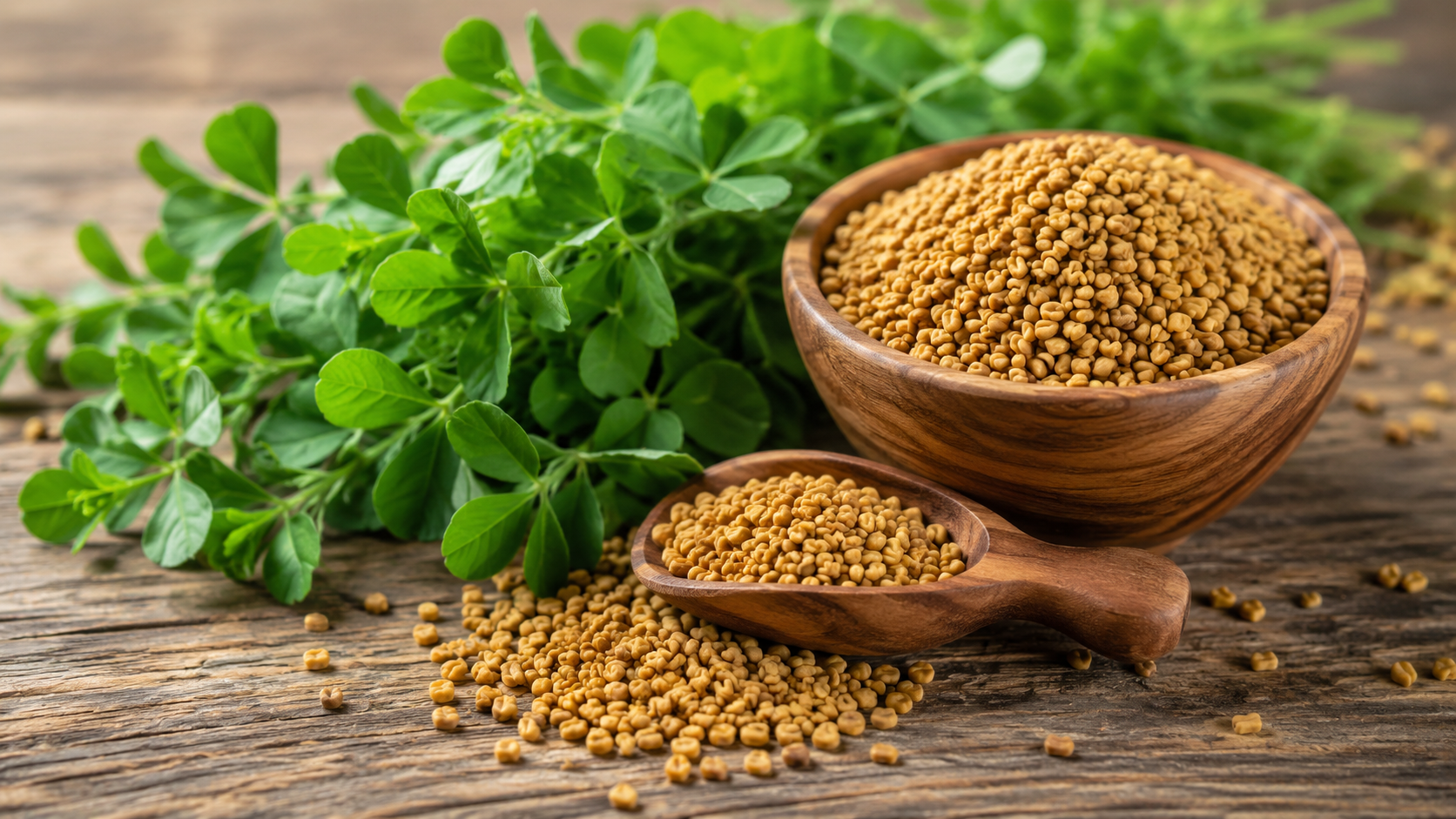
Fenugreek (Trigonella foenum-graecum) is a herb whose seeds are commonly used as a spice in cooking. The small golden-brown seeds have a slightly bitter taste and are rich in nutrients, including fiber, protein, iron, magnesium, and various plant compounds.
What makes fenugreek particularly interesting for diabetes management is its high content of soluble fiber and bioactive compounds that may influence how the body processes glucose.
One of the most significant ways fenugreek may support blood sugar control is through its soluble fiber content. When consumed, this fiber forms a gel-like substance in the digestive tract, slowing the absorption of carbohydrates and sugars.
As a result, blood glucose levels may rise more gradually after meals, reducing sudden spikes that are common in people with diabetes.
Research suggests that certain compounds in fenugreek may help improve insulin sensitivity. Insulin is the hormone responsible for moving glucose from the bloodstream into cells for energy.
When the body becomes resistant to insulin, blood sugar levels increase. Improved insulin sensitivity may help the body use insulin more effectively, leading to better glucose regulation.
Several studies have observed that regular consumption of fenugreek may contribute to lower fasting blood glucose levels. This means blood sugar measured after an overnight fast may be better controlled when fenugreek is incorporated into a balanced diet.
While results vary among individuals, the findings indicate that fenugreek could serve as a useful dietary addition for people managing Type 2 diabetes.
Postprandial glucose spikes—blood sugar increases that occur after eating—are a major challenge for many diabetic patients. Fenugreek's fiber and plant compounds may help moderate these fluctuations by slowing digestion and glucose absorption.
Maintaining stable blood sugar levels throughout the day is essential for reducing the risk of long-term complications associated with diabetes.
Fenugreek seeds contain several nutrients that contribute to overall metabolic health:
One particularly notable compound is 4-hydroxyisoleucine, an amino acid that has been studied for its potential role in supporting insulin secretion and glucose metabolism.
A growing body of research has explored the relationship between fenugreek and diabetes management.
Clinical studies have reported improvements in fasting blood glucose, post-meal glucose levels, and overall glycemic control among individuals who regularly consumed fenugreek seeds or fenugreek powder.
Researchers believe these benefits are primarily linked to:
However, it is important to understand that fenugreek is not a cure for diabetes. Most experts view it as a complementary dietary strategy that may support conventional diabetes treatment when combined with healthy lifestyle habits.
Adding fenugreek to your daily routine is relatively simple. Some common methods include:
Many people soak one to two teaspoons of fenugreek seeds overnight and consume them the following morning. Soaking softens the seeds and may make them easier to digest.
Ground fenugreek seed powder can be added to:
Fenugreek seeds can be steeped in hot water to prepare a herbal tea. This is a convenient option for those who dislike chewing the seeds.
Known as "methi leaves," fresh fenugreek greens are widely used in Indian cuisine and can be incorporated into vegetables, salads, and flatbreads.
Although fenugreek is generally considered safe when consumed in moderate dietary amounts, there are a few precautions to keep in mind.
Individuals already taking diabetes medications should exercise caution. Combining fenugreek with blood sugar-lowering medications may increase the risk of hypoglycemia (low blood sugar).
Some people may experience:
These symptoms often improve as the body adjusts.
Although uncommon, allergic reactions can occur, particularly in individuals who are sensitive to legumes such as peanuts or chickpeas.
Anyone considering fenugreek supplements or therapeutic doses should consult a healthcare professional, especially if they have diabetes, are pregnant, or take prescription medications.
While fenugreek may offer supportive benefits, no single food can replace a comprehensive diabetes management plan.
For optimal blood sugar control, experts continue to recommend:
Fenugreek works best as part of a broader healthy lifestyle rather than as a standalone solution.
Fenugreek is far more than a traditional kitchen spice. Thanks to its high soluble fiber content and unique bioactive compounds, it shows promising potential as a natural aid for blood sugar management. Research suggests that it may help slow glucose absorption, improve insulin sensitivity, and reduce blood sugar spikes after meals.
However, fenugreek should not be viewed as a replacement for medical treatment. Instead, it can serve as a valuable addition to a diabetes-friendly diet when used responsibly and under appropriate medical guidance.
For individuals seeking natural ways to support healthy glucose levels, this humble kitchen ingredient may be a small but meaningful step toward better metabolic health.
No. Fenugreek cannot cure diabetes. It may help support blood sugar management, but it should be used alongside medical treatment and healthy lifestyle practices.
The appropriate amount varies depending on individual health conditions. Many studies use fenugreek seed powder or seeds in moderate quantities, but it is best to consult a healthcare professional before making significant dietary changes.
Soaked fenugreek seeds are often preferred because they are softer, easier to digest, and more convenient to consume.
Results vary among individuals. Consistent dietary use combined with healthy habits may contribute to gradual improvements in blood sugar management over time.
Some individuals with Type 1 diabetes may include fenugreek in their diet, but they should consult their healthcare provider first because blood sugar responses can vary.
Possible side effects include bloating, gas, mild digestive discomfort, and, in some cases, low blood sugar when combined with diabetes medications.
No. Fenugreek should never replace prescribed medications unless specifically advised by a qualified healthcare professional.


