English
 Arabic
 French
 Spanish
 Portuguese
 Deutsch
 Turkish
 Dutch
Dutch
 Italiano
 Russian
 Romaian
 Portuguese (Brazil)
 Greek
Greek
 Creator, Content & Commerce (3C)
 IMS for Investors
 Global News
 Vdo Junction
 Talkfever App
Evolution Baccarat: Rules and Odds – Let’s Discuss
Religion |
2026-03-14 11:22:52
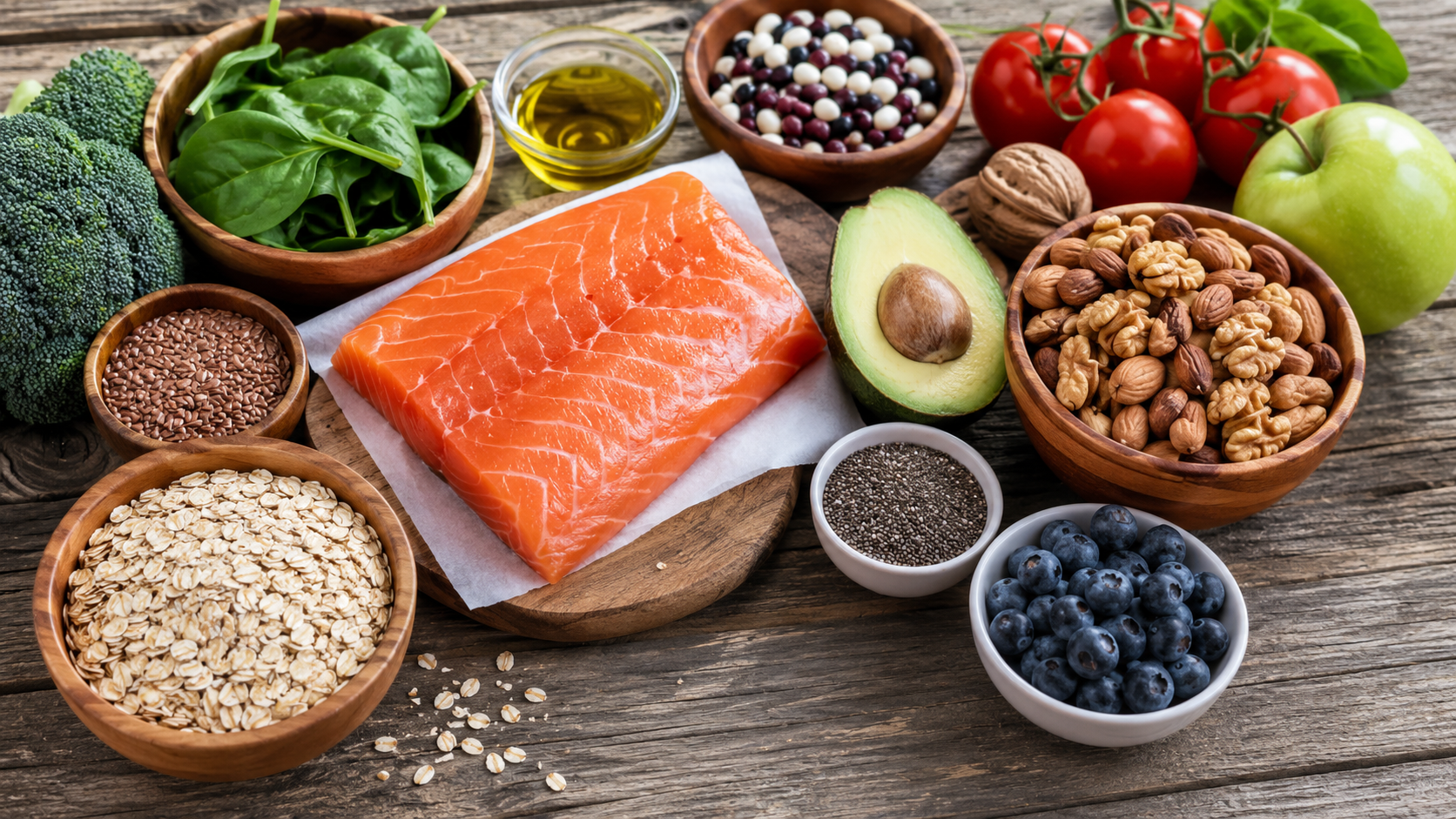
High cholesterol has become one of the most common health concerns worldwide. Increased levels of LDL (low-density lipoprotein), commonly known as “bad cholesterol,” can raise the risk of heart disease, stroke, and high blood pressure. While medications may help in severe cases, making smart dietary choices is one of the most effective natural ways to control cholesterol levels and improve heart health.
A balanced diet rich in fiber, healthy fats, and antioxidants can significantly lower LDL cholesterol while increasing HDL (good cholesterol). Here are the top five heart-healthy foods that can naturally help reduce bad cholesterol and support a healthier lifestyle.
Oats are among the best foods for lowering bad cholesterol naturally. They are rich in soluble fiber, particularly beta-glucan, which helps reduce LDL cholesterol by preventing its absorption into the bloodstream.
Whole grains such as barley, brown rice, and whole wheat also contribute to better heart health by improving digestion and maintaining healthy blood sugar levels.
Start your day with oatmeal, overnight oats, or whole-grain cereal. Replacing refined flour products with whole grains can also make a major difference in long-term heart health.
Fatty fish such as salmon, sardines, tuna, and mackerel are packed with omega-3 fatty acids, which are known to reduce triglycerides and improve heart function.
Omega-3 fats help decrease inflammation and lower the risk of cardiovascular disease. Unlike unhealthy saturated fats found in processed foods, the healthy fats in fish support better cholesterol balance.
Experts recommend eating fatty fish at least two times per week. Grilled, baked, or steamed fish is healthier than deep-fried options.
Almonds, walnuts, flaxseeds, and chia seeds are excellent sources of healthy fats, fiber, and plant-based omega-3 fatty acids. Regular consumption of nuts can help lower LDL cholesterol while improving overall cardiovascular health.
Walnuts are especially beneficial because they contain antioxidants and healthy polyunsaturated fats that support artery function.
Snack on a handful of mixed nuts daily or sprinkle flaxseeds and chia seeds over yogurt, smoothies, or salads.
Avocados are nutrient-dense fruits loaded with monounsaturated fats, which are known to improve cholesterol levels naturally. They help reduce LDL cholesterol while increasing HDL cholesterol.
Additionally, avocados contain potassium, fiber, and antioxidants that contribute to overall heart health.
Add avocado slices to sandwiches, salads, smoothies, or toast for a healthy and delicious meal option.
Colorful fruits and vegetables are rich in antioxidants, vitamins, minerals, and dietary fiber that support cardiovascular health. Apples, berries, oranges, spinach, broccoli, and carrots are especially effective in reducing cholesterol naturally.
Many fruits contain pectin, a type of soluble fiber that helps lower LDL cholesterol levels.
Aim for at least 4–5 servings of fruits and vegetables each day. Fresh and seasonal produce is often the healthiest choice.
Along with eating heart-healthy foods, adopting a healthy lifestyle is equally important. Here are a few simple habits that can improve cholesterol levels naturally:
Combining healthy eating with an active lifestyle can significantly improve overall cardiovascular health.
Lowering bad cholesterol naturally does not require extreme diets or complicated treatments. Simple dietary changes can make a significant difference in improving heart health and reducing the risk of serious diseases.
Including oats, fatty fish, nuts, avocados, fruits, and vegetables in your daily meals can help control LDL cholesterol while supporting overall wellness. A healthy lifestyle combined with balanced nutrition is one of the most powerful ways to protect your heart naturally.
Consistency is key. Small daily improvements in your eating habits can lead to long-term health benefits and a stronger heart.
Bad cholesterol refers to LDL (low-density lipoprotein). High LDL levels can cause plaque buildup in arteries, increasing the risk of heart disease and stroke.
Oats, fatty fish, nuts, and fiber-rich fruits are among the most effective foods for lowering LDL cholesterol naturally.
Yes, regular physical activity can increase good cholesterol (HDL) and lower bad cholesterol (LDL), improving overall heart health.
Moderate egg consumption is generally safe for most people. However, individuals with existing cholesterol issues should consult a healthcare professional.
With a healthy diet and lifestyle changes, noticeable improvements may appear within a few weeks to a few months, depending on individual health conditions.
Not always. Mild cholesterol issues can often be managed through diet, exercise, and lifestyle changes. Severe cases may require medical treatment as advised by a doctor.