English
 Arabic
 French
 Spanish
 Portuguese
 Deutsch
 Turkish
 Dutch
Dutch
 Italiano
 Russian
 Romaian
 Portuguese (Brazil)
 Greek
Greek
 Creator, Content & Commerce (3C)
 IMS for Investors
 Global News
 Vdo Junction
 Talkfever App
The Role of Robotics in Accurate Hair Graft Extraction and Placement
Fitness |
2026-06-15 05:33:21
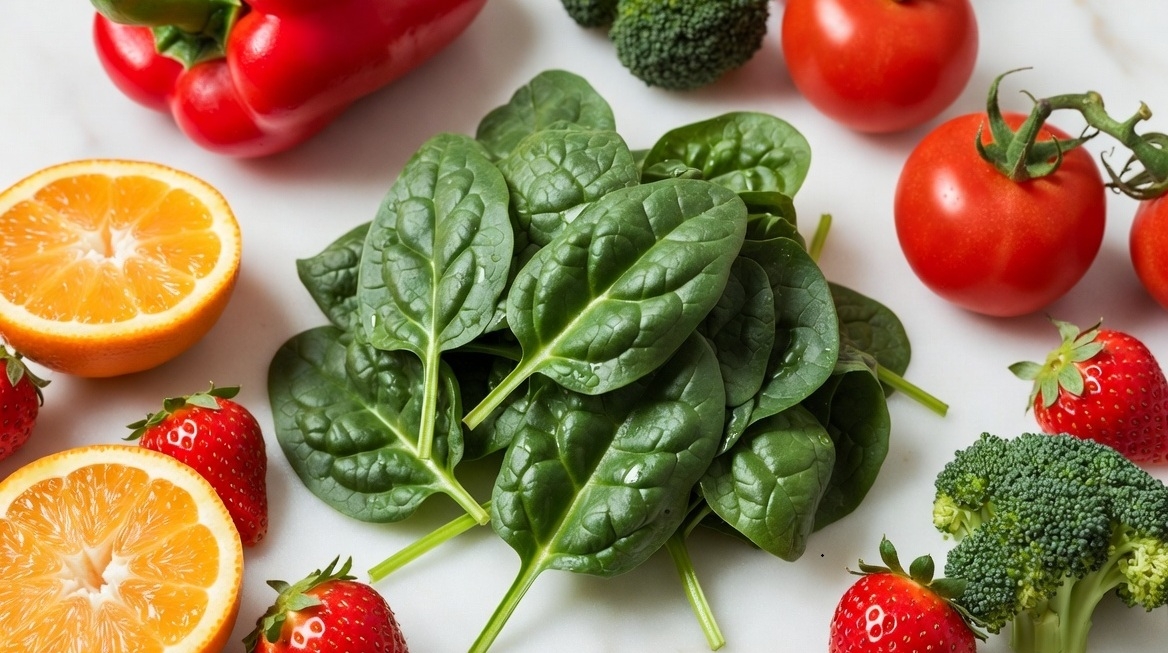
Spinach is a nutritional powerhouse, celebrated for its high content of vitamins, minerals, and antioxidants. However, many people are surprised to learn that the iron in spinach (non-heme iron) is not easily absorbed by the body. Factors like oxalates in spinach can inhibit absorption, often limiting uptake to as little as 2-10%. The good news? Strategic food pairings can dramatically improve iron bioavailability.
By combining spinach with certain foods — particularly those rich in vitamin C — you can enhance non-heme iron absorption by up to 3-6 times. This article explores five highly effective foods to pair with spinach, practical ways to combine them, and essential tips for optimizing your iron intake.
Iron is critical for oxygen transport, energy production, and immune function. Deficiency can lead to fatigue, weakness, anemia, and impaired cognitive function. While spinach provides approximately 2.7 mg of iron per 100 grams (raw), its non-heme form requires assistance for optimal absorption. Vitamin C reduces ferric iron to the more absorbable ferrous form and counters inhibitors like oxalates, polyphenols, and calcium.
Pairing spinach thoughtfully transforms it from a modest iron source into a more effective one.
Citrus fruits top the list for boosting iron absorption thanks to their high vitamin C content. A single orange can provide over 70 mg of vitamin C, significantly enhancing iron uptake.
How to combine:
Pro tip: Even 25-50 mg of vitamin C per meal can double or triple iron absorption.
Red bell peppers are vitamin C dynamos — one medium pepper delivers nearly 190 mg of vitamin C. They also add natural sweetness and crunch that balances spinach’s earthy flavor.
How to combine:
This pairing not only maximizes iron but also boosts overall antioxidant intake.
Tomatoes offer vitamin C along with lycopene, an antioxidant that supports heart health. Cooked tomatoes (sauces, stews) release even more beneficial compounds.
How to combine:
Cooking spinach lightly with tomatoes reduces oxalates while increasing iron availability.
Sweet and nutrient-dense, strawberries provide vitamin C, fiber, and manganese. They make healthy pairings more enjoyable, especially for those who dislike tart flavors.
How to combine:
This combination works beautifully in both sweet and savory recipes.
Broccoli is a double win — it contains vitamin C and is itself a source of non-heme iron and other minerals. Pairing two iron-rich greens amplifies benefits.
How to combine:
For even better results, include a small amount of animal protein (like chicken or fish) in the meal, as the “meat factor” further enhances non-heme iron absorption.
Maximizing iron intake from spinach doesn’t require complicated supplements or drastic dietary changes. By thoughtfully pairing this leafy green with vitamin C powerhouses like citrus fruits, red bell peppers, tomatoes, strawberries, and broccoli, you can significantly improve absorption and support your body’s iron needs naturally.
These combinations not only enhance nutrition but also create delicious, vibrant meals that are easy to incorporate into daily routines. Whether you’re managing iron deficiency, following a plant-based diet, or simply optimizing health, these pairings offer a practical, science-backed solution.
Small, consistent changes — like adding lemon to your spinach or peppers to your sauté — can yield meaningful improvements in energy levels and overall wellbeing. Consult a healthcare professional or registered dietitian for personalized advice, especially if you suspect iron deficiency.
Q1: How much vitamin C do I need to boost iron absorption from spinach? Even 25-75 mg of vitamin C per meal (about half an orange or a few strawberries) can significantly improve absorption. Higher amounts provide diminishing but still positive returns.
Q2: Does cooking spinach destroy its iron content? No. Cooking reduces volume (you eat more) and lowers oxalates, potentially improving iron availability. Light steaming or sautéing is ideal.
Q3: Can I eat spinach every day for iron? Yes, in moderation. Variety is key — combine with other iron sources like lentils, beans, and lean meats. Monitor for oxalate sensitivity if you have kidney issues.
Q4: Are there any foods I should avoid with spinach? Yes. Tea, coffee, red wine (tannins), dairy products, and high-phytate foods (like unsoaked grains) can inhibit absorption. Separate them from iron-rich meals.
Q5: Who benefits most from these pairings? Vegetarians, vegans, women of childbearing age, athletes, and individuals with low iron levels benefit greatly. Pregnant women and those with diagnosed anemia should seek medical guidance.
Q6: Is spinach still worth eating if iron absorption is low? Absolutely. Spinach provides exceptional benefits beyond iron, including folate, vitamin K, magnesium, and antioxidants that support bone health, vision, and inflammation reduction.