English
 Arabic
 French
 Spanish
 Portuguese
 Deutsch
 Turkish
 Dutch
Dutch
 Italiano
 Russian
 Romaian
 Portuguese (Brazil)
 Greek
Greek
Global Incremental Encoders ICs Market: Insights, Key Companies Including Continental, 2026–2034
Religion |
2026-04-17 11:35:32
 Social Networth OS
 Creator Commerce
 Launch Startup
 Global News
 Creator Award
 Talkfever App
Mostra tutti i risultati
Talkfever App
Mostra tutti i risultati

Passa a Pro
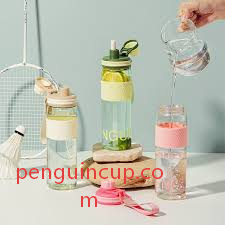
Selecting a proper hydration vessel from the many options available requires attention to material composition and manufacturing standards. Consumers frequently ask: which materials for Reusable Water Bottles are safest for daily use? A company named YuNeng, operating the penguincup platform, provides valuable insight into this question through its manufacturing expertise.
The discussion often begins with plastic containers, which present several concerns for repeated daily use. Many plastic vessels contain chemical compounds that may migrate into liquids, particularly when the container experiences warmth from sunlight or a warm car interior. Polycarbonate plastics, once common, raised significant alarm due to bisphenol A (BPA) content. Although many manufacturers now advertise BPA-free products, alternative compounds such as bisphenol S (BPS) show similar problematic characteristics in scientific studies. Scratches inside a plastic bottle create tiny crevices where bacteria establish colonies resistant to simple rinsing. Even polypropylene, considered a safer plastic, degrades over time with repeated washing and sunlight exposure. A cracked or cloudy plastic bottle signals the end of its functional life.
Glass containers offer a clean alternative without chemical leaching concerns. Borosilicate glass, in particular, resists thermal shock and does not interact with acidic beverages like citrus water or iced tea. The primary drawback involves fragility and weight. A glass bottle dropped onto a tile floor shatters instantly, creating a dangerous cleanup situation and wasting the liquid inside. Silicone sleeves provide some protection, yet the risk remains present during outdoor activities or gym use. For a desk worker or home use, glass performs admirably, but an active lifestyle demands tougher solutions.
Aluminum bottles, often lined with an internal coating, present hidden problems. The raw aluminum material can react with acidic drinks, potentially releasing metal ions into the water. Manufacturers therefore apply an epoxy lining to separate the liquid from the metal wall. This lining itself may contain bisphenol compounds or other proprietary chemicals not disclosed to the public. Once the lining develops scratches or begins peeling, the bottle essentially becomes unusable for safe hydration.
This situation directs attention toward stainless steel as a superior daily choice. Food-grade 304 and 316 stainless steel alloys create an inert surface that does not react with water, coffee, tea, or fruit-infused beverages. Steel vessels withstand drops onto concrete floors without cracking or compromising their integrity. A steel bottle retrieved from a car after a summer day contains warm water, not melted plastic residue or degraded lining particles. The smooth interior surface resists bacterial biofilm formation far longer than plastic's scratched surface. Proper washing with soap and hot water restores a steel bottle to a truly clean state, cycle after cycle.
YuNeng, a manufacturer established in 1999, dedicates its factory operations to vacuum-dried stainless steel production. With thirty engineers and over four hundred skilled workers on a thirty-thousand-square-meter campus, the company produces approximately 1.5 million vacuum flasks monthly. Their equipment roster includes tube drawing machines, tailless vacuum sealers, laser welders, and salt spray testing chambers. These tools ensure each vessel meets structural standards before leaving the factory floor.
The double-wall vacuum insulation technique represents a significant advancement in daily hydration. Two stainless steel walls are joined with an evacuated space between them, eliminating air molecules that would otherwise conduct heat away from hot liquids or into cold ones. A hot morning coffee stays warm until afternoon hours. Iced water placed into the bottle at breakfast remains cold through a full workday. This performance comes without any electrical components or complex maintenance routines. The user simply fills the bottle, closes the lid, and drinks when desired.
Safety certification matters substantially for any vessel contacting beverages. YuNeng emphasizes three fundamental pillars: quality, life, and health. Their manufacturing process avoids BPA, phthalates, lead, or other industrial contaminants sometimes found in lower-grade imports. Each production batch undergoes inspection for structural integrity and proper vacuum sealing. The company serves markets across China, the United States, Japan, South Korea, India, Russia, and the European Union, demonstrating broad acceptance of their standards.
For the consumer evaluating purchasing options, examining the product line at https://www.penguincup.com/product/ reveals specific models suited to various activities. A sports bottle with a flip-top lid serves gym sessions and bicycle commutes. A thermos bottle with a wide mouth handles soup or oatmeal for workplace lunches. A coffee mug with a tapered body fits standard automobile cup holders. Each item shares the same stainless steel foundation and vacuum insulation technology, differing only in lid design and external shape.
Comparing cost against longevity provides useful guidance. A five-dollar plastic bottle from a discount store requires replacement after several months when cloudiness or odors develop. A twenty-dollar stainless steel vessel continues performing after five years of regular use. The total expense over a decade favors the steel option substantially. Furthermore, the steel bottle does not contribute plastic waste to landfills or oceans. A single steel bottle replaces hundreds of disposable plastic bottles and dozens of short-lived plastic reusable bottles.
Cleaning practices remain important regardless of material selection. A stainless steel bottle, like any container, requires daily rinsing and periodic deep cleaning. A long-handled bottle brush reaches the bottom interior surfaces effectively. Mild dish soap and warm water remove residual flavors and prevent bacterial accumulation. Some users add white vinegar or baking soda solutions for occasional odor removal. The bottle should be left open to dry completely between uses, preventing moisture-trapped environments where microbes multiply.
The manufacturing story behind a hydration vessel influences its safety profile substantially. A factory with quality control systems, material testing equipment, and experienced personnel produces consistent results. YuNeng's twenty-six years of continuous operation demonstrate survival through various market conditions and regulatory changes. Their investment in laser welding and optical spectroscopy equipment indicates commitment beyond basic assembly operations. These details matter to the informed buyer seeking a product without hidden compromises.
Examining the question raised at this article's beginning—which materials for reusable water bottles are safest for daily use—leads to a clear direction. Stainless steel combines durability, chemical inertness, thermal performance, and longevity into one package. Plastic fades through degradation and potential chemical migration. Glass fails through fragility and weight penalties. Aluminum depends on questionable interior linings. Steel simply works across all usage scenarios without special handling requirements. The thoughtful consumer, after reviewing these material comparisons, might ask: what material currently holds your daily hydration, and does it truly serve your long-term health?