English
 Arabic
 French
 Spanish
 Portuguese
 Deutsch
 Turkish
 Dutch
Dutch
 Italiano
 Russian
 Romaian
 Portuguese (Brazil)
 Greek
Greek
Prayagraj to Ayodhya Cab | Prayagraj to Ayodhya Taxi
Other |
2026-06-30 11:57:41
 Social Networth OS
 Creator Commerce
 Launch Startup
 Global News
 Creator Award
 Talkfever App
Afiseaza-i pe toti
Talkfever App
Afiseaza-i pe toti

Upgrade to Pro
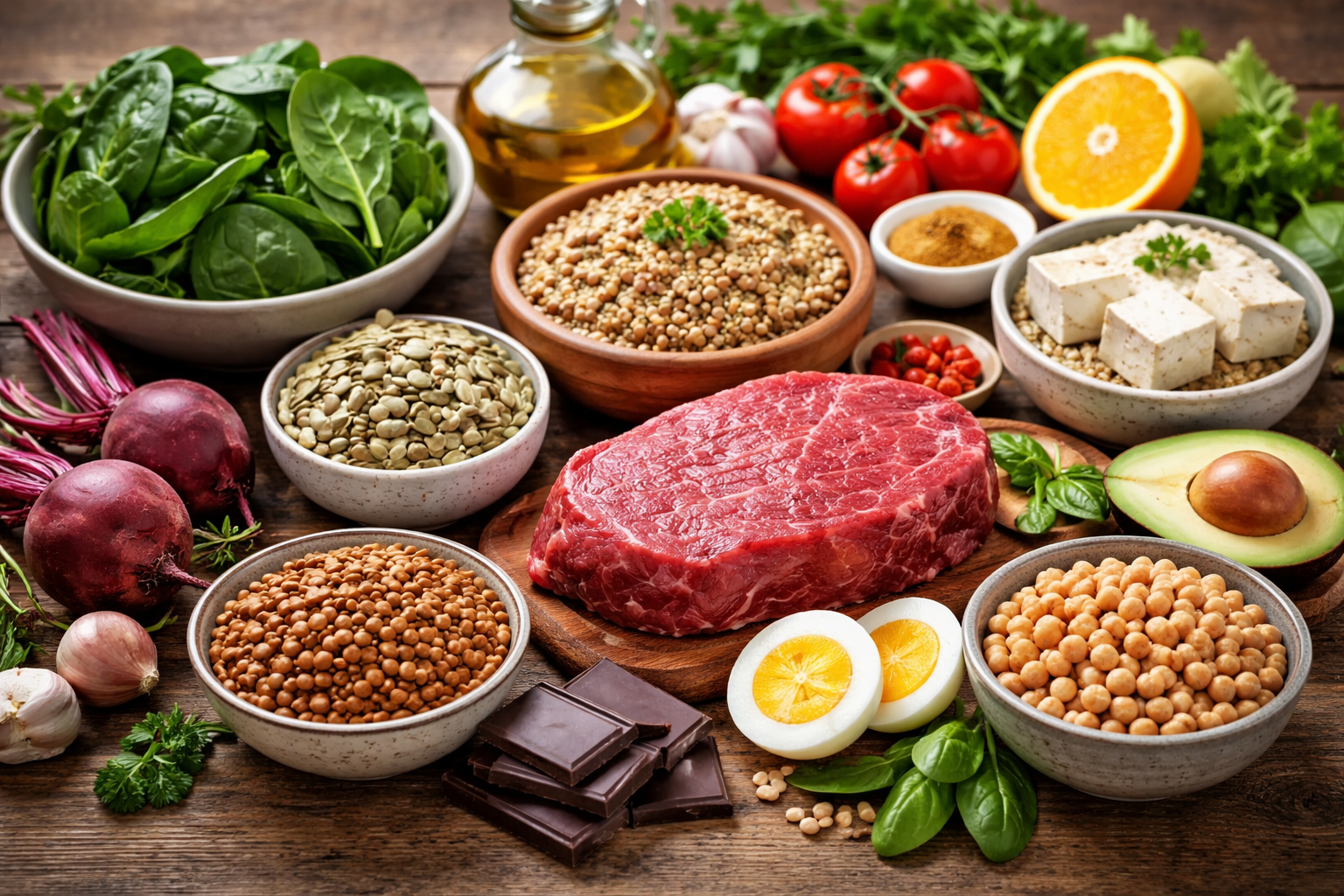
Iron is an essential mineral that plays a critical role in maintaining overall health and vitality. It is a key component of hemoglobin, the protein in red blood cells responsible for transporting oxygen throughout the body. Without sufficient iron, your body may struggle to produce enough healthy red blood cells, leading to fatigue, कमजोरी (weakness), and reduced immunity.
Iron deficiency is one of the most common nutritional issues worldwide, especially among women, children, and vegetarians. Fortunately, the right dietary choices can help you maintain optimal iron levels naturally. In this article, we explore ten nutrient-rich foods that can significantly boost your iron intake and support long-term wellness.
Spinach is one of the most popular iron-rich leafy greens. It contains non-heme iron, which is plant-based and best absorbed when paired with vitamin C-rich foods like lemon or oranges. Besides iron, spinach is loaded with antioxidants, fiber, and essential vitamins like A and K.
Lentils are a staple in many Indian households and an excellent source of iron, especially for vegetarians. They are also rich in protein, fiber, and folate. A single cup of cooked lentils can provide a significant portion of your daily iron requirement.
Red meat, such as beef and lamb, contains heme iron, which is more easily absorbed by the body compared to plant-based iron. It is also a great source of protein, zinc, and vitamin B12. However, moderation is key to maintaining heart health.
Chickpeas are another versatile and iron-rich legume. They can be consumed in various forms like curries, salads, or roasted snacks. They also provide a good amount of plant-based protein and help regulate blood sugar levels.
These small seeds pack a powerful nutritional punch. Pumpkin seeds are rich in iron, magnesium, zinc, and healthy fats. They make a convenient snack or can be added to smoothies, salads, or breakfast bowls.
Tofu is an excellent iron source for those following vegetarian or vegan diets. Made from soybeans, it is also rich in calcium and protein. It easily absorbs flavors, making it a versatile ingredient in various dishes.
Quinoa is a gluten-free grain that stands out for its high nutrient density. It contains more iron than many other grains and is also a complete protein, providing all nine essential amino acids.
Good news for chocolate lovers—dark chocolate is surprisingly high in iron. It also contains antioxidants that support heart health. Choose varieties with at least 70% cocoa for maximum benefits.
Beetroot is often associated with boosting blood health. While it doesn’t contain extremely high levels of iron compared to some other foods, it supports hemoglobin production and improves blood circulation.
Eggs are a convenient and affordable source of iron, particularly in the yolk. They also provide high-quality protein and essential nutrients that support overall health.
Including iron-rich foods is only part of the equation. Here are some practical tips to maximize iron absorption:
Maintaining adequate iron levels is essential for energy, immunity, and overall well-being. Whether you follow a vegetarian or non-vegetarian diet, there are plenty of nutrient-rich foods available to help you meet your daily iron requirements. By incorporating these top 10 iron-rich foods into your meals and following simple dietary strategies, you can naturally boost your iron intake and prevent deficiencies.
Consistency is key. Small, mindful changes in your daily diet can lead to significant improvements in your health over time. Prioritize balanced nutrition, and your body will thank you with increased energy and vitality.
Common symptoms include fatigue, weakness, pale skin, dizziness, shortness of breath, and brittle nails. In severe cases, it may lead to anemia.
The daily requirement varies by age and gender. Adult men typically need around 8 mg per day, while women (especially during menstruation) may require 18 mg or more.
Animal-based (heme) iron is absorbed more efficiently by the body. However, plant-based (non-heme) iron can also meet your needs when consumed with vitamin C-rich foods.
Yes, absolutely. Foods like lentils, spinach, tofu, chickpeas, and seeds provide sufficient iron when consumed in a balanced diet.
Cooking can slightly reduce iron content, but using cast iron cookware may actually increase it.
Supplements should only be taken if prescribed by a healthcare professional. Excess iron can be harmful.
Limit tea, coffee, and calcium-rich foods during iron-rich meals, as they can inhibit absorption.