English
 Arabic
 Hindi
Hindi
 French
 Spanish
 Portuguese
 Deutsch
 Turkish
 Dutch
Dutch
 Italiano
 Russian
 Romaian
 Portuguese (Brazil)
 Greek
Greek
Efficient Ways to Contact MoonPay Customer Support by Phone or Email Detailed User Guide
Uncategorized |
2025-04-15 20:12:42
 Talkfever App
 CGP Award
 Vdo Junction
 Global Talk
 Upcoming
Alle anzeigen
Upcoming
Alle anzeigen

Upgrade auf Pro
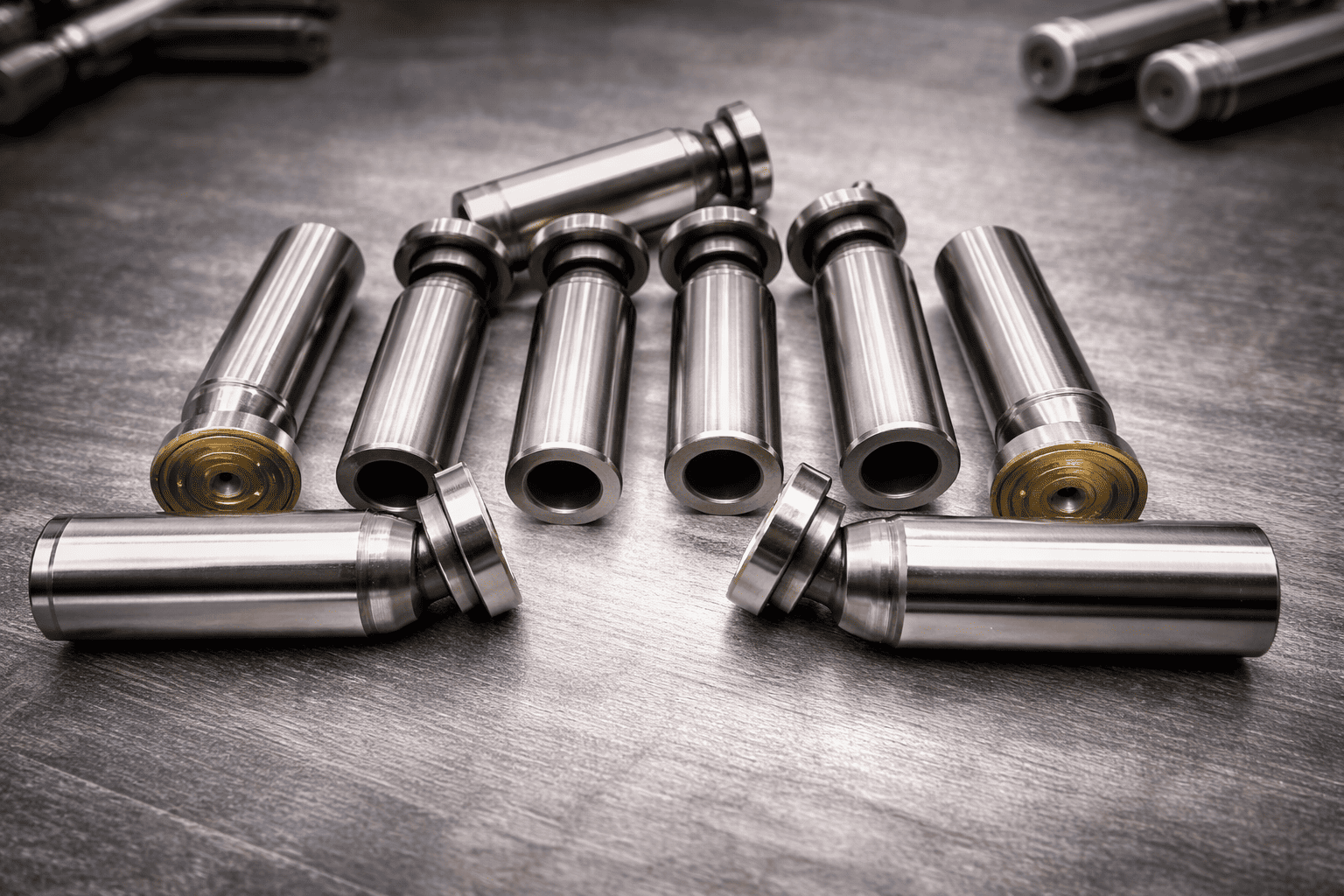
In axial piston hydraulic motors, the cylinder barrel forms the rotating interface that houses the pistons and transmits hydraulic force into mechanical rotation. In the Linde BMV186-02 Motor, the cylinder barrel operates in direct proximity to the valve plate and bearing supports within the rotating group. Thermal expansion of the cylinder barrel influences axial and radial clearance conditions that are essential for stable hydraulic sealing and mechanical alignment.
During operation, mechanical friction, hydraulic compression, and fluid shear generate heat within the rotating group. The cylinder barrel experiences temperature increase, leading to dimensional expansion according to the material’s thermal expansion coefficient.
Key physical mechanisms affecting clearance include:
Axial thermal growth: Heating of the cylinder barrel increases its axial length, affecting contact pressure against the valve plate.
Radial expansion: Diameter increase alters piston bore clearance and can influence piston sliding conditions.
Differential expansion between components: The cylinder barrel, valve plate, shaft, and housing may expand at different rates due to material differences and thermal gradients.
Oil film thickness variation: Elevated temperature reduces lubricant viscosity, modifying the hydrodynamic film between the cylinder barrel and valve plate.
Load-induced deformation: Combined thermal and mechanical loads may distort the barrel face, affecting sealing contact.
Thermal gradient across the rotating group: Uneven heating can create localized expansion zones.
If expansion is not properly compensated by design clearances, two failure modes may occur. Excessive clearance leads to internal leakage between cylinder chambers and ports, while insufficient clearance increases friction and accelerates wear at the valve plate interface.
Thermally induced clearance changes produce identifiable operational symptoms.
Typical indicators include:
Variation in volumetric efficiency during warm-up: Leakage may increase as temperature stabilizes.
Temperature-dependent torque variation: Increased friction at elevated temperature can affect rotational resistance.
Pressure ripple changes: Distortion of sealing conditions alters flow transition stability.
Case drain flow increase: Indication of leakage across the cylinder barrel–valve plate interface.
Surface inspection patterns: Uneven polishing or localized wear on the barrel face.
Thermal monitoring data: Elevated temperature concentration near the rotating group.
It is necessary to distinguish thermally driven clearance changes from wear-related deformation during troubleshooting.
Proper clearance compensation requires both dimensional control and thermal management.
Recommended engineering procedure:
Dimensional inspection: Measure axial and radial clearances of the cylinder barrel relative to the valve plate and housing.
Surface flatness verification: Confirm that the barrel face and valve plate maintain acceptable flatness tolerance.
Material compatibility assessment: Ensure replacement components match the thermal expansion characteristics specified in the design.
Bearing condition evaluation: Verify that bearing wear has not altered axial positioning of the rotating group.
Lubrication verification: Confirm adequate oil supply and appropriate viscosity range for operating temperature.
Component replacement when required: Replace cylinder barrels or valve plates exhibiting distortion or excessive wear.
Assembly preload control: Adjust axial positioning to maintain correct contact pressure.
Operational testing: Monitor temperature distribution, leakage rate, and torque stability after reassembly.
Preventive measures include maintaining fluid cleanliness, monitoring system temperature, and ensuring proper cooling capacity in high-load applications.
Aspect Plus supplies cylinder barrels, valve plates, bearing assemblies, and repair components for axial piston units including the Linde BMV186-02 Motor, supporting proper clearance control and reliable rotating group operation.