Atualize para o Pro

  • This isn’t just dining—it's an immersive culinary experience powered by innovation. From hyper-personalized AI menus to immersive VR tasting journeys, the future of food is multisensory, interactive, and unforgettable.

    What's on the menu?
    Digital Flavor Profiling – Dishes tailored to your unique taste DNA.
    Zero-Waste Gourmet – Sustainability meets sophistication.
    Social Dining 3.0 – Share meals across continents via augmented reality.

    And for creators & restaurateurs? Revenue moves beyond the plate—into digital experiences, subscription tastings, and culinary NFTs.

    The future of food is sensory, smart, and scalable. Are you ready to take a bite?

    #FoodTech #CulinaryInnovation #FutureOfFood #FoodLovers #ExperienceEconomy #2026Trends #RestaurantTech
    This isn’t just dining—it's an immersive culinary experience powered by innovation. From hyper-personalized AI menus to immersive VR tasting journeys, the future of food is multisensory, interactive, and unforgettable. What's on the menu? 🔹 Digital Flavor Profiling – Dishes tailored to your unique taste DNA. 🔹 Zero-Waste Gourmet – Sustainability meets sophistication. 🔹 Social Dining 3.0 – Share meals across continents via augmented reality. And for creators & restaurateurs? Revenue moves beyond the plate—into digital experiences, subscription tastings, and culinary NFTs. The future of food is sensory, smart, and scalable. Are you ready to take a bite? #FoodTech #CulinaryInnovation #FutureOfFood #FoodLovers #ExperienceEconomy #2026Trends #RestaurantTech
    ·2 Visualizações ·0 Anterior
  • Ever wonder what a heart doctor eats?

    Here are 6 foods a cardiologist eats daily to keep cholesterol in check:

    1️⃣ Oats - The ultimate soluble fiber breakfast to trap bad cholesterol.
    2️⃣ Walnuts - A handful of these healthy fats supports heart function.
    3️⃣ Avocado - Rich in monounsaturated fats to improve your lipid profile.
    4️⃣ Berries - Packed with antioxidants that help reduce artery inflammation.
    5️⃣ Fatty Fish (Salmon) - Omega-3s are natural cholesterol regulators.
    6️⃣ Beans & Lentils - Plant-based protein and fiber that actively lower LDL.

    Small choices, big impact on your heart health.

    #HeartHealth #Cholesterol #Cardiology #HealthyEating #NutritionTips #Wellness
    Ever wonder what a heart doctor eats? Here are 6 foods a cardiologist eats daily to keep cholesterol in check: 1️⃣ Oats - The ultimate soluble fiber breakfast to trap bad cholesterol. 2️⃣ Walnuts - A handful of these healthy fats supports heart function. 3️⃣ Avocado - Rich in monounsaturated fats to improve your lipid profile. 4️⃣ Berries - Packed with antioxidants that help reduce artery inflammation. 5️⃣ Fatty Fish (Salmon) - Omega-3s are natural cholesterol regulators. 6️⃣ Beans & Lentils - Plant-based protein and fiber that actively lower LDL. Small choices, big impact on your heart health. 💙 #HeartHealth #Cholesterol #Cardiology #HealthyEating #NutritionTips #Wellness
    Let’s Feed Your Heart: A Cardiologist’s 6 Daily Foods for Lower Cholesterol

    Forget restrictive diets and overwhelming overhauls. Sometimes, the most powerful medicine comes not from a prescription bottle, but from your grocery list. As a cardiologist, I see daily how simple, consistent food choices can dramatically reshape heart health. The goal isn’t perfection—it’s progression. Today, let’s focus on six delicious, research-backed foods you can incorporate daily to lower your "bad" LDL cholesterol, protect your arteries, and truly feed your heart.

    Why Food is Your First Line of Defense
    Cholesterol management is a two-part mission: reduce LDL (the "lousy" cholesterol that builds plaque) and support HDL (the "helpful" cholesterol that cleans up). While genetics and medication play roles, diet is the foundation. These foods work through powerful mechanisms: soluble fiber traps cholesterol in the gut, healthy fats reduce LDL production, and plant compounds act as antioxidants, reducing the inflammation that hardens arteries.

    The Daily 6: How and Why They Work
    1. Oats & Barley (The Fiber Champions)

    How: Start your day with a bowl of oatmeal or add barley to soups. These grains are rich in beta-glucan, a potent soluble fiber.

    Why & Benefits: Beta-glucan forms a gel in your intestines, binding to cholesterol-rich bile acids and escorting them out of your body. This forces your liver to pull cholesterol from your bloodstream to make new bile, effectively lowering LDL levels.

    2. Fatty Fish (The Omega-3 Powerhouses)

    How: Aim for two 3.5oz servings per week of salmon, mackerel, sardines, or herring. Grill, bake, or steam.

    Why & Benefits: These fish are loaded with omega-3 fatty acids (EPA and DHA). Omega-3s don't directly lower LDL cholesterol, but they are heart protectors: they dramatically lower triglycerides, reduce inflammation, slow arterial plaque growth, and help prevent irregular heartbeats.

    3. Nuts (The Satiety Superstars)

    How: A small handful (about 1.5 oz) of almonds, walnuts, or pistachios daily. Eat as a snack or sprinkle on salads and yogurt.

    Why & Benefits: Nuts are packed with monounsaturated and polyunsaturated fats that directly lower LDL. They also contain plant sterols (which block cholesterol absorption) and fiber. They improve artery function and promote fullness.

    4. Legumes (The Versatile Protein Swap)

    How: Incorporate a serving of beans, lentils, or chickpeas daily. Add to salads, soups, stews, or make a bean-based dip.

    Why & Benefits: An exceptional source of soluble fiber and plant-based protein. Replacing some animal protein with legumes reduces saturated fat intake while flooding your system with cholesterol-lowering fiber and minerals.

    5. Apples & Berries (The Antioxidant Arsenal)

    How: Eat one apple (with the skin on) and a cup of mixed berries (fresh or frozen) daily.

    Why & Benefits: These fruits are dual-threats. They are high in pectin (a type of soluble fiber) and packed with polyphenols and antioxidants like anthocyanins in berries. The fiber lowers cholesterol, while the antioxidants prevent LDL particles from oxidizing—a key step in the formation of dangerous artery plaque.

    6. Olive Oil (The Liquid Gold)

    How: Use 1-2 tablespoons daily as your primary cooking fat. Drizzle on vegetables, use in dressings, or replace butter.

    Why & Benefits: The cornerstone of the Mediterranean diet, extra virgin olive oil (EVOO) is rich in monounsaturated fats and potent antioxidants called polyphenols. It lowers LDL, protects LDL from oxidation, and boosts HDL.

    The Holistic Picture: Advantages & Potential Disadvantages
    Overall Advantages:

    Sustainable & Pleasurable: This is not a diet of deprivation, but of addition and flavor.

    Beyond Cholesterol: These foods collectively lower blood pressure, improve blood vessel function, reduce inflammation, and aid weight management.

    Synergy: The combined effect of these foods is greater than the sum of their parts—a true portfolio diet.

    Conclusion: Your Heart’s Daily Menu
    Heart health is built bite by bite, day by day. You don’t need to eat all six of these foods at every meal, but by making them regular players in your daily diet, you actively construct a powerful defense system for your most vital organ.

    Think of it as consistent, loving maintenance. Feed your heart the fiber it needs to clean, the fats it needs to thrive, and the antioxidants it needs to protect itself. Pair this nutritional strategy with regular movement, stress management, and good sleep, and you have a proven, powerful blueprint for a longer, stronger life.

    Start with one. Add berries to your morning oats, snack on a handful of almonds this afternoon, or choose salmon for dinner. Your heart—and your future self—will thank you for it.

    #HeartHealthy, #CholesterolDiet, #Cardiology, #LowerCholesterol, #HeartHealth, #HealthyEating, #NutritionTips, #EatForYourHeart, #FunctionalFood, #WellnessJourney
    1
    ·28 Visualizações ·0 Anterior
  • What Is the 80/20 Rule in Ayurveda for Natural Healing?

    The 80/20 rule in Ayurveda focuses on achieving natural healing by maintaining balance in daily habits, diet, and lifestyle. Ayurveda believes that 80% of wellness comes from proper routines like healthy food, digestion, and sleep, while 20% depends on treatments and medicines. This holistic approach supports long-term health naturally and sustainably.

    Read here : https://sites.google.com/view/what-is-the-rule-in-ayurveda/
    What Is the 80/20 Rule in Ayurveda for Natural Healing? The 80/20 rule in Ayurveda focuses on achieving natural healing by maintaining balance in daily habits, diet, and lifestyle. Ayurveda believes that 80% of wellness comes from proper routines like healthy food, digestion, and sleep, while 20% depends on treatments and medicines. This holistic approach supports long-term health naturally and sustainably. Read here : https://sites.google.com/view/what-is-the-rule-in-ayurveda/
    SITES.GOOGLE.COM
    Lake Ayurveda
    What Is the 80/20 Rule in Ayurveda for Natural Healing?
    1
    ·282 Visualizações ·0 Anterior
  • Which heart-healthy food is currently in your kitchen?

    Time for a quick kitchen audit! When you look in your pantry or fridge right now, which of these heart heroes are you actually stocked up on? No judgment—just honest insight! This tells us what's convenient and ready for you to use.

    #Oats #nuts #beans #berries #oliveoil #food #kitchen #pantry #fridge #insight #cooking #good #bad #foods
    Which heart-healthy food is currently in your kitchen? Time for a quick kitchen audit! 🧐 When you look in your pantry or fridge right now, which of these heart heroes are you actually stocked up on? No judgment—just honest insight! This tells us what's convenient and ready for you to use. #Oats #nuts #beans #berries #oliveoil #food #kitchen #pantry #fridge #insight #cooking #good #bad #foods
    0
    0
    0
    0
    ·178 Visualizações ·0 Anterior
  • Which of these is a MYTH about cholesterol?

    Let's play a quick game of Heart Health Myth vs. Fact! One of these common beliefs about cholesterol is NOT true. Can you spot it? Vote for the statement you think is the MYTH. I'll reveal the answer and explain why in 24 hours!

    #MYTH #cholesterol #food #fiber #high #poll #good #bad
    Which of these is a MYTH about cholesterol? Let's play a quick game of Heart Health Myth vs. Fact! One of these common beliefs about cholesterol is NOT true. Can you spot it? Vote for the statement you think is the MYTH. I'll reveal the answer and explain why in 24 hours! 💡 #MYTH #cholesterol #food #fiber #high #poll #good #bad
    0
    0
    0
    0
    ·226 Visualizações ·0 Anterior
  • Which of these heart-healthy foods is easiest for you to eat daily?

    We talked about the 6 daily foods that love your heart back! But I’m curious—which one do YOU find easiest to add to your routine? Vote below!

    Knowing your starting point helps build lasting habits. Let me know in the comments if you want a tip on your winning pick!

    #foods #healthy #daily #food #oats #fattyfish #nuts #Beans #Lentils

    Which of these heart-healthy foods is easiest for you to eat daily? We talked about the 6 daily foods that love your heart back! 🫀 But I’m curious—which one do YOU find easiest to add to your routine? Vote below! Knowing your starting point helps build lasting habits. Let me know in the comments if you want a tip on your winning pick! 👇 #foods #healthy #daily #food #oats #fattyfish #nuts #Beans #Lentils
    0
    0
    0
    0
    ·207 Visualizações ·0 Anterior
  • Let’s Feed Your Heart: A Cardiologist’s 6 Daily Foods for Lower Cholesterol

    Forget restrictive diets and overwhelming overhauls. Sometimes, the most powerful medicine comes not from a prescription bottle, but from your grocery list. As a cardiologist, I see daily how simple, consistent food choices can dramatically reshape heart health. The goal isn’t perfection—it’s progression. Today, let’s focus on six delicious, research-backed foods you can incorporate daily to lower your "bad" LDL cholesterol, protect your arteries, and truly feed your heart.

    Why Food is Your First Line of Defense
    Cholesterol management is a two-part mission: reduce LDL (the "lousy" cholesterol that builds plaque) and support HDL (the "helpful" cholesterol that cleans up). While genetics and medication play roles, diet is the foundation. These foods work through powerful mechanisms: soluble fiber traps cholesterol in the gut, healthy fats reduce LDL production, and plant compounds act as antioxidants, reducing the inflammation that hardens arteries.

    The Daily 6: How and Why They Work
    1. Oats & Barley (The Fiber Champions)

    How: Start your day with a bowl of oatmeal or add barley to soups. These grains are rich in beta-glucan, a potent soluble fiber.

    Why & Benefits: Beta-glucan forms a gel in your intestines, binding to cholesterol-rich bile acids and escorting them out of your body. This forces your liver to pull cholesterol from your bloodstream to make new bile, effectively lowering LDL levels.

    2. Fatty Fish (The Omega-3 Powerhouses)

    How: Aim for two 3.5oz servings per week of salmon, mackerel, sardines, or herring. Grill, bake, or steam.

    Why & Benefits: These fish are loaded with omega-3 fatty acids (EPA and DHA). Omega-3s don't directly lower LDL cholesterol, but they are heart protectors: they dramatically lower triglycerides, reduce inflammation, slow arterial plaque growth, and help prevent irregular heartbeats.

    3. Nuts (The Satiety Superstars)

    How: A small handful (about 1.5 oz) of almonds, walnuts, or pistachios daily. Eat as a snack or sprinkle on salads and yogurt.

    Why & Benefits: Nuts are packed with monounsaturated and polyunsaturated fats that directly lower LDL. They also contain plant sterols (which block cholesterol absorption) and fiber. They improve artery function and promote fullness.

    4. Legumes (The Versatile Protein Swap)

    How: Incorporate a serving of beans, lentils, or chickpeas daily. Add to salads, soups, stews, or make a bean-based dip.

    Why & Benefits: An exceptional source of soluble fiber and plant-based protein. Replacing some animal protein with legumes reduces saturated fat intake while flooding your system with cholesterol-lowering fiber and minerals.

    5. Apples & Berries (The Antioxidant Arsenal)

    How: Eat one apple (with the skin on) and a cup of mixed berries (fresh or frozen) daily.

    Why & Benefits: These fruits are dual-threats. They are high in pectin (a type of soluble fiber) and packed with polyphenols and antioxidants like anthocyanins in berries. The fiber lowers cholesterol, while the antioxidants prevent LDL particles from oxidizing—a key step in the formation of dangerous artery plaque.

    6. Olive Oil (The Liquid Gold)

    How: Use 1-2 tablespoons daily as your primary cooking fat. Drizzle on vegetables, use in dressings, or replace butter.

    Why & Benefits: The cornerstone of the Mediterranean diet, extra virgin olive oil (EVOO) is rich in monounsaturated fats and potent antioxidants called polyphenols. It lowers LDL, protects LDL from oxidation, and boosts HDL.

    The Holistic Picture: Advantages & Potential Disadvantages
    Overall Advantages:

    Sustainable & Pleasurable: This is not a diet of deprivation, but of addition and flavor.

    Beyond Cholesterol: These foods collectively lower blood pressure, improve blood vessel function, reduce inflammation, and aid weight management.

    Synergy: The combined effect of these foods is greater than the sum of their parts—a true portfolio diet.

    Conclusion: Your Heart’s Daily Menu
    Heart health is built bite by bite, day by day. You don’t need to eat all six of these foods at every meal, but by making them regular players in your daily diet, you actively construct a powerful defense system for your most vital organ.

    Think of it as consistent, loving maintenance. Feed your heart the fiber it needs to clean, the fats it needs to thrive, and the antioxidants it needs to protect itself. Pair this nutritional strategy with regular movement, stress management, and good sleep, and you have a proven, powerful blueprint for a longer, stronger life.

    Start with one. Add berries to your morning oats, snack on a handful of almonds this afternoon, or choose salmon for dinner. Your heart—and your future self—will thank you for it.

    #HeartHealthy, #CholesterolDiet, #Cardiology, #LowerCholesterol, #HeartHealth, #HealthyEating, #NutritionTips, #EatForYourHeart, #FunctionalFood, #WellnessJourney
    Let’s Feed Your Heart: A Cardiologist’s 6 Daily Foods for Lower Cholesterol Forget restrictive diets and overwhelming overhauls. Sometimes, the most powerful medicine comes not from a prescription bottle, but from your grocery list. As a cardiologist, I see daily how simple, consistent food choices can dramatically reshape heart health. The goal isn’t perfection—it’s progression. Today, let’s focus on six delicious, research-backed foods you can incorporate daily to lower your "bad" LDL cholesterol, protect your arteries, and truly feed your heart. Why Food is Your First Line of Defense Cholesterol management is a two-part mission: reduce LDL (the "lousy" cholesterol that builds plaque) and support HDL (the "helpful" cholesterol that cleans up). While genetics and medication play roles, diet is the foundation. These foods work through powerful mechanisms: soluble fiber traps cholesterol in the gut, healthy fats reduce LDL production, and plant compounds act as antioxidants, reducing the inflammation that hardens arteries. The Daily 6: How and Why They Work 1. Oats & Barley (The Fiber Champions) How: Start your day with a bowl of oatmeal or add barley to soups. These grains are rich in beta-glucan, a potent soluble fiber. Why & Benefits: Beta-glucan forms a gel in your intestines, binding to cholesterol-rich bile acids and escorting them out of your body. This forces your liver to pull cholesterol from your bloodstream to make new bile, effectively lowering LDL levels. 2. Fatty Fish (The Omega-3 Powerhouses) How: Aim for two 3.5oz servings per week of salmon, mackerel, sardines, or herring. Grill, bake, or steam. Why & Benefits: These fish are loaded with omega-3 fatty acids (EPA and DHA). Omega-3s don't directly lower LDL cholesterol, but they are heart protectors: they dramatically lower triglycerides, reduce inflammation, slow arterial plaque growth, and help prevent irregular heartbeats. 3. Nuts (The Satiety Superstars) How: A small handful (about 1.5 oz) of almonds, walnuts, or pistachios daily. Eat as a snack or sprinkle on salads and yogurt. Why & Benefits: Nuts are packed with monounsaturated and polyunsaturated fats that directly lower LDL. They also contain plant sterols (which block cholesterol absorption) and fiber. They improve artery function and promote fullness. 4. Legumes (The Versatile Protein Swap) How: Incorporate a serving of beans, lentils, or chickpeas daily. Add to salads, soups, stews, or make a bean-based dip. Why & Benefits: An exceptional source of soluble fiber and plant-based protein. Replacing some animal protein with legumes reduces saturated fat intake while flooding your system with cholesterol-lowering fiber and minerals. 5. Apples & Berries (The Antioxidant Arsenal) How: Eat one apple (with the skin on) and a cup of mixed berries (fresh or frozen) daily. Why & Benefits: These fruits are dual-threats. They are high in pectin (a type of soluble fiber) and packed with polyphenols and antioxidants like anthocyanins in berries. The fiber lowers cholesterol, while the antioxidants prevent LDL particles from oxidizing—a key step in the formation of dangerous artery plaque. 6. Olive Oil (The Liquid Gold) How: Use 1-2 tablespoons daily as your primary cooking fat. Drizzle on vegetables, use in dressings, or replace butter. Why & Benefits: The cornerstone of the Mediterranean diet, extra virgin olive oil (EVOO) is rich in monounsaturated fats and potent antioxidants called polyphenols. It lowers LDL, protects LDL from oxidation, and boosts HDL. The Holistic Picture: Advantages & Potential Disadvantages Overall Advantages: Sustainable & Pleasurable: This is not a diet of deprivation, but of addition and flavor. Beyond Cholesterol: These foods collectively lower blood pressure, improve blood vessel function, reduce inflammation, and aid weight management. Synergy: The combined effect of these foods is greater than the sum of their parts—a true portfolio diet. Conclusion: Your Heart’s Daily Menu Heart health is built bite by bite, day by day. You don’t need to eat all six of these foods at every meal, but by making them regular players in your daily diet, you actively construct a powerful defense system for your most vital organ. Think of it as consistent, loving maintenance. Feed your heart the fiber it needs to clean, the fats it needs to thrive, and the antioxidants it needs to protect itself. Pair this nutritional strategy with regular movement, stress management, and good sleep, and you have a proven, powerful blueprint for a longer, stronger life. Start with one. Add berries to your morning oats, snack on a handful of almonds this afternoon, or choose salmon for dinner. Your heart—and your future self—will thank you for it. #HeartHealthy, #CholesterolDiet, #Cardiology, #LowerCholesterol, #HeartHealth, #HealthyEating, #NutritionTips, #EatForYourHeart, #FunctionalFood, #WellnessJourney
    1
    ·825 Visualizações ·1 Compartilhamentos ·0 Anterior
  • वात क्या है? (Vata Kya Hai)
    वात दोष वायु + आकाश तत्व से बना होता है।
    ये शरीर की movement power है—जैसे सांस लेना, चलना, बोलना, सोचना।
    जब वात सही होता है
    body light feel करती है।
    digestion ठीक रहता है।
    mind sharp रहता है।
    जब वात बिगड़ता है
    कब्ज, गैस
    joint pain
    नींद कम
    anxiety, overthinking
    skin & hair dry-dry
    वात को शांत करने वाला भोजन (Vata Shamak Food)
    क्या खाएं
    गरम दूध
    घी
    दलिया, खिचड़ी
    पकी हुई सब्ज़ियां
    केला, पपीता
    बादाम (भीगे हुए)
    हल्का गरम पानी
    क्या कम करें
    बहुत ठंडा खाना
    सूखा खाना
    ज्यादा उपवास
    चिप्स, नमकीन
    बासी खाना
    Rule: गरम + चिकना = वात
    पित्त क्या है? (Pitta Kya Hai)
    पित्त दोष अग्नि तत्व से बना होता है।
    ये शरीर का digestive boss है ।
    खाना पचाना, body temperature, दिमाग की clarity—सब पित्त संभालता है।
    जब पित्त सही होता है
    digestion strong
    skin glowing
    mind focused
    जब पित्त बिगड़ता है
    acidity, जलन
    गुस्सा जल्दी
    मुंह में छाले
    ज्यादा पसीना
    skin rashes
    पित्त को शांत करने वाला भोजन (Pitta Shamak Food)
    क्या खाएं
    ठंडा दूध
    नारियल पानी
    दही (दोपहर में)
    खीरा, लौकी
    चावल
    मीठे फल
    सौंफ, धनिया
    क्या कम करें
    मिर्च-मसाला
    तला-भुना
    ज्यादा चाय-कॉफी
    खट्टा
    धूप में ज्यादा रहना
    कफ क्या है? (Kapha / Cough Kya Hai)
    कफ दोष जल + पृथ्वी तत्व से बना होता है।
    ये शरीर को मजबूती, चिकनाहट, immunity aur stability देता है।
    कफ = body ka glue & strength power
    जब कफ संतुलन में होता है
    body strong रहती है
    immunity achchi
    skin soft & glowing
    मन शांत रहता है
    जब कफ बढ़ जाता है (Kapha Imbalance Lakshan)
    सर्दी-जुकाम
    खांसी, बलगम
    छाती भारी लगना
    आलस, सुस्ती
    वजन बढ़ना
    पाचन धी
    कफ में क्या खाना चाहिए? (Kapha Shamak Aahar)
    गरम और हल्का खाना – कफ का दुश्मन
    गरम सूप (सब्ज़ी / मूंग दाल)
    हल्की खिचड़ी
    ताज़ा बना खाना (no fridge food)
    मसाले जो कफ को पिघला दें
    अदरक
    काली मिर्च
    हल्दी
    दालचीनी
    जीरा
    ये digestion तेज करते हैं और बलगम कम करते हैं।
    वात क्या है? (Vata Kya Hai) वात दोष वायु + आकाश तत्व से बना होता है। ये शरीर की movement power है—जैसे सांस लेना, चलना, बोलना, सोचना। ⚡ जब वात सही होता है body light feel करती है। digestion ठीक रहता है। mind sharp रहता है। 🚨 जब वात बिगड़ता है कब्ज, गैस joint pain नींद कम anxiety, overthinking skin & hair dry-dry 🥣 वात को शांत करने वाला भोजन (Vata Shamak Food) ✅ क्या खाएं गरम दूध 🥛 घी दलिया, खिचड़ी पकी हुई सब्ज़ियां केला, पपीता बादाम (भीगे हुए) हल्का गरम पानी ❌ क्या कम करें बहुत ठंडा खाना सूखा खाना ज्यादा उपवास चिप्स, नमकीन बासी खाना ✨ Rule: गरम + चिकना = वात 🔥 पित्त क्या है? (Pitta Kya Hai) पित्त दोष अग्नि तत्व से बना होता है। ये शरीर का digestive boss है । खाना पचाना, body temperature, दिमाग की clarity—सब पित्त संभालता है। ⚡ जब पित्त सही होता है digestion strong skin glowing mind focused 🚨 जब पित्त बिगड़ता है acidity, जलन गुस्सा जल्दी मुंह में छाले ज्यादा पसीना skin rashes 🥗 पित्त को शांत करने वाला भोजन (Pitta Shamak Food) ✅ क्या खाएं ठंडा दूध नारियल पानी 🥥 दही (दोपहर में) खीरा, लौकी चावल मीठे फल सौंफ, धनिया ❌ क्या कम करें मिर्च-मसाला 🌶️ तला-भुना ज्यादा चाय-कॉफी खट्टा धूप में ज्यादा रहना कफ क्या है? (Kapha / Cough Kya Hai) कफ दोष जल + पृथ्वी तत्व से बना होता है। ये शरीर को मजबूती, चिकनाहट, immunity aur stability देता है। कफ = body ka glue & strength power ✨ जब कफ संतुलन में होता है body strong रहती है immunity achchi skin soft & glowing मन शांत रहता है 😌 🚨 जब कफ बढ़ जाता है (Kapha Imbalance Lakshan) सर्दी-जुकाम 🤧 खांसी, बलगम छाती भारी लगना आलस, सुस्ती वजन बढ़ना पाचन धी कफ में क्या खाना चाहिए? (Kapha Shamak Aahar) 🔥 गरम और हल्का खाना – कफ का दुश्मन गरम सूप (सब्ज़ी / मूंग दाल) हल्की खिचड़ी ताज़ा बना खाना (no fridge food) 🌶️ मसाले जो कफ को पिघला दें 😌 अदरक काली मिर्च हल्दी दालचीनी जीरा 👉 ये digestion तेज करते हैं और बलगम कम करते हैं।
    5
    ·317 Visualizações ·0 Anterior
  • Sodium Benzoate
    Buy Online Sodium Benzoate Premium Preservative for Food & Beverage
    Bulk Supply Sodium Benzoate offers premium preservation for beverages, fruit juices, pickles, sauces, and syrups. Protects against yeast, bacteria, and fungi, ensuring freshness and stability throughout shelf life.
    #new, #sell, #shopping, #distributor, #products
    More: https://www.theyoungchemist.com/detail/sodium-benzoate.html
    Sodium Benzoate Buy Online Sodium Benzoate Premium Preservative for Food & Beverage Bulk Supply Sodium Benzoate offers premium preservation for beverages, fruit juices, pickles, sauces, and syrups. Protects against yeast, bacteria, and fungi, ensuring freshness and stability throughout shelf life. #new, #sell, #shopping, #distributor, #products More: https://www.theyoungchemist.com/detail/sodium-benzoate.html
    WWW.THEYOUNGCHEMIST.COM
    Buy Online Sodium Benzoate Premium Preservative for Food & Beverage
    Bulk Supply Sodium Benzoate offers premium preservation for beverages, fruit juices, pickles, sauces, and syrups. Protects against yeast, bacteria, and fungi, ensuring freshness and stability throughout shelf life.
    1
    ·227 Visualizações ·0 Anterior
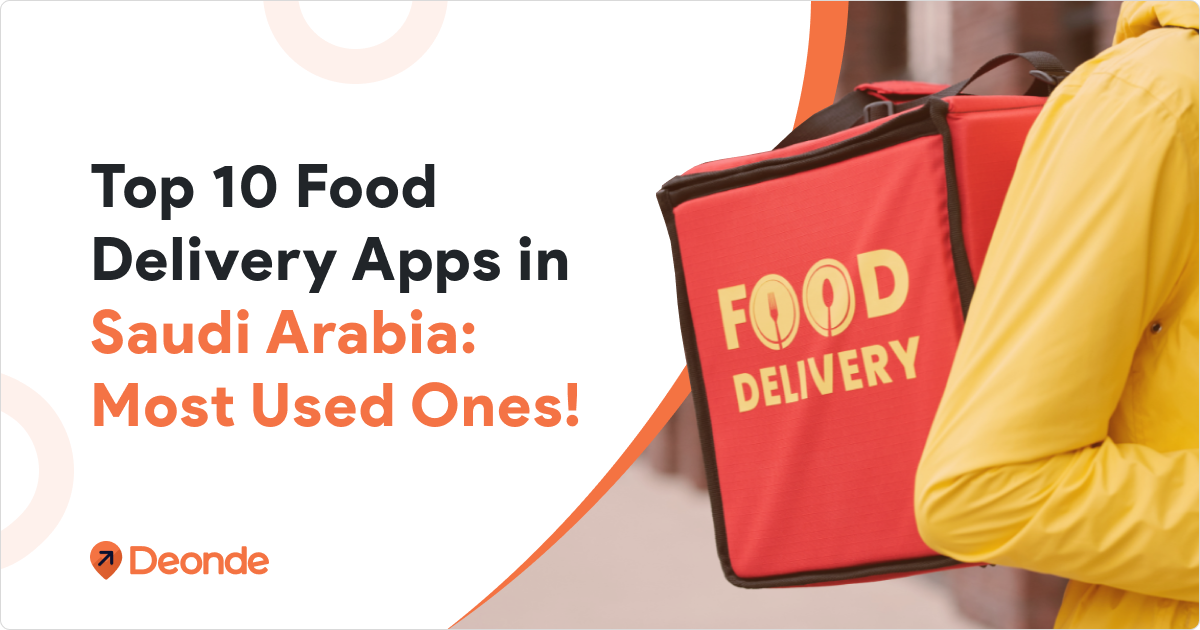
  • Food delivery platforms are eating your profits.
    Every order. Every day.

    Deonde helps you take back control with:
    ✔ Zero commission
    ✔ Your own website & app
    ✔ Full customer ownership

    Built for small restaurant owners
    Ready in days, not months
    Food delivery platforms are eating your profits. Every order. Every day. Deonde helps you take back control with: ✔ Zero commission ✔ Your own website & app ✔ Full customer ownership 💼 Built for small restaurant owners 🎯 Ready in days, not months
    Tipo de ficheiro: pdf
    ·190 Visualizações ·0 Anterior
  • https://www.thereportcubes.com/report-store/premium-snack-foods-market-thailand
    https://www.thereportcubes.com/report-store/premium-snack-foods-market-thailand
    WWW.THEREPORTCUBES.COM
    Thailand Premium Snack Foods Market Growth Outlook 2034
    Thailand premium snack foods market is expected to grow from USD 450 million in 2025 to USD 710.16 million by 2034, expanding at a CAGR of 5.20% globally.
    ·86 Visualizações ·0 Anterior
  • https://www.thereportcubes.com/report-store/probiotic-food-products-market-vietnam
    https://www.thereportcubes.com/report-store/probiotic-food-products-market-vietnam
    WWW.THEREPORTCUBES.COM
    Vietnam Probiotic Food Products Market Growth Outlook 2034
    Vietnam probiotic food products market is projected to grow from USD 150 million in 2025 to USD 432.98 million by 2034, expanding at a CAGR of 12.50% overall.
    ·128 Visualizações ·0 Anterior
Páginas Impulsionadas
Talkfever - Growing worldwide https://talkfever.com