English
 Arabic
 French
 Spanish
 Portuguese
 Deutsch
 Turkish
 Dutch
Dutch
 Italiano
 Russian
 Romaian
 Portuguese (Brazil)
 Greek
Greek
Polyamide Market Competitive Landscape and Forecast to 2033
Religion |
2026-06-04 10:11:40
 Social Networth OS
 Creator Commerce
 Launch Startup
 Global News
 Creator Award
 Talkfever App
Mostra tutti i risultati
Talkfever App
Mostra tutti i risultati

Passa a Pro
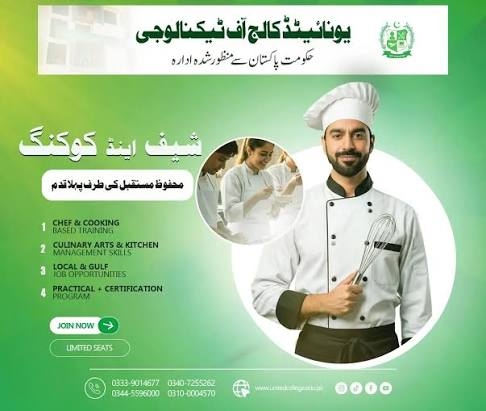
Learning professional cooking starts with understanding the basics. Beginners need to know how to prepare ingredients, use kitchen tools, follow recipes, and keep their work area clean. These simple skills create a strong foundation for more advanced cooking techniques.
A Chef and Cooking Training Program gives beginners a structured way to learn these skills through lessons and practical activities. Instead of only reading about cooking, learners can practice different kitchen tasks and understand how they are used in real food preparation.
Food preparation is one of the first skills beginners need to develop. Before ingredients are cooked, they often need to be washed, peeled, cut, measured, and organized.
Learners can practice these tasks while understanding the importance of accuracy and cleanliness. Good preparation can also make cooking easier and more organized.
Knife handling is an important part of kitchen work. Beginners can learn how to hold and use knives safely while practicing basic cutting techniques.
They may practice:
Chopping vegetables and herbs
Slicing and dicing ingredients
Cutting food into suitable sizes
Regular practice can improve control, accuracy, and confidence.
Beginners can learn that different ingredients require different cooking methods. Understanding these methods helps them prepare food correctly and achieve better results.
Common techniques may include boiling, steaming, frying, grilling, baking, roasting, and sautéing. Practical lessons can help learners understand how heat, timing, and cooking methods affect food.
Professional kitchens contain many tools and appliances. Beginners need to understand how common equipment works and how to use it safely.
Chef and Cooking Education may introduce learners to ovens, mixers, cooking utensils, cutting tools, and other equipment. Hands-on practice helps students become more comfortable with these tools.
Safety is an important part of learning to work in a kitchen. Beginners can learn how to handle knives, hot surfaces, electrical equipment, and cooking appliances carefully.
Developing safe habits early can help reduce accidents and create a more organized working environment.
Food hygiene is essential for anyone who prepares food. Learners need to understand how cleanliness and safe food handling can protect food quality.
Training can cover practices such as washing hands, cleaning surfaces, storing ingredients properly, and keeping raw and cooked foods separate. These habits are useful for anyone planning to develop a Chef and Cooking Career.
Following recipes correctly is another important beginner skill. Learners need to understand measurements, ingredients, cooking instructions, and preparation steps.
With practice, beginners can become better at reading recipes and organizing ingredients before they begin cooking. This can help reduce mistakes and improve consistency.
Kitchen work often requires good time management. Several ingredients or dishes may need to be prepared at the same time.
A Chef and Cooking Training Program can help beginners learn how to organize tasks and manage preparation time. They can practice completing activities in the correct order without ignoring food quality or safety.
Food presentation is also part of professional cooking. A dish can be prepared correctly but still benefit from neat and thoughtful presentation.
Beginners can learn basic plating skills, portion control, and ways to arrange food neatly. These techniques can be useful in restaurants, hotels, catering services, and other food-related workplaces.
Professional kitchens often involve several people working together. Good communication helps kitchen staff understand responsibilities and complete tasks efficiently.
Beginners can develop teamwork skills by working on practical activities with others. They can learn how to follow instructions, communicate clearly, and support the overall kitchen workflow.
Practical experience is one of the most valuable parts of learning. Beginners can repeat cooking tasks, identify mistakes, and improve their techniques through regular practice.
For learners interested in chef and cooking skills in Rawalpindi, hands-on training can help connect classroom knowledge with practical kitchen work.
Mistakes are a normal part of learning how to cook. A dish may be overcooked, ingredients may be measured incorrectly, or preparation may take too long.
Understanding these mistakes can help beginners improve. With guidance and repeated practice, learners can become more accurate and confident.
Beginners also need to understand the standards expected in professional food environments. Cleanliness, organization, food safety, teamwork, and consistency are important parts of kitchen work.
Learning these habits can help students become better prepared for different workplace environments and responsibilities.
A Chef and Cooking Certification can show that a learner has completed structured education in relevant cooking and kitchen skills. However, certification should be supported by practical ability.
Hands-on experience helps learners understand how the knowledge they study can be applied in real kitchen situations. Combining training, practice, and continued learning can provide a stronger foundation for career development.
Cooking skills can be useful in several areas of the food industry. Beginners may become interested in restaurant kitchens, hotels, catering, bakeries, food production, or other food-service roles.
A chef and cooking course in Rawalpindi can help learners understand the basic skills used across these environments. As they gain experience, they can explore the area that best matches their interests and abilities.
Completing training is only the beginning of skill development. Cooking techniques improve with regular practice, feedback, and experience.
Beginners can continue learning by practicing recipes, exploring new cooking methods, improving food presentation, and learning from experienced professionals. Staying open to new ideas can support long-term growth.
Beginners learn many useful skills through structured cooking training. Food preparation, knife handling, cooking methods, equipment use, hygiene, safety, time management, teamwork, and presentation all contribute to practical kitchen knowledge.
For anyone interested in Professional Chef and Cooking, developing these skills step by step can create a strong foundation for future learning and career opportunities. Regular practice and a willingness to improve can help beginners grow from basic learners into more capable kitchen professionals.