Introduction
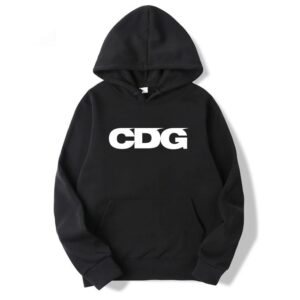
CDG is a short name with a wide meaning. For some people, it brings to mind a recognizable heart logo on a T-shirt. For others, it suggests experimental silhouettes, unusual retail spaces, distinctive fragrances, or the uncompromising creative direction associated with Comme des Garçons. The name can refer to a product, a label, a design attitude, or an entire fashion universe.
What makes CDG compelling is the way it connects ordinary clothing with unusual ideas. A simple sweatshirt can become instantly recognizable through a small emblem. A tailored jacket can challenge expectations through proportion or construction. A fragrance can communicate the brand’s interest in contrast and surprise without using a visible logo at all.
CDG is therefore best understood not as one fixed look, but as a broad approach to fashion built on independence, experimentation, and personal interpretation.
From a Japanese Fashion House to a Global Language
The story of CDG begins with Comme des Garçons, the Japanese fashion company founded by Rei Kawakubo in Tokyo in 1969. The label developed a reputation for questioning the traditional rules of fashion rather than simply refining them. Its collections explored unusual volumes, asymmetry, unconventional construction, and ideas about beauty that did not depend on familiar standards of elegance.
As the company expanded, its world became easier to encounter through different product categories and related lines. This created several entry points for different audiences. A person might discover the brand through a graphic T-shirt, then explore footwear, wallets, fragrance, or more experimental clothing later.
That gradual path is important to CDG’s success. The brand can remain intellectually ambitious while still offering pieces that fit naturally into daily life. Its influence does not depend on every customer wearing the most dramatic design. Sometimes a small object is enough to begin a relationship with the larger creative world.
What Makes CDG Different?
CDG stands out because it combines recognition with uncertainty. Some of its symbols are easy to identify, but the complete meaning of the brand is never reduced to one logo or one silhouette. A familiar graphic may appear on a casual garment, while another part of the company is producing highly conceptual fashion.
This range allows CDG to move between accessibility and experimentation. The clothing may be easy to wear, yet the ideas behind the wider house remain challenging. A basic top can sit comfortably in a wardrobe while still carrying a connection to a more ambitious design philosophy.
The brand also avoids the pressure to repeat one successful formula forever. Its identity is not based on making every collection look identical. Instead, continuity comes from its willingness to think differently, even when the visible result changes.
The Importance of Graphic Design
Graphic design plays a major role in the more accessible side of CDG. The heart-with-eyes emblem associated with the PLAY line is one of the most familiar examples. Its expression is playful, direct, and memorable. Unlike a severe luxury mark, it introduces a sense of humor and approachability. https://commedesgarconss.co.uk/
The graphic works because it creates a strong identity without covering the entire garment in decoration. A small chest emblem can give a plain shirt enough character to stand alone. A larger back print can turn the same basic category into a more visible streetwear piece.
Graphics also make the brand easy to combine with other styles. A logo shirt can be worn with denim, tailoring, workwear, sportswear, or technical clothing. It does not require the wearer to construct an entire outfit from the same label. The symbol can operate as one detail within a much broader personal wardrobe.
CDG and the Idea of Everyday Luxury
Luxury is often associated with ceremony, rarity, and special occasions. CDG helps expand that idea by bringing design value into everyday garments. A T-shirt, hoodie, long sleeve, wallet, or pair of sneakers can become part of a considered wardrobe without losing its practical function.
This form of everyday luxury is not only about price. It is also about attention. The wearer chooses an item because its graphic, material, shape, or association adds something meaningful to daily life. A familiar object becomes more personal because it has a clear design point of view.
CDG demonstrates that an everyday garment can carry cultural significance without becoming formal. Comfort and creativity do not have to be opposites. A casual item can be relaxed enough for ordinary use while still reflecting a serious approach to design.
Clothing That Works Through Contrast
Contrast is one of the most useful ways to style CDG. A graphic shirt can be combined with precise trousers. A casual sweatshirt can sit beneath a structured coat. A playful emblem can appear beside restrained colors and clean accessories.
These combinations prevent the outfit from becoming too predictable. Formal pieces gain energy from casual elements, while relaxed garments gain definition from more structured clothing. The resulting look feels intentional without appearing over-planned.
CDG also works well with contrast in texture. Smooth cotton can be paired with denim, wool, leather, nylon, or technical fabric. Different materials help a simple graphic item feel more layered and substantial.
Building a CDG Wardrobe
Someone beginning to explore CDG does not need to purchase an entire collection. A practical starting point might be a T-shirt, sweatshirt, long-sleeved top, or small accessory. These pieces are relatively easy to combine with clothing already owned.
The next step can involve more distinctive items, such as a printed shirt, unusual jacket, graphic knit, or statement footwear. Outerwear often has a particularly strong effect because it changes the shape of an entire outfit. Accessories can provide a quieter alternative for people who prefer minimal branding.
The most useful approach is to choose pieces according to actual wardrobe habits. A striking item that is never worn provides less value than a simple item that becomes part of a regular rotation. CDG offers enough variety for shoppers to choose their own level of visibility.
Fit and Proportion
Fit influences how CDG clothing communicates. A closer-cut shirt can create a neat, understated appearance and work easily beneath jackets. A relaxed or oversized garment produces a stronger streetwear silhouette and may be better suited to wide-leg trousers or cargo pants.
Proportion should be considered across the entire outfit. Oversized tops often work best with trousers that preserve some visual structure. Wide trousers can balance a shorter jacket or a more fitted shirt. A long outer layer may create a different mood from a cropped one even when the graphic underneath remains unchanged.
Because different CDG lines may use different patterns, measurements are more reliable than size labels alone. Shoulder width, chest measurement, sleeve length, and total garment length can help shoppers make better decisions, particularly when buying online or comparing pieces from different seasons.
CDG in Streetwear Culture
CDG has a natural relationship with streetwear because it understands the power of recognizable symbols and adaptable basics. Streetwear is not defined by one exact uniform. It is a way of combining comfort, cultural references, footwear, graphics, workwear, sportswear, and personal attitude.
A CDG piece can participate in that culture without being limited to it. A heart-emblem shirt may appear with relaxed denim and sneakers, but it can also be styled with a blazer or wool trousers. This movement between settings gives the clothing a longer life.
The brand’s streetwear appeal also comes from its ability to make an outfit feel considered without making it complicated. A familiar silhouette with one distinctive detail can be enough to create a strong visual identity.
Beyond Clothing: Fragrance and Accessories
CDG’s influence extends into categories beyond apparel. Fragrance is an important part of the brand’s world because it allows the house to explore ideas through scent rather than silhouette or graphics. Some fragrances associated with the brand are known for unusual combinations and an interest in challenging conventional expectations.
Accessories offer another way to experience the label. Wallets, bags, footwear, jewelry, and small objects can introduce CDG into an outfit without creating a highly visible designer look. They may be especially useful for someone who prefers subtle references.
These categories demonstrate that the brand’s identity is not dependent on clothing alone. The same creative attitude can appear through material, packaging, color, texture, scent, or form.
Care and Longevity
Regular care helps CDG pieces maintain their shape and appearance. Soft cotton garments should be washed according to their labels, and turning graphic items inside out can reduce friction on printed or embroidered details. Moderate temperatures and low heat are generally helpful for limiting shrinkage and fading.
Structured garments require attention to storage and cleaning instructions. Folding is often suitable for lightweight jersey, while heavier outerwear may benefit from a properly shaped hanger. Shoes and accessories should be stored away from damp conditions and excessive sunlight.
The purpose of care is not to keep clothing untouched. Well-loved garments should show a natural history of wear. Proper maintenance simply prevents avoidable damage and allows the design to remain useful over time.
Authenticity and Smart Shopping
Because CDG is popular, buyers should be careful when purchasing from unfamiliar online sellers or resale platforms. Product descriptions should be clear, photographs should show the actual item, and the seller should be willing to explain condition, measurements, and return terms.
Very low prices, vague listings, poor-quality images, inconsistent labeling, or pressure to complete a sale quickly can be warning signs. When buying an expensive or rare piece, using an established retailer or professional authentication service may provide greater confidence.
It is also important to identify the specific CDG line before comparing prices. Different labels, materials, seasons, and construction methods can make two visually similar products very different in value and purpose.
Why CDG Continues to Matter
CDG remains influential because it has expanded the possibilities of what a fashion brand can be. It can operate as a luxury house, a casualwear label, a retail concept, a fragrance maker, and a platform for collaborations. These parts are connected by a shared willingness to avoid simple classification.
The brand has also changed the way people think about the relationship between fashion and art. A garment can be commercially available without being creatively predictable. A store can sell products while functioning as a cultural environment. A logo can be playful instead of merely signaling status.
Its lasting contribution is not a single trend. It is permission to design with more ambiguity. CDG shows that clothing can be useful and conceptual, familiar and strange, serious and humorous at the same time.
Conclusion
CDG is best understood as a creative language rather than a single product. It brings together graphic casualwear, experimental fashion, accessories, fragrance, retail, and a broader philosophy of questioning convention. Its most recognizable items are easy to wear, but their appeal is connected to a much larger history of independent design.
For the wearer, CDG offers flexibility. A graphic shirt can add personality to a basic outfit. A jacket can change the proportions of familiar clothing. A fragrance or accessory can provide a quieter connection to the brand. Each choice can be styled according to individual taste rather than a fixed uniform.
That combination of recognition, versatility, and creative independence explains why CDG continues to attract attention. It does not ask fashion to provide one permanent answer. Instead, it invites people to use clothing as a way to explore identity, contrast, and the freedom to dress differently.
 English
 Arabic
 French
 Spanish
 Portuguese
 Deutsch
 Turkish
 Dutch
Dutch
 Italiano
 Russian
 Romaian
 Portuguese (Brazil)
 Greek
Greek
 Social Networth OS
 Creator Commerce
 Launch Startup
 Global News
 Creator Award
 Talkfever App
Tout voir
Talkfever App
Tout voir