English
 Arabic
 French
 Spanish
 Portuguese
 Deutsch
 Turkish
 Dutch
Dutch
 Italiano
 Russian
 Romaian
 Portuguese (Brazil)
 Greek
Greek
US Cleanroom Technology Market Trends 2026: Growth, Innovation, and Competitive Landscape
Music |
2026-06-15 07:59:31
 Social Networth OS
 Creator Commerce
 Launch Startup
 Global News
 Creator Award
 Talkfever App
Ver Todos
Talkfever App
Ver Todos

Atualize para o Pro
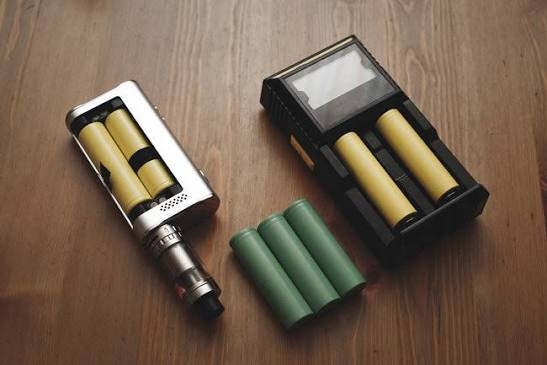
Battery safety is the single most overlooked part of vaping and the one that matters most. The power source behind your device is a lithium-ion cell capable of serious harm if it's mishandled. Most incidents aren't caused by faulty hardware, they're caused by avoidable user error, the wrong battery, damaged wraps, or improper charging and storage habits. Some devices use removable lithium-ion cells commonly 18650, 20700, or 21700 batteries which deliver strong performance and longer runtime between charges, but they need to be handled correctly. This guide breaks the essentials down into six clear rules, whether you're new to vape mod kits or you've been vaping for years.
1.Choose the Right Battery for Your Device
Always check your device's manual to confirm which battery type and specifications it requires. Power level and device design affect what's suitable, so match the battery to both the device and how you plan to use it.
• Buy only from reputable manufacturers and retailers.
• Be wary of batteries with vague specs or performance claims that seem too good to be true.
2.Match Batteries When Using More Than One
If your device takes multiple batteries, use cells that share the same brand, model, age, and charge level. Batteries that are worn or mismatched can discharge at different rates, which creates imbalance and raises the risk of overheating. Buy batteries in matched sets when possible, and keep track of each set's usage so they age together and can be retired at the same time.
3.Inspect Batteries Before Every Use
Get in the habit of checking each battery before inserting it into a device. Look out for:
• Torn, peeling, or damaged battery wrap
• Bulging or swelling
• Rust, discoloration, cracks, or holes near the contacts
• An unusual smell or excessive heat under normal conditions
A damaged wrap can expose the metal casing to other conductive surfaces, creating a real risk of accidental short circuit. If the wrap alone is damaged, only re-wrap it if you know how to do it safely otherwise, replace the battery entirely. GetStudy Guides
4.Charge and Store Batteries the Right Way
Always follow the manufacturer's charging instructions for your specific device or external charger. A charger designed for your battery type will typically offer better monitoring and protection than charging a battery inside the device itself.
• Never leave batteries charging unattended for long periods.
• Disconnect the charger once charging is complete, if recommended.
• Never charge a battery that's already damaged, or use damaged charging equipment.
• Carry spare batteries in a proper battery case — never loose alongside keys, coins, or other metal
objects.
• Avoid storing batteries in hot cars, direct sunlight, or anywhere prone to overheating.
5.Know the Warning Signs and When to Replace a Battery
If a battery becomes very hot, swollen, damaged, or starts leaking, stop using it immediately. If it's safe to do so, move it away from flammable materials and follow local safety guidance. Never continue using a battery you suspect is unsafe, and dispose of damaged batteries through a proper battery recycling program rather than regular household trash. Lithium-ion batteries also naturally decline in performance over time. Shorter battery life, unusual heat during normal use, or an inability to hold a charge are all signs that it's time to replace the cell. There's no single replacement schedule actual lifespan depends on how often the battery is used, charged, and stored.
A note on mechanical devices: unlike regulated devices, mechanical mods have no built-in electronics safety features. If you use one, you are personally responsible for understanding your battery's limits and your build's electrical demands. Batteries
6. Choose Quality Devices and Compatible Equipment
Battery safety starts with the equipment itself. Choose devices with clear specifications and safety information, and check the manufacturer's guidance on which batteries and charging systems are compatible before you buy vape mod kits or other vaping gear. Avoid products with incomplete or confusing safety information.
Frequently Asked Questions
What is one of the biggest battery safety mistakes?
Carrying loose batteries alongside keys, coins, or other metal objects, which can cause a short circuit. Always use an approved battery case for storage and transport.
Can I use any 18650 battery in my device?
No. Always check your device's instructions and use a battery rated for that specific device.
How can I tell if a battery might be unsafe?
Watch for swelling, physical damage, discoloration, unusual odors, damaged wrapping, reduced performance, or excessive heat during use.
Are regulated devices easier to manage safely?
Regulated devices include electronic safety features that can help prevent certain problems, but not all devices and batteries still need to be used according to the manufacturer's instructions.
Final Thoughts
Battery safety comes down to consistency: install the right battery for your device, inspect it regularly, charge and store it properly, and retire it at the first sign of trouble. Whether you're using vape mods you've had for years or picking out something new, handling batteries responsibly is what keeps vaping safe.