English
 Arabic
 French
 Spanish
 Portuguese
 Deutsch
 Turkish
 Dutch
Dutch
 Italiano
 Russian
 Romaian
 Portuguese (Brazil)
 Greek
Greek
https://tidal.com/browse/playlist/2914b759-d4f7-40ec-a174-bed89cf2540f
Other |
2025-01-17 11:51:10
 Social Networth OS
 Creator Commerce
 Launch Startup
 Global News
 Creator Award
 Talkfever App
Смотреть все
Talkfever App
Смотреть все

Обновить до Про
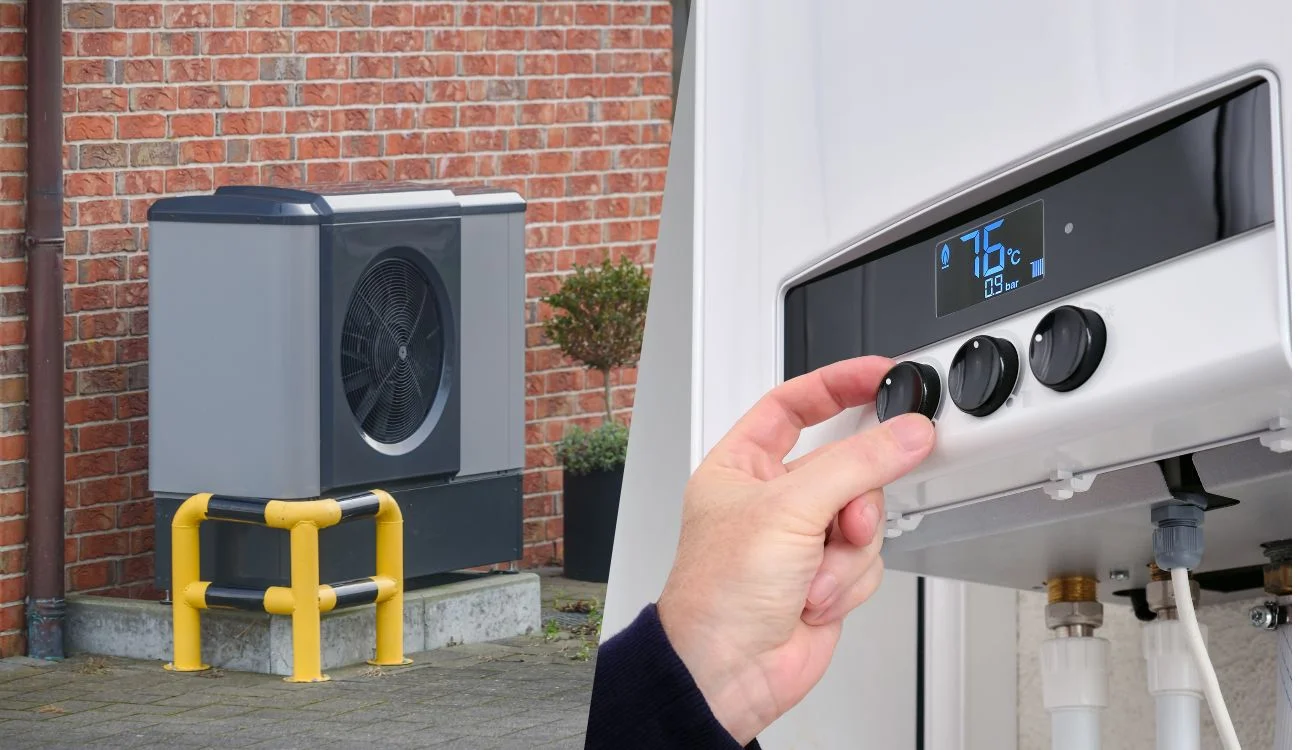
Many UK homeowners are exploring alternatives to traditional gas boilers as energy costs, environmental concerns, and heating technology continue to change. Replacing a gas boiler with a heat pump can reduce reliance on fossil fuels and provide a more efficient way to heat your home, but it is not simply a case of removing one system and installing another.
A successful switch depends on understanding how heat pumps work, whether your property is suitable, and what changes may be needed before installation. The right preparation can help you avoid costly mistakes and make sure your new heating system performs as expected.
A gas boiler creates heat by burning fuel, while a heat pump moves heat from the air or ground into your home. Instead of producing heat directly, it transfers existing warmth and uses electricity to power the process.
For many homeowners, the biggest adjustment is changing how they think about heating. Gas boilers often provide quick bursts of high-temperature heat, while heat pumps usually operate at lower temperatures for longer periods. This means a home needs to retain heat effectively for the system to work efficiently.
A property with good insulation, suitable radiators, and fewer heat losses is more likely to benefit from the change.
Not every property will need major changes, but a professional assessment is essential before replacing a gas boiler.
Installers usually consider:
Older homes can still use heat pumps successfully, but some may require improvements first. For example, upgrading insulation or replacing smaller radiators can help the system maintain comfortable indoor temperatures.
A common mistake is choosing a heat pump based only on available funding. The system should match your property's needs first.
Replacing a gas boiler involves several stages. A qualified installer will normally begin with a home survey to understand your heating requirements.
The process may include:
Unlike a boiler replacement, heat pump installation often requires more planning because the equipment works differently. The installer needs to position the outdoor unit correctly and ensure the system operates efficiently throughout the year.
The cost of replacing a gas boiler with a heat pump varies depending on the property and installation requirements. Factors such as the type of heat pump, system size, electrical upgrades, and additional improvements can affect the final price.
Although the initial investment can be higher than installing another gas boiler, government support may reduce the upfront expense for eligible homeowners.
Homeowners interested in checking available support can Apply for boiler upgrade scheme through an approved installer who can guide them through the eligibility process and application requirements.
It is important to look beyond the installation price alone. Running costs, maintenance, expected lifespan, and energy efficiency should all be considered when comparing heating options.
Yes, a correctly installed heat pump can keep a home comfortable throughout the year. However, it works differently from a gas boiler.
A gas boiler may quickly heat radiators to a high temperature, while a heat pump usually provides steady warmth over a longer period. Many homeowners find that leaving the heating system running for longer at a lower temperature provides better comfort.
The experience also depends on the condition of the property. A poorly insulated home may lose heat faster, making any heating system work harder.
Improving insulation before installation can make a noticeable difference to comfort and energy use.
The move to a heat pump can offer several benefits:
Heat pumps do not burn gas or oil inside your home. This helps reduce the carbon emissions linked to heating.
Heat pumps can produce several units of heat from each unit of electricity used, making them an efficient option when correctly installed.
As the UK moves towards cleaner energy solutions, renewable heating systems are becoming more common. Installing a heat pump may help homeowners adapt to future changes in the energy market.
Modern heat pump systems often work with advanced controls, allowing homeowners to manage heating schedules and temperatures more effectively.
Switching heating systems is a major home improvement decision. Some homeowners focus only on replacing the boiler and overlook other important factors.
Avoid these mistakes:
Taking time to research before installation can prevent frustration later.
Government support can make heat pump installation more affordable for eligible properties. The boiler upgrade scheme grant helps reduce the upfront cost of installing approved low-carbon heating systems, although eligibility rules and funding amounts can change.
Homeowners should confirm the latest requirements before making decisions and discuss options with an approved installer.
Financial assistance is helpful, but the most important factor remains choosing a system that suits your home and lifestyle.
Replacing a gas boiler with a heat pump can be a practical step for homeowners who want a cleaner and more efficient heating system. The decision requires careful planning, because the best results come from matching the technology with the property rather than treating it as a simple boiler replacement.
A professional assessment, realistic expectations, and proper preparation will help you decide whether a heat pump is the right choice for your home. When installed correctly, it can provide reliable heating while helping reduce your home's dependence on traditional fossil fuels.