English
 Arabic
 French
 Spanish
 Portuguese
 Deutsch
 Turkish
 Dutch
Dutch
 Italiano
 Russian
 Romaian
 Portuguese (Brazil)
 Greek
Greek
Why Choose Warriors Defence Academy?
Other |
2025-04-03 10:47:57
 Social Networth OS
 Creator Commerce
 Launch Startup
 Global News
 Creator Award
 Talkfever App
Afiseaza-i pe toti
Talkfever App
Afiseaza-i pe toti

Upgrade to Pro
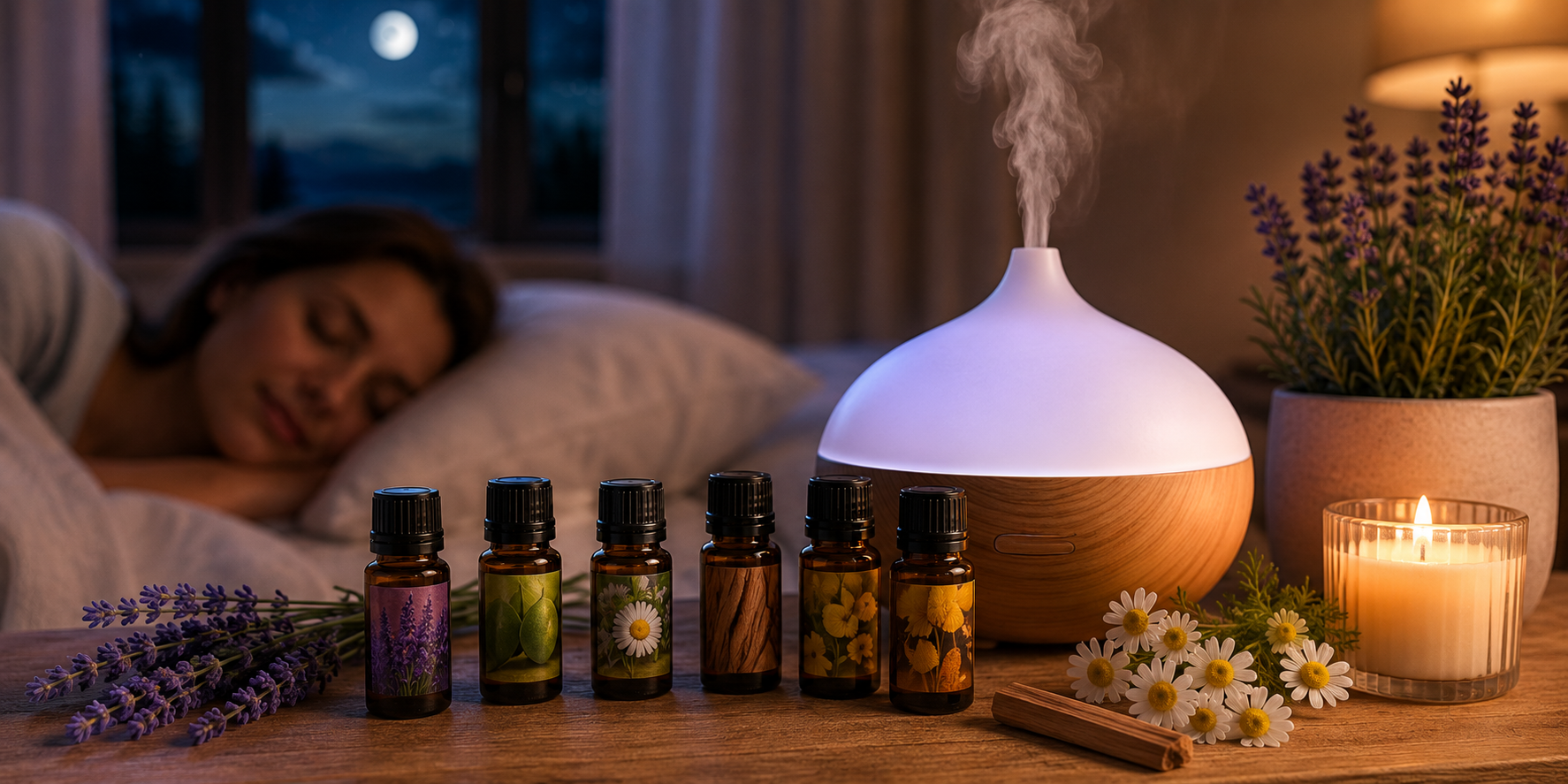
It's two in the morning, and your brain is replaying every conversation from last week. Sound familiar? Many people struggle to quiet their minds at bedtime and turn to simple ways to create a more relaxing routine. Essential oils, particularly lavender, have shown promising results in studies exploring relaxation and sleep quality, although research is still developing. Other oils, including bergamot and chamomile, have also been studied for their potential calming effects.
The key is choosing scents you enjoy and using them safely as part of a consistent nighttime routine. Understanding how aromas interact with brain pathways involved in emotion, stress, and arousal can help explain why aromatherapy may support a calmer transition to sleep.
Smell has unusually direct connections with brain regions involved in emotion, memory, and arousal. When you inhale a calming aroma, odors activate pathways that interact with brain regions involved in emotion, memory, and stress responses. This is part of why a familiar scent can instantly shift how you feel, and why essential oils for sleep have earned so much attention from researchers over the past decade.
Several clinical trials have measured this effect directly. A small EEG study found that lavender aroma altered brainwave activity during sleep, and participants also reported improvements in sleep quality.
A small randomized trial involving postmenopausal women with diagnosed insomnia found improvements in several sleep measures after lavender inhalation alongside sleep-hygiene guidance, although the primary sleep-quality outcome did not differ significantly between groups.
Not every oil on a store shelf is created equal when it comes to rest. For people dealing with ongoing sleeplessness rather than an occasional restless night, if you're looking for the best oils for insomnia, lavender is one of the most studied options, while research has also explored bergamot, chamomile, and other essential oils for relaxation and sleep, especially alongside consistent habits like a fixed bedtime and a dark, cool room.
Below are the individual oils with the strongest research and reputation behind them.
Lavender is the most studied oil in sleep science, and for good reason. Lavender naturally contains compounds like linalool and linalyl acetate that have been studied for their potential calming effects, although the exact mechanisms behind its effects on sleep are still being investigated.
Bergamot brings a bright, citrusy note that many people reach for when anxious thoughts creep in before bed. Since a racing mind is one of the biggest disruptors of good sleep, and because stress and anxious thoughts can interfere with sleep, some people use bergamot as part of a calming pre-bed routine.
Best known as a tea ingredient, chamomile also works well as an inhaled oil. It carries a mild, apple-like sweetness and has traditionally been used to relax the mind after a long, tiring day. Its mild, apple-like aroma makes it a popular choice for people who enjoy gentle scents as part of a nighttime wind-down, especially for those new to using scent as part of a nightly wind-down.
Cedarwood is known for its warm, woody scent that is commonly used in relaxation-focused aromatherapy. However, research specifically examining cedarwood for sleep remains limited, making it a natural companion for any gentle, quiet wind-down ritual.
Sandalwood offers a rich, earthy aroma often used in relaxation practices worldwide. It pairs beautifully with lavender in blended formulas designed specifically for nighttime use, rounding out sharper floral notes with something warmer.
Ylang ylang has a soft, floral sweetness that feels indulgent without being overwhelming. Its floral aroma is commonly used in relaxation practices, although more research is needed to determine whether ylang ylang has meaningful effects on sleep as the evening quietly winds down.
Seeing every oil side by side makes the decision a lot less overwhelming. Use the table below to match a scent to what your evenings actually need.
|
Oil |
Scent profile |
What research suggests |
|
Lavender |
Floral, herbal |
May improve sleep quality |
|
Bergamot |
Citrus, bright |
May support relaxation and some sleep measures |
|
Chamomile |
Sweet, mild |
Preliminary evidence for improved sleep quality |
|
Cedarwood |
Woody, warm |
Traditionally used for relaxation; limited sleep evidence |
|
Sandalwood |
Earthy, rich |
Commonly used in relaxation practices; limited sleep evidence |
|
Ylang ylang |
Floral, soft |
Used in aromatherapy for relaxation; limited sleep evidence |
The best choice ultimately depends on the scent you enjoy and how your body responds to it.
You do not need a complicated ritual to benefit from these oils. A few drops go a long way.
● Add a few drops to a diffuser about thirty minutes before bed
● Dilute one or two drops with a suitable Dilute it with a carrier oil and gently apply it to your wrists or pillow
● Place a drop on a cotton ball and tuck it near your pillow
● Add a few drops to a warm bath before winding down
Each of these methods works as an aromatherapy sleep aid, and the right one usually comes down to personal preference and how strong you like the scent.
Ready to make your bedtime routine feel more calming and consistent? Explore Aroma-Tek and find a desktop vaporizer that fits naturally into your nighttime space, helping you enjoy your favorite aromas without adding another complicated step to your routine.
There isn't a scientifically established ideal timing. Many people choose to use aromatherapy during their evening wind-down, but the best timing depends on the method and your personal preference.
Essential oils are generally best diluted with a suitable carrier oil first, since applying them undiluted can irritate the skin.
Essential oil safety varies by age, oil, concentration, and method of use. Children may be more sensitive to essential oils, so check with a pediatrician or qualified healthcare professional before using them.
Response varies from person to person, and factors like scent sensitivity and overall stress levels can influence results.
For beginners, starting with one scent you enjoy and using it as part of a consistent evening routine may be a simple approach.
Good sleep rarely comes from one single change, but a calming scent may help create a more calming atmosphere as you wind down for the night. Start small, stick with one or two oils you genuinely enjoy, and give yourself time to see whether the routine feels helpful. Some nights will feel like an instant shift, and others will take a little longer to click, and that is completely normal.
Turn your evening wind-down into a ritual you'll actually look forward to. Discover an aromatherapy vaporizer from Aroma-Tek and create a soothing atmosphere that complements your favorite essential oils and helps set the mood for a restful night.