English
 Arabic
 French
 Spanish
 Portuguese
 Deutsch
 Turkish
 Dutch
Dutch
 Italiano
 Russian
 Romaian
 Portuguese (Brazil)
 Greek
Greek
EZBUFF: How to Create a Successful Mistfall Hunter Progression Roadmap
Gardening |
2026-08-29 02:20:46
 Social Networth OS
 Creator Commerce
 Launch Startup
 Global News
 Creator Award
 Talkfever App
Смотреть все
Talkfever App
Смотреть все

Обновить до Про
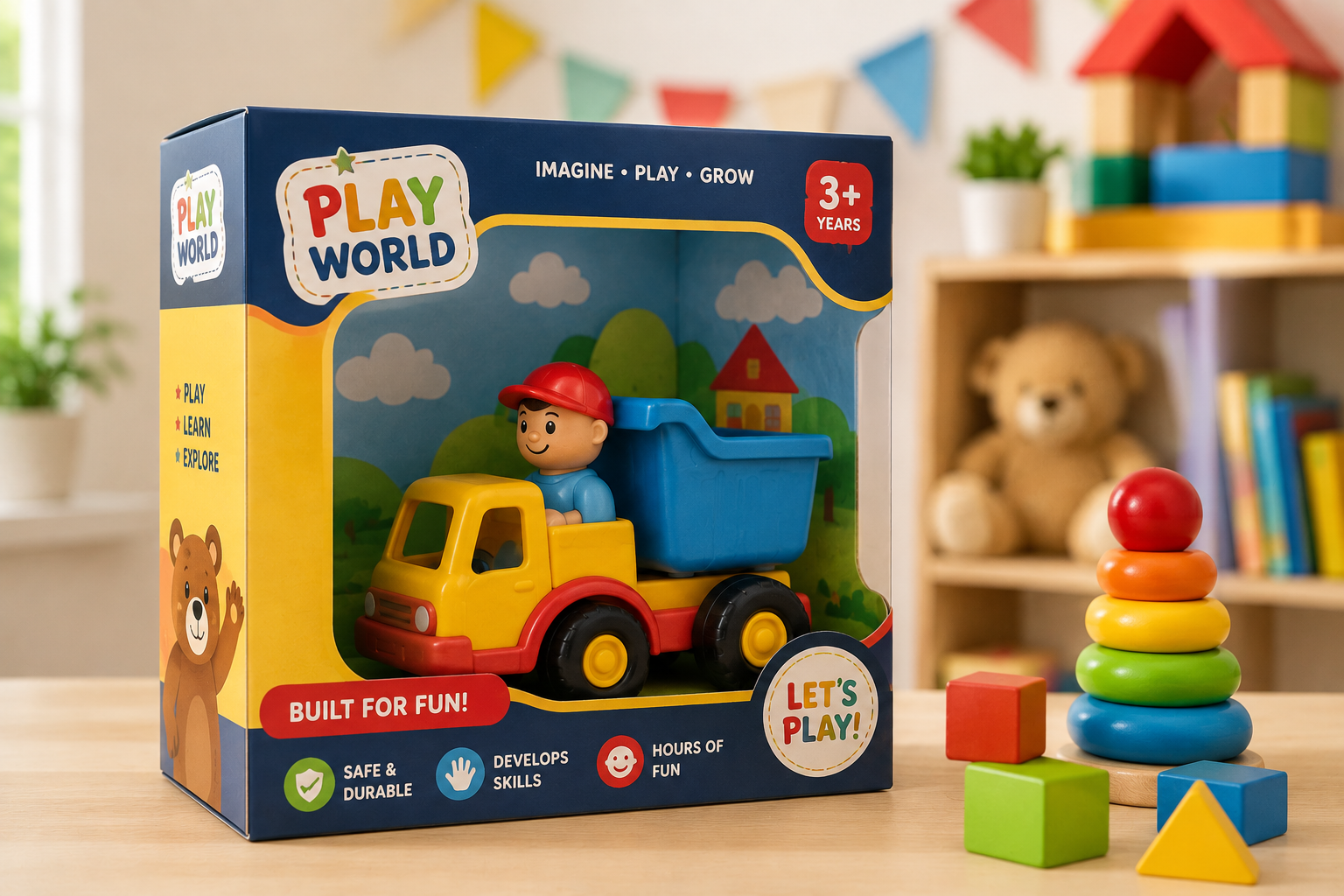
The toy industry is changing as brands look for new ways to make products more exciting before play even begins. Children are naturally attracted to colour, characters and interesting shapes, while parents often look for safety, value and quality. Packaging sits between these needs and can influence how a product is first discovered.
A toy box is no longer simply a container. It can introduce a character, create excitement and prepare children for what they will find inside. For parents buying gifts, attractive presentation can also make the purchase feel more special.
As competition grows across toy shops and online marketplaces, brands are finding that thoughtful packaging can become part of the wider play experience.
The experience often begins when a child sees the package.
Bright colours, interesting illustrations and clear product images can encourage curiosity. Children may immediately want to know what is inside, while parents can quickly understand what they are buying.
This first impression is particularly important for toys displayed on crowded shelves. A package needs to stand out without becoming confusing or overloaded with information.
Good design creates a clear visual hierarchy. The product name, main character and most important features should be easy to identify.
Toys are closely connected with imagination. Packaging can support that imagination by giving children a small introduction to the world surrounding the product.
For example, a toy based around space could use planets, stars and futuristic scenes. A construction toy might show an exciting building environment.
This approach gives packaging a storytelling role. Instead of simply showing the product, it can help children imagine how they might use it.
The story should remain simple enough for children to understand while providing parents with useful product information.
Colour can strongly influence how a toy is noticed.
Bright colours can attract attention, while softer or darker combinations may be more suitable for particular age groups or product themes.
Brands should choose colours carefully rather than simply using as many as possible. Too many competing colours can make the package look confusing.
A consistent colour system can also help customers recognise different products from the same company.
Parents want to know what they are purchasing. Clear product images and useful information can reduce uncertainty.
A package should provide an honest representation of the toy. If additional accessories are not included, this should be made clear.
This becomes particularly important with online shopping, where customers cannot physically examine the product before buying.
Accurate presentation can help reduce disappointment, complaints and returns.
Unboxing is an important moment for children. The process of opening a toy can build anticipation before play starts.
Brands can make this experience more enjoyable through simple design choices. Easy-open features, neat internal presentation and sensible product positioning can make the first interaction feel exciting.
However, the opening process should not become unnecessarily complicated.
Parents may become frustrated if they need excessive time or tools to remove a toy from its packaging.
Although children may be the main audience for many toys, parents are usually involved in the purchase.
Parents look for information about age suitability, safety, instructions and product features. They may also consider storage and how easily the packaging can be disposed of.
Successful toy packaging therefore needs to appeal to children while remaining practical for adults.
A colourful design can attract attention, but clear information helps parents make confident decisions.
Toy companies often have several products, characters or collections. Packaging can help connect them.
Consistent typography, colours and design features can make different products feel like part of the same family.
Over time, children and parents may begin to recognise the brand simply from its visual style.
This recognition can be especially useful when products are placed next to competing toys with similar features.
Every toy has different packaging requirements. A small puzzle, plush toy, building set and collectible figure may all require different structures.
The package should provide enough protection without making the product difficult to access.
For collectible products, presentation may be particularly important because buyers may want to display the item after opening.
For businesses developing custom toy box packaging, the structure can be planned around the product's dimensions, weight and presentation needs rather than relying on a standard format.
Collectible toys often appeal to both children and adult enthusiasts. In these markets, the package may become part of the product experience.
Collectors may want to keep the original box, so appearance and durability can become especially important.
An action figure box can provide space for product artwork, character information and visual details while also helping protect the figure during transport and storage.
The design should balance display appeal with practical protection.
Environmental concerns are affecting packaging choices across many industries, including toys.
Parents are increasingly aware of unnecessary packaging and may prefer brands that make sensible material choices.
Toy companies can reduce waste by avoiding excessive layers, selecting appropriate box sizes and considering recyclable materials where suitable.
However, reducing packaging should not compromise product safety or protection.
A damaged toy can create additional waste through returns and replacements.
Some brands are taking packaging further by designing parts of it for reuse.
A box might become a playhouse, backdrop, storage unit or simple game board after the toy has been removed.
This can extend the useful life of the packaging and create another interaction between the child and the brand.
It also gives businesses an opportunity to encourage creativity without adding another physical product.
The idea should remain practical. If children cannot easily transform or use the package, the feature may have little value.
Technology is creating new ways for physical packaging to connect with digital experiences.
QR codes can lead customers to instructions, games, character stories or educational activities.
Augmented reality can also allow children to interact with digital content through a smartphone or tablet.
These features should provide genuine value rather than simply being added because they are fashionable.
A useful digital experience can extend play beyond the box and create stronger engagement with the brand.
Online toy sales continue to make presentation important in a different way.
A child may not see the product on a shop shelf, but the package still creates excitement when it arrives.
For gift purchases, the delivery can be particularly important. Customers may want the toy to look presentable immediately after opening the parcel.
Packaging should therefore survive transportation while keeping the product in good condition.
Toy brands need to avoid several common mistakes.
One is making packaging too difficult to open. Complicated plastic ties and excessive fasteners can frustrate parents.
Another is using packaging that is much larger than the product. This can increase material use and transportation requirements.
Brands should also avoid misleading images that make toys appear larger or more detailed than they really are.
Clear communication builds trust.
Packaging should be tested with real products before large-scale production.
Businesses can check whether the toy fits correctly, whether components remain secure and whether the box survives normal handling.
It is also useful to ask parents and children for feedback where appropriate.
Simple testing can identify problems that may not be visible during the design stage.
Reviews provide useful information about how packaging performs in real homes.
Parents may mention difficult opening, damaged boxes or excessive materials. Children may respond positively or negatively to certain visual elements.
Brands should look for repeated feedback rather than changing designs based on one comment.
Over time, this information can help companies create packaging that better meets customer expectations.
Toy packaging is likely to become more interactive, sustainable and experience-focused.
Digital technology can connect physical products with online content, while smarter materials and designs can help reduce waste.
Brands may also continue developing packaging that becomes part of the toy experience rather than being thrown away immediately.
The strongest ideas will combine creativity with practical value.
Toy packaging is becoming an important part of how children discover, open and experience products. It can create excitement, tell stories and strengthen the connection between a child and a brand.
At the same time, packaging needs to work for parents by providing protection, clear information and convenient handling.
When toy brands combine thoughtful design with practical features, the box can become more than a container. It can become the first chapter of the play experience.