English
 Arabic
 French
 Spanish
 Portuguese
 Deutsch
 Turkish
 Dutch
Dutch
 Italiano
 Russian
 Romaian
 Portuguese (Brazil)
 Greek
Greek
 Social Networth OS
 Creator Commerce
 Launch Startup
 Global News
 Creator Award
 Talkfever App

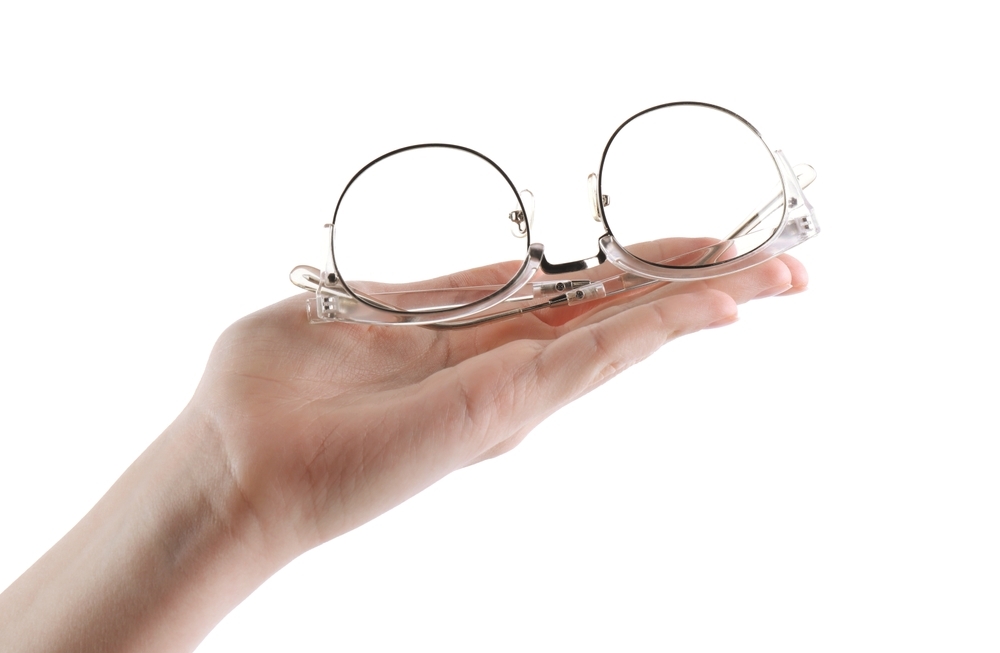
Choosing eyewear involves more than picking a shape that looks appealing in a mirror. Buyers need more than a general idea of style to find a pair that actually fits well, holds up daily, and suits how they'll actually wear it. That's where understanding Female Glasses Frames in more detail makes a real difference. Frame design for women differs from unisex or men's eyewear in several specific ways, including bridge width, temple length, and the range of shapes typically offered, and understanding these differences helps buyers avoid a purchase that looks fine on a shelf but never quite fits right once worn.
What Sets Female Glasses Frames Apart
Women's frames are typically built with narrower bridges and shorter temple arms than unisex designs, reflecting average differences in facial proportions. Rather than simply scaling down a men's frame, a properly designed women's frame accounts for:
- Narrower nose bridge width to match smaller average bridge size
- Shorter temple arm length for a closer fit behind smaller ears
- A wider variety of shape options, including cat-eye, oval, and rounder silhouettes
- Lighter overall frame weight in many designs
- More colour and pattern variety compared to typical unisex offerings
The goal is a frame that sits correctly without requiring heavy adjustment, rather than one that technically fits but needs constant repositioning throughout the day.
Why Fit Differences Actually Matter Day to Day
Fit affects far more than appearance. A frame with a bridge too wide for the nose slides constantly, while one too narrow pinches uncomfortably within an hour. Temple arms too long leave gaps that let the frame slip during normal movement, while arms too short press against the head and cause headaches by afternoon.
A well-fitted frame can help a wearer forget they're wearing glasses at all, staying in place through a full day of movement, screen work, and changing environments. This is one reason understanding correct sizing matters more than shape or colour alone when choosing a first pair or replacing an old one.
Shape Options Commonly Available for Women
A properly stocked selection can produce different frame shapes depending on face type and personal preference.
1. Round and Oval Frames
These softer shapes tend to suit more angular faces, adding a gentler visual balance without a rimless or overly minimal look.
2. Cat Eye Frames
The upswept outer corner gives a face subtle definition and has remained a consistently popular option across different fashion cycles rather than fading with shorter trends.
3. Rectangle and Square Frames
These structured shapes suit rounder faces particularly well, adding definition that softer face types don't naturally have.
4. Oversized Frames
Larger frames offer more coverage and have become common for both prescription wear and sun protection, particularly for buyers wanting a bolder look.
Choosing the Right Fit for Your Face Shape
A properly fitted pair starts with understanding face shape rather than simply trying on whatever's displayed first.
The team, or the wearer themselves, should consider:
- What is the face's basic shape: round, oval, square, or heart-shaped?
- What frame width matches the widest point of the face?
- What bridge type suits the individual nose shape?
- Where will the glasses be worn most, office, casual outings, or both?
- What material best suits daily handling and durability needs?
This groundwork often matters more than the final material or colour choice used during fitting.
Material Selection
Once shape and sizing are settled, material choice affects both comfort and longevity.
Step 1: Understanding Material Options
The most common materials include acetate, known for rich colour options, and titanium or stainless steel, known for being lightweight and durable.
Step 2: Matching Material to Lifestyle
A frame worn daily for office work benefits from something durable and lightweight, while an occasional-wear pair has more flexibility for heavier, bolder acetate designs.
Step 3: Considering Lens Compatibility
Material affects how well a frame holds thicker or heavier prescription lenses, with sturdier builds generally handling stronger prescriptions more reliably.
Step 4: Fitting Adjustments
A proper in-person fitting allows an optician to adjust nose pads and temple angle to the specific wearer, something online sizing alone cannot replicate.
Applying the Same Fit Principles to Sun Protection
Fit and shape considerations don't stop at prescription frames. Sunglasses for women in Pakistan require the same attention to bridge width, temple length, and face shape that prescription frames do, with the added consideration of UV protection given how strong sunlight remains through most of the year. A properly fitted pair of sunglasses should stay in place during a commute or outdoor errands the same way a well-fitted prescription frame stays in place at a desk.
Benefits of Getting the Fit Right the First Time
Reduces Daily Discomfort
A properly sized frame eliminates the sliding, pinching, and pressure marks that come from mismatched sizing.
Improves Long-Term Frame Condition
Frames that fit correctly experience less stress at hinges and mounting points, extending their usable life compared to frames constantly pushed and readjusted.
Supports Consistent Vision Correction
A frame that stays properly positioned keeps the eyes aligned with the lens's optical center, supporting more consistent vision correction throughout the day.
Builds Buying Confidence for Future Purchases
Once a wearer understands their own bridge width, face shape, and preferred material, future purchases become far easier and less prone to costly returns or exchanges.
How to Choose the Right Frame Source
Selecting where to buy should involve more than browsing a display case.
Consider the following factors:
Fitting Support
Look for a seller who offers proper in-person fitting rather than one relying entirely on standard sizing charts.
Material Transparency
Ask specifically what material is used and how it's expected to hold up with regular wear.
Range of Shape Options
A seller offering a genuine variety of shapes makes it easier to find something suited to individual face shape rather than settling for limited stock.
Return and Adjustment Policy
Clear policies on returns or free adjustments after purchase indicate a seller confident in their fitting process.
Female Glasses Frames Should Start With Fit, Not Just Style
One of the most common mistakes buyers make is choosing a frame purely because of colour or trend without checking whether the size and shape actually suit their face and daily habits.
A better starting question is: does this frame fit my face shape and daily routine, not just does it look appealing on the shelf?
For example, a frame chosen might need to:
- Stay in place through a full commute or workday
- Suit both formal and casual settings without needing multiple pairs
- Hold up to daily handling without loosening at the hinges
- Provide comfortable, consistent vision correction throughout wear
Once fit and shape are properly matched, shape and colour choices become far easier to finalize.
Signs a Frame Fits Properly
A properly fitted frame's success shouldn't be judged by appearance alone.
For daily comfort, watch for:
- No sliding without deliberate adjustment
- No pinching or pressure marks after several hours
- Even weight distribution across nose and ears
- No visible gaps between temple arms and the head
For long-term durability:
- Hinges that remain tight without frequent tightening
- No visible warping at stress points like the bridge or temple joints
- Consistent comfort across different activities, sitting, walking, driving
The right signs to check depend on how and where the frame will be worn most often.
The Future of Choosing Female Glasses Frames
Eyewear selection is moving toward a more informed, fit-first approach. Buyers are increasingly asking about bridge width, material durability, and proper sizing rather than choosing based on trend alone.
The most satisfied buyers are not necessarily those spending the most on a single designer pair. They are the ones who understand their own face shape and fit needs well enough to make confident choices across multiple purchases over time.
Instead of buying one frame every few years and hoping it works, buyers can build a better understanding of what actually fits them, making each future purchase faster and more reliable.
Frequently Asked Questions
How do I know my correct bridge width without an in-person fitting?
A rough check involves looking at where current glasses leave marks or slide, though an in-person fitting remains the most reliable way to confirm accurate bridge width.
Are lighter frame materials always more comfortable for daily wear?
Generally yes, lighter materials like titanium reduce pressure at the nose and ears over a full day, though acetate remains a solid choice for occasional or shorter wear.
Can the same frame shape work for both prescription glasses and sunglasses?
Yes, many buyers choose a matching shape for both, keeping fit and style consistent between indoor prescription wear and outdoor sun protection.
How often should frame fit be reassessed?
Checking fit whenever a new pair is purchased, or if an existing pair starts sliding or pinching more than usual, helps catch sizing issues before they cause ongoing discomfort.
Does frame material affect how well it holds a prescription lens?
Yes, sturdier materials generally support thicker or heavier prescription lenses more reliably than lightweight or delicate frame builds.
Final Thoughts
Choosing well-suited female glasses frames involves far more than picking a shape that looks appealing in a display case. The right pair combines correct bridge width, appropriate temple length, suitable material, and a shape that matches individual face structure.
From cat-eye and oval shapes to rectangular and oversized options, frame variety exists specifically to accommodate different face types and daily needs. The key is starting with fit, not style alone.
When face shape, bridge width, material, and daily use all align properly, a pair of glasses becomes more than an accessory. It becomes a comfortable, reliable part of daily life that supports both vision and personal style without requiring constant adjustment.