English
 Arabic
 French
 Spanish
 Portuguese
 Deutsch
 Turkish
 Dutch
Dutch
 Italiano
 Russian
 Romaian
 Portuguese (Brazil)
 Greek
Greek
Sustainable Packaging Drives Tinplate Packaging Market Growth Through 2034
Other |
2026-07-27 09:26:32
 Social Networth OS
 Creator Commerce
 Launch Startup
 Global News
 Creator Award
 Talkfever App
See All
Talkfever App
See All

Upgrade to Pro
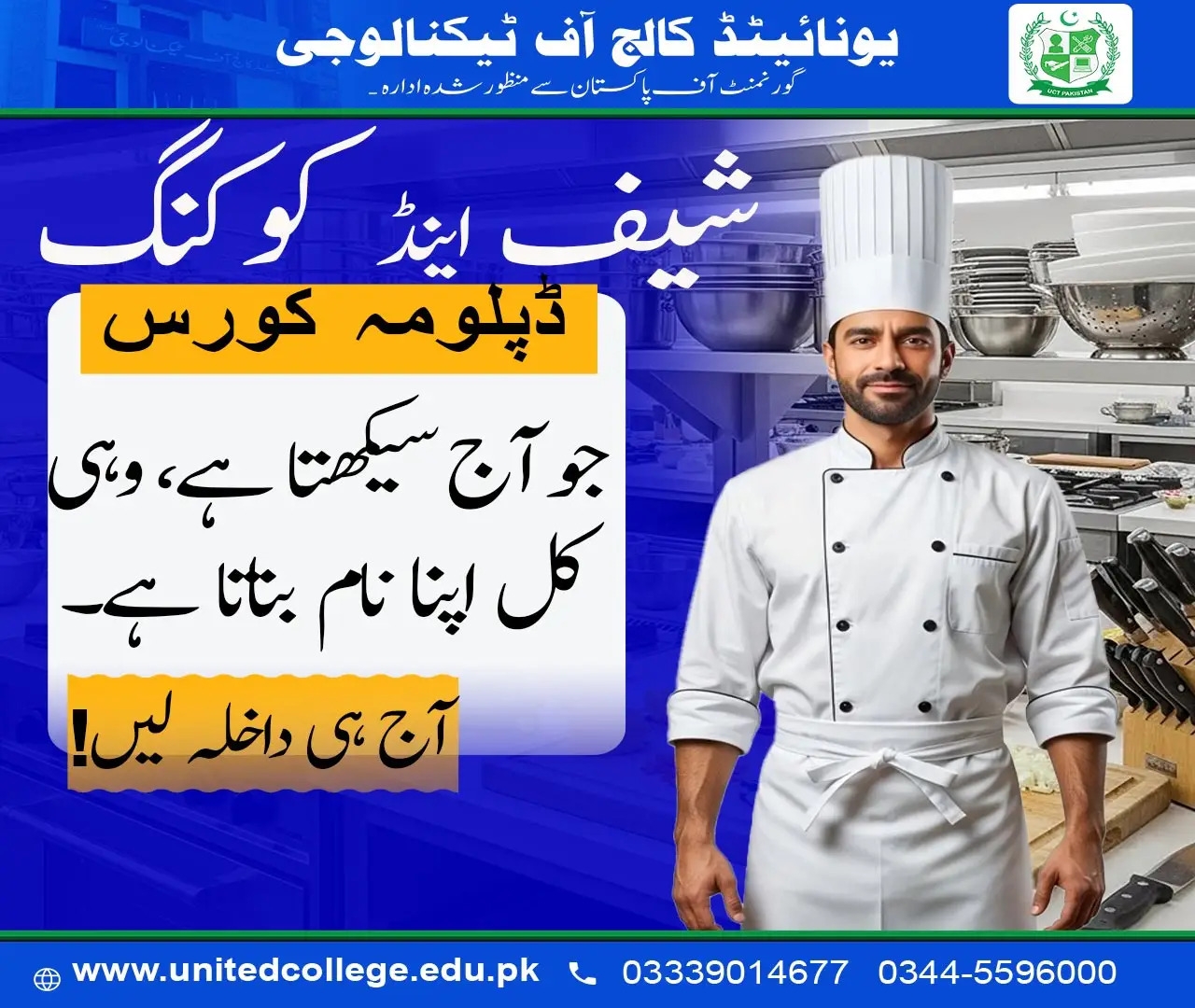
Cooking skills improve when learners have a chance to practice what they study. Reading recipes and watching cooking videos can provide useful knowledge, but hands-on work helps beginners understand how cooking works in real situations.
Chef and cooking training gives learners a structured way to practice kitchen tasks. It can help them understand ingredients, cooking methods, kitchen equipment, food safety, and the daily habits needed in a professional kitchen.
Beginners first need to understand the basic tasks that are used in almost every kitchen. Training can help learners become familiar with preparing ingredients, measuring quantities, using tools, and following recipes.
Important skills often include:
Cutting and preparing ingredients safely
Measuring ingredients and following recipes
Using common cooking equipment correctly
Regular practice can make these tasks easier and more natural. Over time, learners can become faster and more confident while working in the kitchen.
A strong training program introduces learners to different ways of preparing food. Each cooking method affects the taste, texture, appearance, and nutritional value of ingredients.
Beginners may learn techniques such as boiling, steaming, frying, grilling, roasting, and baking. Understanding when and how to use each method helps learners make better cooking decisions.
Heat control is another important part of practical cooking. Learners need to understand that different foods require different temperatures and cooking times.
With repeated practice, beginners can learn how to recognize when food is properly cooked instead of relying only on fixed cooking times.
Good cooking starts before food reaches the stove. Preparing ingredients in the correct way can save time and improve the quality of a dish.
Chef and cooking skills include washing, peeling, cutting, measuring, marinating, and organizing ingredients. Learning these steps helps beginners prepare their work area before cooking begins.
Food safety is an essential part of kitchen work. Learners need to understand how to handle raw and cooked foods safely and how to keep surfaces, tools, and equipment clean.
Training can help beginners develop habits such as washing hands, cleaning work areas, storing food correctly, and using clean equipment. These habits can reduce common food safety problems.
Food safety knowledge is useful for home cooking as well as professional food service environments.
An organized kitchen can make cooking easier and more efficient. Beginners can learn how to arrange ingredients, prepare equipment, and keep their workspace clean while working.
This type of organization is often connected with the professional kitchen practice known as mise en place. It helps cooks prepare everything they need before starting the main cooking process.
Professional kitchens can involve several tasks at the same time. A cook may need to prepare ingredients, monitor food, clean equipment, and complete different dishes within a limited period.
Chef and cooking training can help learners understand how to prioritize tasks. Regular practice can improve their ability to manage cooking time without sacrificing food quality.
Kitchen work is often a team activity. Chefs, cooks, assistants, and other staff may need to communicate clearly while preparing meals.
Training can introduce learners to basic workplace communication and teamwork. These skills can become especially useful when learners move into professional kitchen environments.
Confidence does not develop overnight. Beginners become more comfortable when they repeat tasks and learn from mistakes.
Practical training gives learners opportunities to try different techniques and correct errors. With regular practice, they can gradually improve their speed, accuracy, and decision-making.
Practical experience helps learners move beyond basic recipes. They can begin to understand why certain ingredients are used, how flavors work together, and how cooking techniques affect the final dish.
Professional chef and cooking skills can also include food presentation, portion control, recipe planning, and maintaining consistent quality.
Practical kitchen skills can provide a useful foundation for people interested in a chef and cooking career. Different food industry roles may require different levels of knowledge and experience.
Learners can continue developing their abilities through workplace practice, additional education, and specialized training. Continued learning is important because cooking methods and food trends can change over time.
Completing training is not the end of the learning process. Cooking improves with regular practice and a willingness to learn from both successes and failures.
Beginners can practice new recipes, improve weak areas, and learn different cuisines. They can also develop stronger knife skills, food presentation techniques, and time management through repeated kitchen work.
Practical kitchen training connects knowledge with real cooking tasks. It allows beginners to understand how ingredients, equipment, timing, safety, and teamwork work together.
For anyone interested in culinary work, developing these skills step by step can create a strong foundation. Consistent practice, chef and cooking education, and real kitchen experience can help learners become more capable and prepared for future opportunities.