 English
 Arabic
 French
 Spanish
 Portuguese
 Deutsch
 Turkish
 Dutch
Dutch
 Italiano
 Russian
 Romaian
 Portuguese (Brazil)
 Greek
Greek
iqos iluma 如何運作
Shopping |
2025-03-14 08:55:45
 Social Networth OS
 Creator Commerce
 Launch Startup
 Global News
 Creator Award
 Talkfever App
Смотреть все
Talkfever App
Смотреть все

Обновить до Про
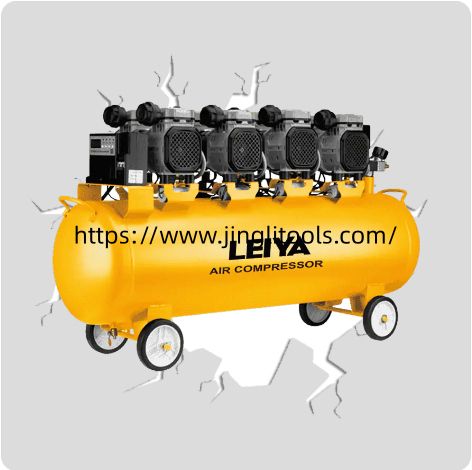
Air Compressor Machine selection should begin with the way equipment will actually be used, rather than with price or motor size alone. A workshop handling short maintenance tasks may have very different requirements from a production area running pneumatic equipment for several hours. Buyers should therefore examine tool demand, pressure, airflow, working frequency, storage capacity, electrical conditions, installation space, noise, energy use, and maintenance arrangements before choosing a suitable unit.
Check the Real Demand of Your Tools
The connected tools should be considered before looking at individual models. Impact wrenches, spray guns, grinders, nailers, cleaning equipment, and other pneumatic devices can have different consumption requirements.
Make a list of the tools that will be connected and check the pressure and airflow specified for each one. If multiple tools may operate simultaneously, their combined demand should be considered. This approach gives buyers a clearer understanding of the required output instead of relying on a single specification.
Current buying guidance also emphasizes matching delivered airflow to actual tool requirements rather than selecting equipment according to motor horsepower alone.
Pay Attention to Delivered Airflow
Airflow is an important figure because it indicates how much compressed gas the equipment can provide over a period of time. Buyers should check the delivered value at the working pressure required by their tools.
A high maximum pressure does not automatically mean that the equipment can provide sufficient airflow for demanding applications. Pressure and flow should therefore be reviewed together.
It is also useful to consider losses caused by hoses, regulators, fittings, filters, and piping. A system may perform differently at the tool compared with the figures shown on a product specification sheet.
Evaluate the Working Pattern
The way equipment operates during a normal day should influence the selection. Occasional use and extended operation place different demands on the motor, pump, cooling system, and storage tank.
Buyers should estimate how long the unit will run during each working period and how frequently it will start and stop. A model intended for short intermittent jobs may not suit applications involving extended pneumatic tool use.
Duty cycle information can provide useful guidance when comparing models for workshops with different workloads.
Consider Tank Capacity Carefully
Tank capacity should not be evaluated independently from output. A storage tank holds compressed gas and can provide a temporary reserve when demand changes, but it does not increase the fundamental production capacity of the pump.
For short bursts of tool use, appropriate storage can help reduce frequent cycling. For applications requiring continuous airflow, buyers still need sufficient delivered capacity.
The physical dimensions of the tank should also match the available installation area. A large tank may require additional floor space, transportation planning, and suitable placement.
Review Electrical Requirements
Electrical compatibility should be checked before ordering. Buyers should confirm voltage, frequency, phase configuration, rated power, plug requirements, and circuit capacity.
This is particularly important for international purchasing because electrical standards differ between markets. Confirming these details in advance can reduce installation problems after delivery.
The surrounding electrical environment should also be considered. If several machines operate simultaneously, their combined demand may affect the available power supply.
Think About Noise and Workspace Layout
Noise can become an important consideration when equipment operates close to workers. A workshop, repair station, classroom, or enclosed production area may have different requirements from an open industrial space.
Buyers should check available sound information and decide where the equipment will be positioned. Adequate ventilation and service clearance should also be maintained around the unit.
Portable applications require additional attention to wheels, handles, overall weight, and ease of movement. Fixed installations should provide enough room for inspection and routine maintenance.
Look at Maintenance Before Ordering
Maintenance requirements should be included in the purchasing decision. Buyers can check access to filters, valves, belts, connectors, drains, and other service components. Clear maintenance instructions can make routine inspections easier.
Replacement part availability is another practical consideration. Ask about service information, warranty arrangements, spare parts, and technical assistance before placing an order.
These details may not appear as important as pressure or airflow during the initial comparison, but they can influence the convenience of long-term operation.
Compare the Complete Product Configuration
Instead of comparing one number, buyers can create a simple checklist covering application demand, airflow, pressure, duty cycle, tank capacity, electrical compatibility, installation requirements, noise, maintenance, and expected operating hours.
This makes it easier to compare different configurations according to actual requirements. It also helps purchasing teams communicate technical needs more clearly when requesting quotations.
For buyers looking for workshop equipment and professional power tool solutions, jinglitools provides a range of products designed for different working environments. Available products and categories can be reviewed through the https://www.jinglitools.com/product/ By evaluating the complete working situation before purchase, buyers can select equipment that fits their tools, workspace, operating schedule, and maintenance plans more appropriately.



