English
 Arabic
 French
 Spanish
 Portuguese
 Deutsch
 Turkish
 Dutch
Dutch
 Italiano
 Russian
 Romaian
 Portuguese (Brazil)
 Greek
Greek
How to Get in Touch with Crypto Customer Service Number
Other |
2025-04-18 11:28:35
 Social Networth OS
 Creator Commerce
 Launch Startup
 Global News
 Creator Award
 Talkfever App
Alle anzeigen
Talkfever App
Alle anzeigen

Upgrade auf Pro
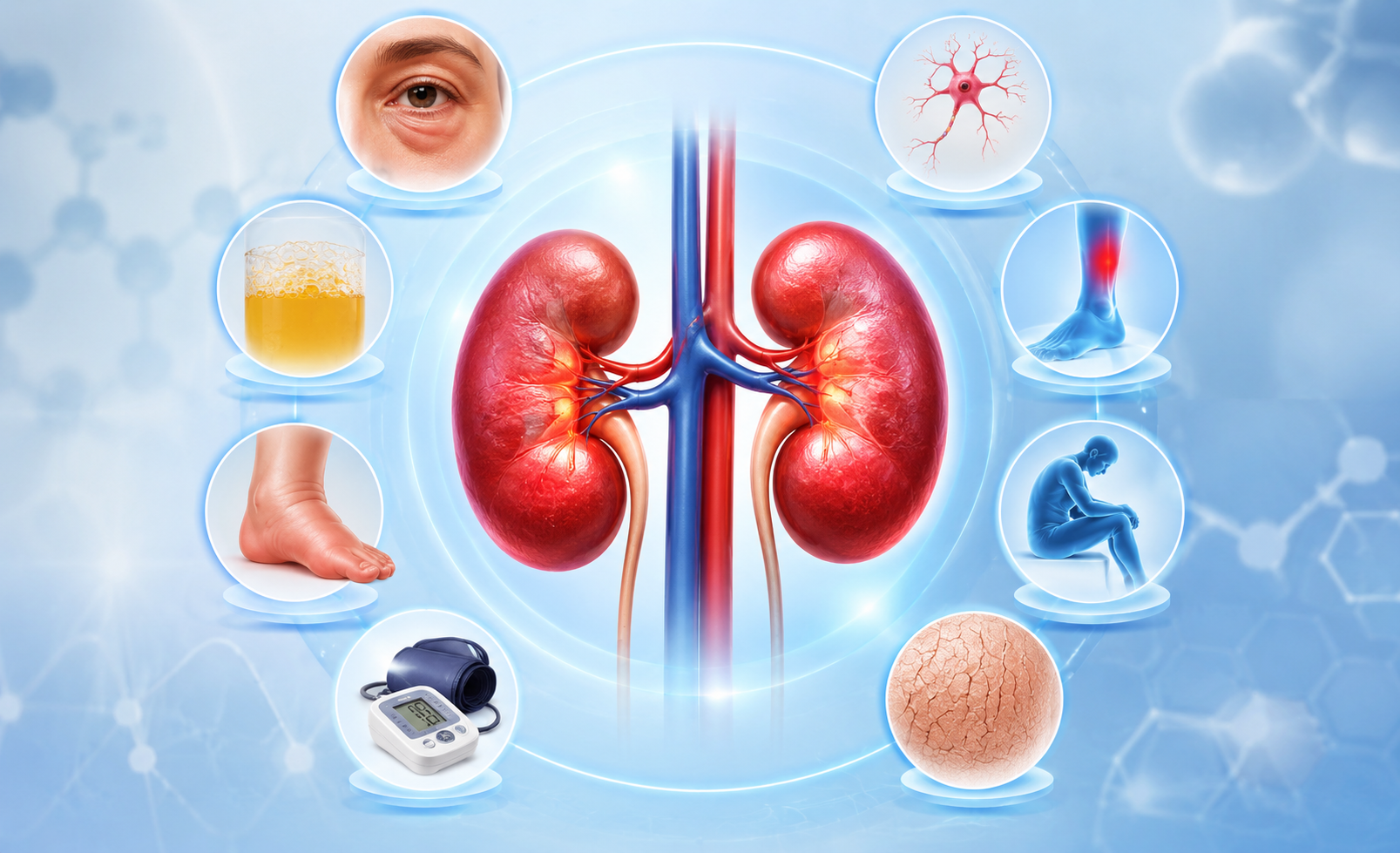
Chronic kidney disease (CKD) is a long-term condition in which the kidneys gradually lose their ability to filter waste and excess fluids from the blood. Because CKD may develop without noticeable symptoms in its early stages, chronic kidney disease diagnosis is important for identifying the condition early and managing it effectively.
Early detection can give patients and healthcare professionals more time to address underlying causes, protect remaining kidney function, and reduce the risk of complications.
The kidneys perform several essential functions, including filtering waste from the blood, maintaining fluid and electrolyte balance, and supporting healthy blood pressure and red blood cell production.
CKD occurs when kidney damage or reduced kidney function persists for more than three months. Common causes include diabetes and high blood pressure, although other medical conditions can also affect kidney health.
One of the challenges with CKD is that a person may not experience obvious symptoms during the early stages. Kidney damage can therefore progress without the individual realizing that something is wrong.
Diagnosis allows doctors to determine whether kidney damage is present, assess kidney function, identify possible causes, and monitor changes over time. People at higher risk, including those with diabetes or high blood pressure, may need regular kidney health checks.
A blood test is commonly used to measure creatinine, a waste product that is normally removed by the kidneys. The creatinine level can be used to estimate the glomerular filtration rate (eGFR).
The eGFR provides an estimate of how well the kidneys are filtering blood and is an important measurement when assessing kidney function.
Urine testing can help identify signs of kidney damage. One important test measures the amount of albumin in the urine.
An elevated urine albumin-to-creatinine ratio (UACR) can indicate that the kidneys are allowing more protein to pass into the urine than they normally should.
High blood pressure is closely associated with kidney disease. It can contribute to kidney damage and may also develop as kidney function declines.
For this reason, blood pressure is generally considered alongside kidney function and urine test results when evaluating kidney health.
In some cases, doctors may recommend imaging tests such as an ultrasound or other scans. These tests can provide information about the size and structure of the kidneys and may help identify abnormalities such as blockages or structural problems.
The type of imaging required depends on the patient's symptoms, medical history, and suspected cause.
Depending on the situation, healthcare professionals may recommend additional blood or urine tests to investigate the underlying cause of kidney damage. In selected cases, a kidney biopsy may be considered to determine the specific type of kidney disease.
CKD is commonly classified into stages based on estimated glomerular filtration rate (eGFR). The stages range from mild kidney function reduction to kidney failure.
The amount of albumin in the urine is also important because it provides information about kidney damage and can help healthcare professionals assess the risk of disease progression.
It is important to remember that a single abnormal test does not necessarily confirm chronic kidney disease. Doctors generally consider the duration of the abnormality, medical history, repeat testing, and other findings before establishing a diagnosis.
People with certain health conditions may have a greater risk of developing CKD. These include:
People in higher-risk groups should discuss appropriate kidney screening with their healthcare provider.
Kidney and cardiovascular health are closely connected. CKD can increase the risk of cardiovascular problems, while conditions affecting the heart and blood vessels can also influence kidney health.
Patients managing both kidney and cardiovascular concerns may require coordinated medical care. When seeking cardiovascular evaluation or treatment, choosing an appropriate heart hospital in Jaipur can help patients access specialized cardiac services and professional guidance.
Receiving a CKD diagnosis does not mean that kidney failure is inevitable. The next step is usually to understand the cause and determine the severity of kidney damage.
Treatment may focus on controlling conditions such as high blood pressure and diabetes, managing complications, making appropriate lifestyle changes, and using prescribed medicines. Regular follow-up tests can help doctors monitor kidney function and make treatment adjustments when needed.
Not every case of CKD can be prevented, but managing major risk factors can help protect kidney health. Keeping blood pressure and blood glucose under control, maintaining a healthy weight, staying physically active, avoiding tobacco, and following medical advice can all contribute to better overall health.
People should also avoid taking medicines or supplements regularly without discussing them with a healthcare professional, particularly if they have existing kidney problems.
Chronic kidney disease diagnosis involves more than a single test. Blood tests, urine tests, blood pressure measurements, imaging, medical history, and other investigations may be used to understand kidney health and identify the possible cause.
Since CKD can remain unnoticed in its early stages, people at higher risk should discuss appropriate screening with a healthcare professional. Early identification and consistent management can help protect kidney function and reduce the risk of serious complications.