English
 Arabic
 French
 Spanish
 Portuguese
 Deutsch
 Turkish
 Dutch
Dutch
 Italiano
 Russian
 Romaian
 Portuguese (Brazil)
 Greek
Greek
MMoexp:NBA 2K27 Dribble Meta Guide: Best Controller Settings, Signature Moves, Combos & Guard Builds
Games |
2026-08-28 08:12:10
 Social Networth OS
 Creator Commerce
 Launch Startup
 Global News
 Creator Award
 Talkfever App
Alle anzeigen
Talkfever App
Alle anzeigen

Upgrade auf Pro
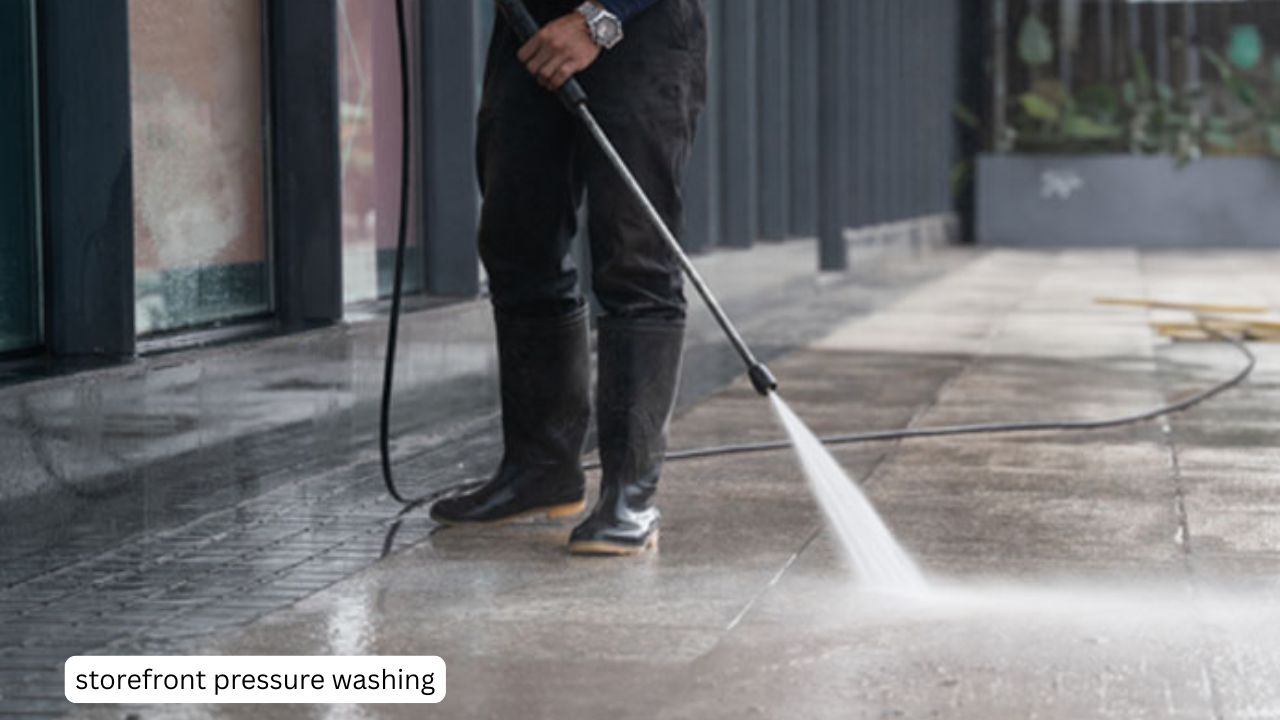
A clean storefront creates an immediate impression on customers. Before people walk through the door, they notice the windows, entrance, sidewalks, walls, and other exterior surfaces. Dirt, stains, algae, gum, and accumulated grime can make even a successful business appear neglected. Regular storefront pressure washing provides a practical way to restore these areas and maintain a professional appearance.
For retail stores, restaurants, offices, salons, and other commercial properties, exterior cleanliness can influence how customers perceive the business. Pressure washing uses controlled water pressure to remove stubborn buildup that ordinary sweeping or basic cleaning may not handle effectively. When performed correctly, it can refresh exterior surfaces while supporting routine property maintenance.
A storefront is more than the entrance to a business. It is part of the brand experience. A clean and well-maintained exterior can make a location look more inviting and give customers greater confidence in the business. On the other hand, dirty sidewalks, stained concrete, and grimy walls can create an impression of poor maintenance.
Storefront pressure washing helps address common exterior problems such as dirt, mud, mildew, oil marks, and other surface buildup. For example, a restaurant may develop grease-related stains around its entrance, while a retail shop may experience heavy foot traffic that leaves sidewalks visibly dirty.
Routine exterior cleaning can also help preserve surfaces by preventing grime and organic growth from accumulating for long periods. A consistent cleaning schedule allows business owners to address small problems before they become more difficult and expensive to manage.
Commercial storefronts contain several exterior surfaces that can benefit from professional cleaning. However, each material requires an appropriate pressure level and cleaning method.
Concrete sidewalks often collect dirt, chewing gum, mud, tire marks, and dark stains. Pressure washing can significantly improve their appearance and make the entrance area look cleaner.
Brick, concrete, and some exterior siding materials can accumulate dust, algae, and environmental residue. Professional cleaners can select suitable pressure settings to reduce the risk of surface damage.
Entrances receive constant foot traffic, making them particularly vulnerable to dirt and staining. Cleaning these areas can create a fresher appearance for customers arriving at the business.
Storefront owners should avoid treating every surface identically. Delicate materials may require soft washing or lower-pressure techniques rather than aggressive cleaning.
One major advantage of professional cleaning is the ability to remove stubborn exterior buildup efficiently. Commercial properties can accumulate years of dirt, especially in busy areas with heavy traffic and changing weather conditions.
Professional storefront pressure washing can also improve the overall appearance of a property without requiring extensive renovation. A visibly cleaner entrance may help a business look more organized and welcoming.
Another benefit is convenience. Business owners and employees can focus on customers and daily operations instead of spending hours attempting to clean large exterior areas themselves. Professionals generally have commercial equipment, surface-cleaning tools, and experience handling different materials.
For example, a small retail store preparing for a grand reopening might pressure wash its sidewalks, entrance, and exterior walls as part of a broader property refresh. The cleaning can complement other improvements such as window washing, landscaping, and signage updates.
There is no single schedule that works for every business. Cleaning frequency depends on location, weather, traffic levels, surface type, and the amount of pollution or organic growth surrounding the property.
Businesses in high-traffic areas may require more frequent cleaning because sidewalks and entrances become dirty quickly. Restaurants may also need regular exterior cleaning because food-related residue and grease can affect surrounding surfaces.
A business surrounded by trees may experience more leaves, pollen, and organic buildup. Properties in humid environments can also be more susceptible to algae or mildew. Meanwhile, storefronts near busy roads may collect dust and vehicle-related residue.
A practical approach is to inspect the property regularly. If sidewalks look noticeably darker, walls have visible stains, or the entrance appears dirty from normal viewing distance, it may be time for professional cleaning. Seasonal cleaning can also be useful, particularly before busy shopping periods or important business events.
Effective exterior cleaning is not simply about using the highest possible water pressure. Excessive pressure can damage certain materials, remove paint, etch concrete, or force water into vulnerable areas.
Professional cleaners assess the surface before starting. Concrete may tolerate stronger pressure than painted surfaces, delicate siding, or older masonry. The cleaning method should therefore match the material and type of contamination.
Pressure washing is useful for durable surfaces where stronger cleaning action is appropriate. Soft washing relies on lower pressure and suitable cleaning solutions and may be better for delicate surfaces or organic growth.
A knowledgeable service provider can determine whether pressure washing, soft washing, surface cleaning, or another approach is appropriate. This helps achieve better results while reducing the likelihood of unnecessary damage.
Preparation can make the cleaning process safer and more efficient. Business owners should remove movable outdoor items such as displays, chairs, signs, planters, and temporary decorations when possible.
Doors and sensitive openings should be checked before cleaning. Electrical equipment and vulnerable fixtures should also be protected. Businesses may want to schedule cleaning during quieter operating hours to reduce disruption to customers and employees.
For example, a retail store could arrange cleaning early in the morning before opening. A restaurant might choose a time between operating periods. Planning ahead allows the cleaning team to work efficiently while minimizing interference with normal business activity.
After cleaning, the property should be inspected to ensure surfaces are appropriately clean and that water has drained properly. Good preparation and follow-up can make storefront maintenance more effective.
Storefront cleaning involves water, equipment, cleaning solutions, and potentially slippery surfaces. Safety should therefore remain a priority throughout the process.
Professionals should use appropriate protective equipment and follow safe operating procedures. They should also consider pedestrians, employees, vehicles, electrical fixtures, nearby landscaping, and surrounding businesses.
A wet sidewalk can temporarily become slippery, so businesses may need to place warning signs or restrict access until the area is safe to walk on. Proper drainage is also important because standing water can create additional hazards.
Experienced cleaners understand that commercial properties require more than simply spraying dirty surfaces. They must work around customers, entrances, signage, parked vehicles, and other obstacles while maintaining an efficient cleaning process.
Professional cleaning works best when combined with regular maintenance. Store employees can sweep sidewalks, remove visible litter, clean small spills promptly, and monitor high-traffic areas.
Business owners should also address spills as soon as possible. Grease, food residue, and other contaminants can become more difficult to remove when they remain on a surface for extended periods.
A simple inspection routine can help identify problem areas early. Staff can check entrances, sidewalks, corners, loading areas, and exterior walls during regular property checks. This approach helps maintain a consistently professional appearance between scheduled cleanings.
For businesses that want stronger curb appeal, storefront cleaning can also be coordinated with window washing, landscaping, parking lot maintenance, and exterior lighting inspections.
A clean exterior can make a meaningful difference in how customers experience a business. Storefront pressure washing offers an effective way to remove accumulated dirt, stains, organic growth, and other exterior buildup from appropriate commercial surfaces.
The best results come from using the right cleaning method for each material, maintaining a sensible schedule, preparing the property properly, and prioritizing safety. Whether a business needs a one-time exterior refresh or ongoing maintenance, professional cleaning can help keep its storefront attractive, welcoming, and well maintained.
It removes visible dirt, stains, grime, and organic buildup from exterior surfaces, helping the property look cleaner, brighter, and more professionally maintained.
It can if excessive pressure or an unsuitable technique is used. Professional cleaners adjust pressure and cleaning methods according to the surface material.
The ideal frequency depends on traffic, weather, location, surface type, and contamination. Many businesses benefit from regular inspections and seasonal or routine cleaning.
No. Some delicate materials may require soft washing or another low-pressure cleaning method. A professional assessment can determine the safest approach.
Yes, but scheduling during quieter periods is often preferable. Early mornings, evenings, or other low-traffic periods can help reduce disruption to customers and employees.