Κεντρική Σελίδα
Blogs
Ομάδες
Σελίδες
περισσότερα
Upgrade to Pro
Celebrity fashion has changed dramatically with the growth of digital media. An actor's influence is no longer limited to the films or television programs in which they appear. Public appearances, interviews, social media photographs, advertising campaigns, magazine editorials, and international events can all contribute to a celebrity's image.
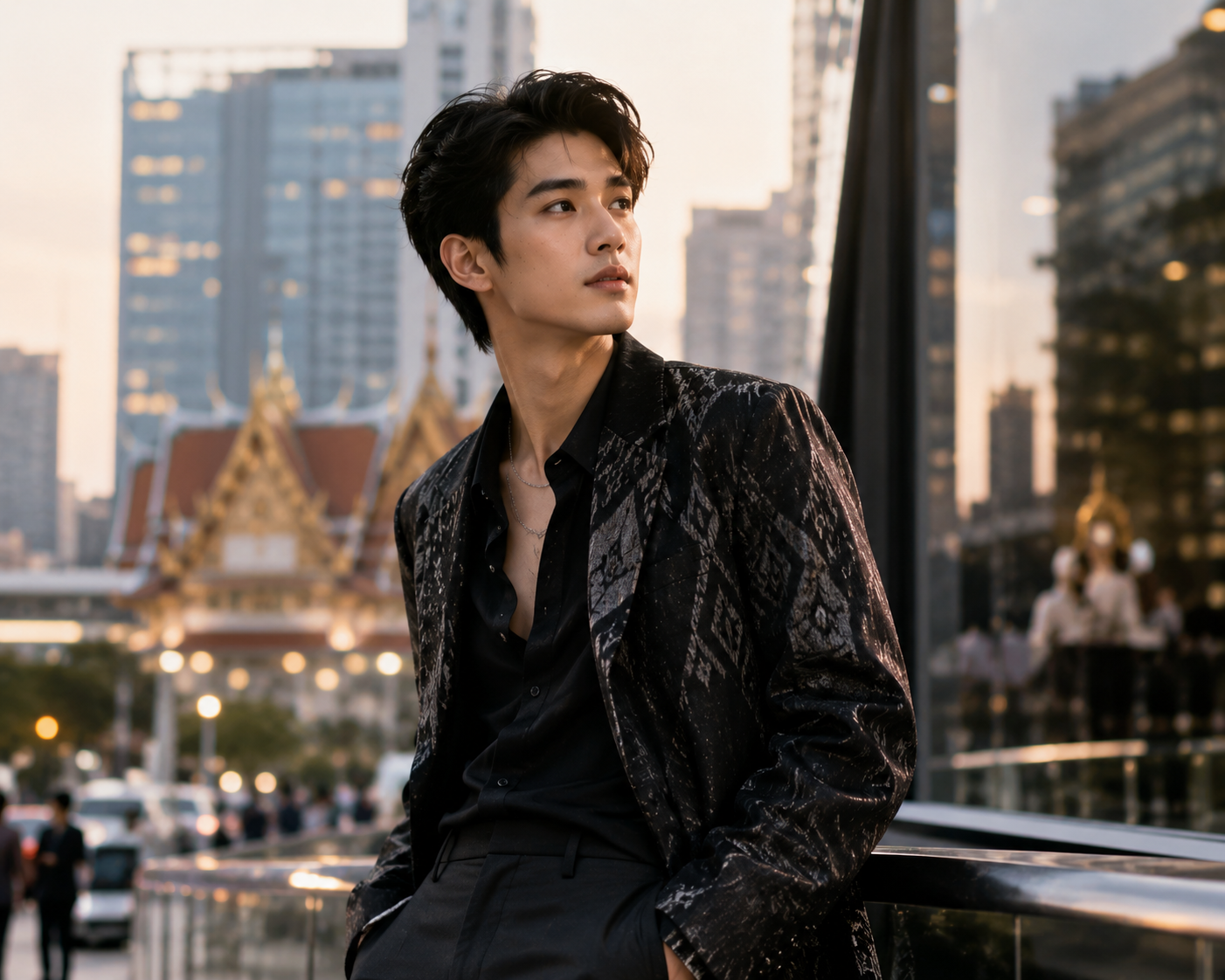
Mario Maurer is an interesting example of this transformation. As a Thai actor and model, his career has developed during a period when Asian entertainment has become increasingly accessible to international audiences. His public image provides an opportunity to examine how celebrity culture, fashion, media, and regional identity are becoming connected.
The New Meaning of Celebrity Style
Celebrity style used to be strongly connected with major events.
An actor might receive attention for an award ceremony outfit or a magazine cover, but that moment would eventually disappear as the next issue or television program arrived.
Digital media has changed this cycle.
Today, a single photograph can remain available online for years. Fans can repost it, discuss it, create styling content around it, or use it as inspiration.
This means a celebrity's fashion image can continue developing long after the original event.
Mario Maurer's Connection With Fashion
Mario Maurer has worked across entertainment and modeling, giving him a natural connection with fashion and visual media.
Modeling requires an understanding of presentation, posture, clothing, photography, and visual identity. Acting adds another dimension by requiring performers to communicate different personalities through appearance and behaviour.
The combination can help create a more versatile public image.
For audiences, this makes celebrity fashion interesting because it can reveal different sides of the same person.
Thailand's Creative Environment
Thailand has a diverse creative economy that includes entertainment, fashion, beauty, design, music, food, tourism, and digital media.
Bangkok in particular has developed a strong relationship between traditional culture and contemporary urban life.
Modern shopping districts exist alongside historic areas. International luxury brands operate alongside independent designers and local businesses.
This mixture creates an environment where fashion can develop through many different influences.
Entertainment as a Fashion Platform
Movies and television programs can introduce audiences to new clothing styles without directly selling them.
A character's wardrobe can communicate personality, profession, social background, or emotional development.
When audiences connect with a character, they may remember the clothing as part of that experience.
The same effect can happen with celebrities outside their acting roles.
Public appearances can reinforce particular ideas about their personal style.
The Asian Fashion Conversation
Fashion influence across Asia has become increasingly interconnected.
Consumers in different countries can follow the same entertainment personalities and respond to similar styling ideas.
At the same time, local markets continue developing their own identities.
This creates a balance between international influence and regional creativity.
The result is a fashion environment where Asian fashion trends can move between countries while still being adapted to local preferences.
Social Media Has Changed Everything
Social media has created a direct connection between celebrities and audiences.
A public appearance can be photographed and published almost immediately.
Fans can comment on an outfit, identify the designer, share styling ideas, or compare different appearances.
This makes celebrity fashion part of an ongoing conversation.
It also gives brands new opportunities.
A company working with a celebrity can benefit from the attention generated by the audience's natural interest in the person's style.
The Importance of Visual Consistency
A strong celebrity image often develops through consistency.
This does not mean wearing identical clothing at every event.
Instead, there may be recurring characteristics such as clean tailoring, relaxed silhouettes, neutral colors, contemporary accessories, or a particular approach to grooming.
Over time, these details can become associated with the celebrity.
For brands, this recognition can make a public figure an effective representative.
Thai Style and International Influence
Thai fashion exists within a global environment.
International brands influence local consumers, while Thai designers and celebrities can introduce regional ideas to wider audiences.
Climate also plays a role.
Thailand's warm conditions create demand for lightweight materials and comfortable clothing, while urban lifestyles encourage versatile pieces suitable for different situations.
This can produce a style that combines practicality with contemporary fashion.
The Growing Influence of Asian Entertainment
The international expansion of Asian entertainment has changed the global media landscape.
Korean entertainment has become a major cultural export, while Japanese, Thai, Chinese, and other Asian creative industries continue gaining international audiences.
Streaming platforms have played an important role by allowing audiences to watch productions from countries they may previously have had little access to.
As entertainment travels internationally, associated fashion and lifestyle influences can travel with it.
Why Celebrity Fashion Works
Celebrity fashion works partly because audiences develop emotional connections with public figures.
A person may become a fan because of a film, television series, or music project.
Later, that fan may become interested in the celebrity's clothing, hairstyle, accessories, or brand collaborations.
This creates a natural pathway from entertainment to fashion.
The process can be particularly powerful when the celebrity maintains a consistent public identity.
Brands and the New Consumer
Modern consumers have access to enormous amounts of information.
Before purchasing a product, they can research the brand, compare alternatives, watch reviews, and look at how other people use the product.
Celebrity partnerships therefore need to provide more than visibility.
Audiences increasingly expect relevance and authenticity.
If a partnership feels natural, consumers may pay greater attention.
If it feels forced, digital audiences can quickly express their criticism.
Fashion Media in the Digital Era
Digital fashion publications have become important sources of context.
They can report on celebrity appearances while also examining the designers, cultural references, business relationships, and consumer behaviour surrounding them.
This creates more informative fashion journalism.
Readers can learn not only what someone wore but why the appearance mattered.
Regional publications are particularly valuable because they can connect local stories with international developments.
The Role of Magnav Asia Pacific
A regional platform can provide a space where fashion and culture are discussed together.
Magnav Asia Pacific can connect topics such as fashion, entertainment, luxury, business, lifestyle, and regional creative industries.
This type of editorial approach reflects the way modern audiences consume information.
A reader interested in celebrity fashion may also be interested in travel, luxury brands, Asian culture, beauty, entertainment, and business.
Fashion and Digital Communities
Online communities are increasingly influential in determining what becomes popular.
Fans can create their own interpretations of celebrity outfits and share them across social networks.
This means fashion influence is no longer controlled entirely by brands or publications.
Consumers themselves help decide which styles receive attention.
A celebrity outfit may become popular not because of a formal advertising campaign but because fans organically share and recreate it.
The Growth of Personal Styling
Younger consumers are increasingly interested in personal styling rather than simply copying complete outfits.
They may take inspiration from a celebrity's jacket but combine it with their own shoes and accessories.
This creates a more individualized fashion culture.
Celebrity influence therefore becomes a starting point rather than a complete formula.
Sustainability and Celebrity Influence
Celebrity culture can also contribute to conversations about sustainable fashion.
When public figures wear clothing repeatedly, support responsible brands, or participate in sustainability campaigns, they can help normalize more conscious consumption.
The fashion industry is increasingly considering how celebrity partnerships can support long-term brand values.
Technology and Future Celebrity Experiences
Technology will continue changing how audiences interact with celebrities.
Virtual events, livestreams, augmented reality, digital fashion, and AI-powered experiences could create new forms of celebrity engagement.
Fans may eventually interact with fashion campaigns in ways that are more immersive than simply viewing a photograph.
This could create new opportunities for brands and entertainment companies.
Cultural Identity in a Global Industry
International popularity does not necessarily require abandoning regional identity.
In fact, cultural identity can become a valuable part of a celebrity's appeal.
Thai entertainment personalities can participate in international fashion while continuing to represent aspects of their own cultural background.
This balance can help create a distinctive identity in an increasingly crowded international market.
Looking Ahead
The future of Asian celebrity fashion will likely involve even stronger connections between entertainment, technology, fashion, and digital communities.
Streaming will continue introducing Asian performers to international audiences.
Social media will continue accelerating fashion discovery.
Brands will continue searching for personalities who can communicate with specific consumer groups.
Meanwhile, audiences will become increasingly involved in shaping celebrity fashion conversations.
Conclusion
Mario Maurer's career provides an interesting example of how Thai entertainment and contemporary fashion can intersect. His work across acting and modeling exists within a broader Asian media environment where celebrity identity is increasingly connected with clothing, branding, culture, and digital communication.
As regional entertainment continues gaining international visibility, the relationship between celebrities and fashion will become even more significant. Public figures can help audiences encounter new designers, styles, cultural references, and lifestyle ideas.
For brands and publishers seeking to understand these developments, global fashion insights can help connect celebrity influence with broader changes in consumer behaviour, digital media, and Asian creative industries.
The future of celebrity fashion will not simply depend on what famous people wear. It will depend on how audiences interpret those choices, how digital communities share them, and how brands transform cultural attention into meaningful relationships.
FAQs
Who is Mario Maurer?
Mario Maurer is a Thai actor and model who has built a successful career in the entertainment industry and gained recognition among audiences across Asia.
How does celebrity culture influence fashion?
Celebrities can introduce styles through films, events, advertising campaigns, magazine features, and social media appearances.
Why is Thai fashion gaining international attention?
Thailand's entertainment and creative industries are becoming more accessible internationally through streaming platforms and digital media.
What role does social media play in celebrity fashion?
Social media allows audiences to see celebrity outfits quickly, discuss them, share them, and use them as personal styling inspiration.
Can celebrity fashion influence brands?
Yes. Celebrities can help brands reach specific audiences and communicate a particular image when the partnership is relevant and authentic.
What is the future of Asian celebrity style?
It will likely become more connected with digital media, entertainment, technology, regional creativity, and international fashion markets.