English
 Arabic
 French
 Spanish
 Portuguese
 Deutsch
 Turkish
 Dutch
Dutch
 Italiano
 Russian
 Romaian
 Portuguese (Brazil)
 Greek
Greek
Weight Management Products Market Growth Business Size with Forthcoming Developments 2029
Health |
2025-05-15 06:52:46
 Social Networth OS
 Creator Commerce
 Launch Startup
 Global News
 Creator Award
 Talkfever App
عرض كل النتائج
Talkfever App
عرض كل النتائج

ترقية الحساب
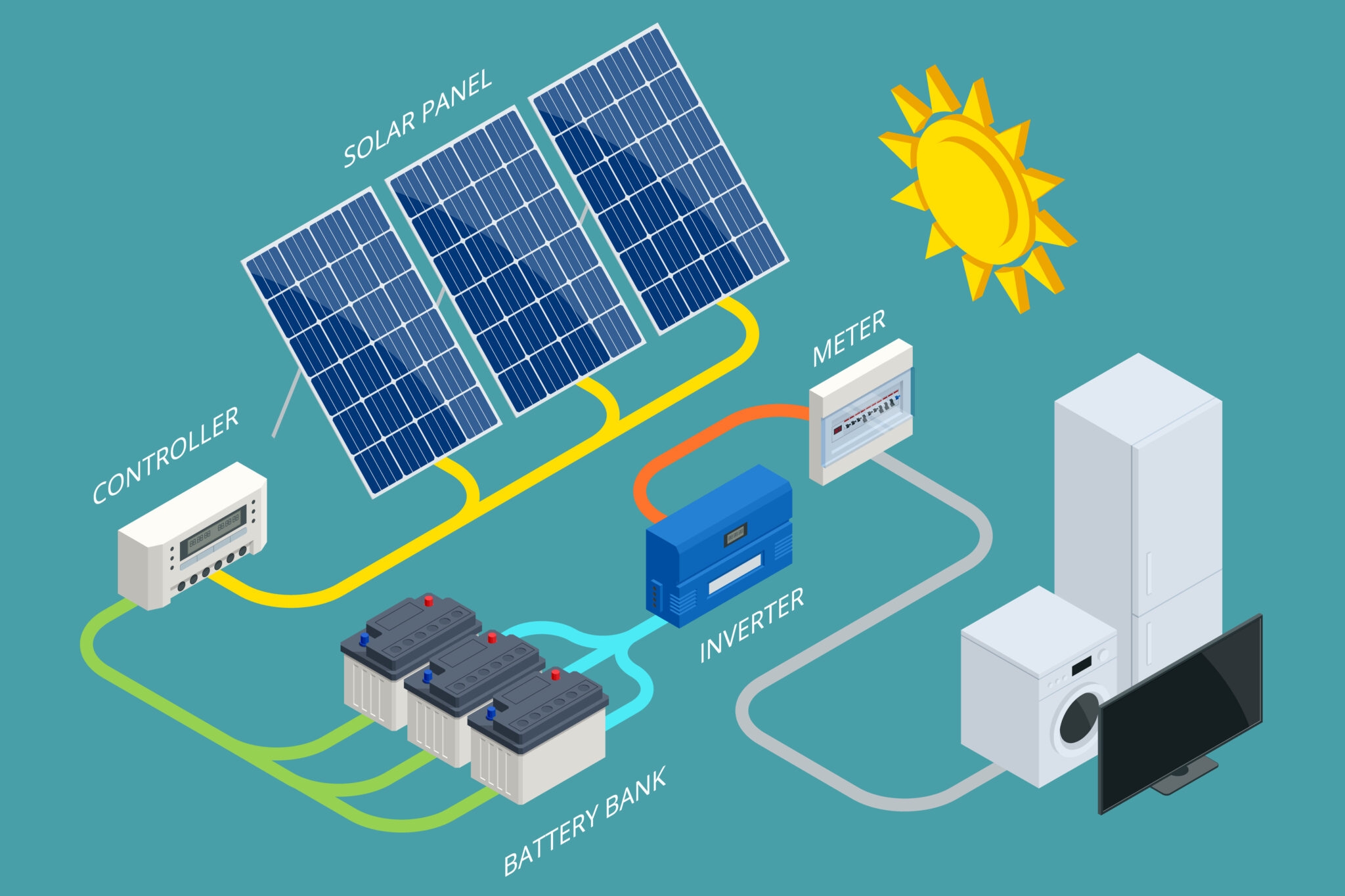
Solar energy has become an increasingly popular option for homeowners looking to reduce their dependence on traditional grid electricity. However, solar panels only generate electricity when sufficient sunlight is available. A solar battery backup system helps address this limitation by storing energy that can be used later.
By combining solar panels with battery storage, homeowners can create a more flexible energy system that supports electricity use during the evening, periods of low solar generation, and, with compatible equipment, certain power outages.
A solar battery backup system stores electricity generated by solar panels for later use. During the day, solar panels may produce more electricity than the household requires at that moment. Depending on the system configuration, this excess energy can be stored in a battery.
When solar production decreases, such as at night, the stored energy can be used to power selected appliances or support the household's electricity needs.
Some battery systems also include backup functionality, allowing them to provide electricity to nominated circuits during a grid outage. The level of backup available depends on the battery capacity, inverter, system design, and energy consumption.
A typical system includes several important components:
During daylight hours, solar electricity is generally used to power the home first. Excess energy may then charge the battery. Once solar generation reduces, stored electricity can be used before additional power is drawn from the grid.
During a power outage, a compatible backup system may automatically disconnect from the grid and continue supplying electricity to selected essential loads.
Without battery storage, excess solar electricity may be exported to the grid. A battery allows homeowners to store a portion of that energy for use when the solar panels are no longer producing enough electricity.
One of the main benefits of a solar battery backup system is its potential to provide electricity during a blackout. Depending on the system design, essential appliances such as lights, refrigerators, internet equipment, and selected power points may continue operating.
Not every solar battery automatically provides backup power, so this feature should be confirmed before installation.
Using stored solar energy during the evening or early morning can reduce the amount of electricity a household needs to purchase from the grid.
The potential savings will depend on household energy usage, electricity tariffs, battery capacity, and solar production.
Many modern battery systems provide monitoring tools that allow homeowners to track solar generation, battery charge levels, and electricity consumption. This information can help households understand their energy patterns and make better use of available solar power.
The right solar battery backup system depends on the specific requirements of the property. Before choosing a system, homeowners should consider:
A professional assessment can help determine the appropriate battery size and backup configuration.
A solar battery backup system should be designed as part of the overall home energy setup. The solar panels, inverter, battery, and backup circuits need to work together effectively.
If you are planning solar panel installation, considering future battery storage and backup requirements during the initial system design can make it easier to create a flexible energy solution.
A professional installer can assess the property's roof space, energy consumption, solar generation potential, and backup requirements before recommending a suitable configuration.
Household electricity requirements can change over time. The addition of electric vehicles, home heating and cooling systems, or other electrical appliances may increase energy consumption.
For this reason, it can be useful to consider whether the solar and battery system can be expanded in the future. Choosing compatible equipment and planning ahead may provide greater flexibility as household energy needs change.
A solar battery backup system can help homeowners store unused solar energy and access it when solar generation is low. With compatible equipment, it can also provide valuable backup power for selected appliances during grid outages.
The right solution depends on your electricity usage, solar production, backup requirements, and budget. By carefully planning the entire system and working with experienced professionals, homeowners can build a more reliable and flexible energy solution for the future.