English
 Arabic
 French
 Spanish
 Portuguese
 Deutsch
 Turkish
 Dutch
Dutch
 Italiano
 Russian
 Romaian
 Portuguese (Brazil)
 Greek
Greek
MMOEXP-How to Earn Adley Rutschman Without Wasting Time – MLB The Show 25
Games |
2025-08-02 06:28:22
 Social Networth OS
 Creator Commerce
 Launch Startup
 Global News
 Creator Award
 Talkfever App
عرض كل النتائج
Talkfever App
عرض كل النتائج

ترقية الحساب
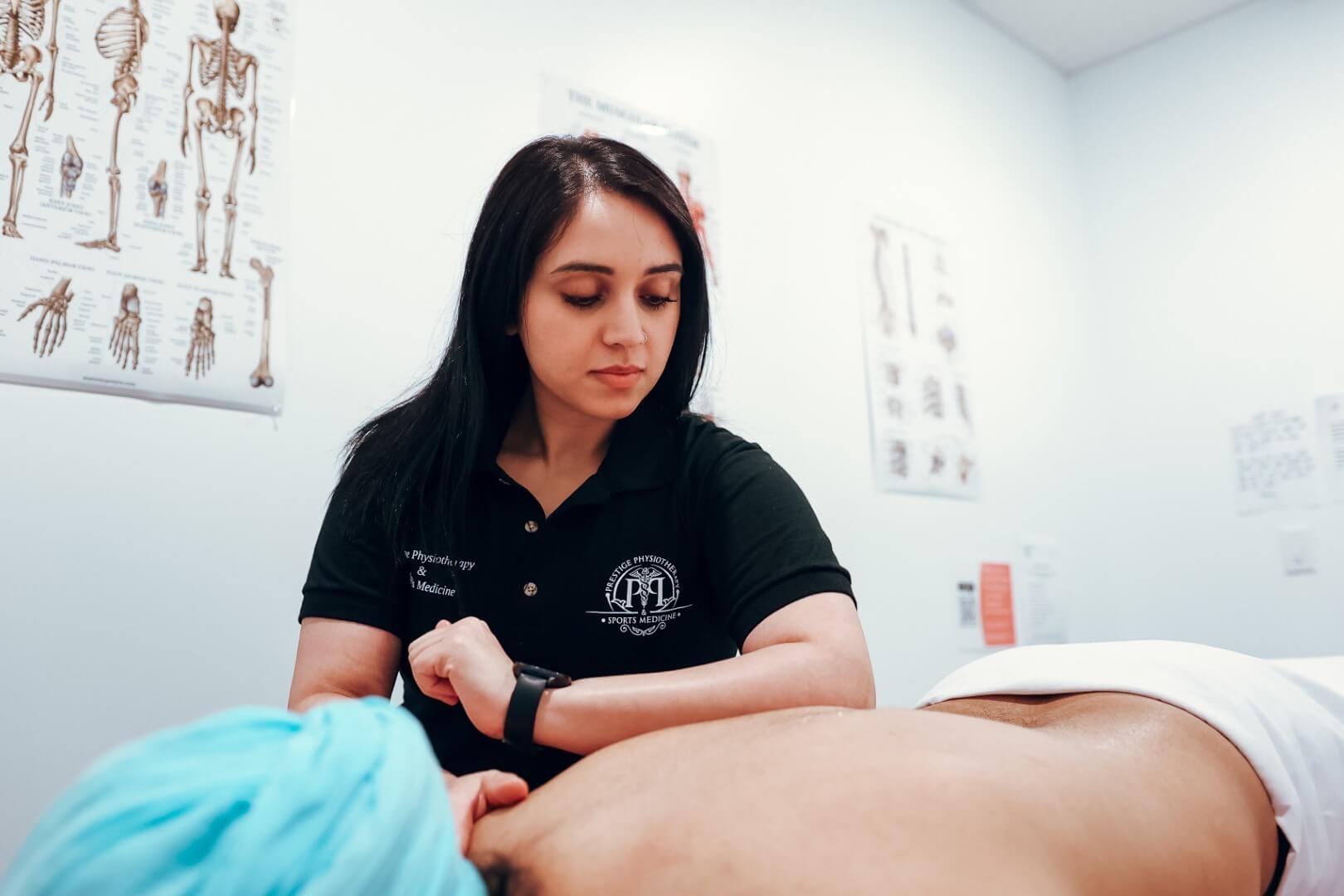
Registered massage therapy North York is a professional form of hands-on care that may help people manage certain muscle and soft-tissue concerns. It is commonly considered by people experiencing muscle tightness, stiffness, exercise-related soreness, or discomfort associated with repetitive physical activities. Registered Massage Therapists, or RMTs, are trained to assess clients and select treatment techniques according to their individual needs.
If you are considering registered massage therapy North York, knowing what happens during treatment and how to select a qualified therapist can help you make a better decision. RMT treatment generally begins with an assessment rather than immediately applying massage techniques. The therapist considers your symptoms, health history, daily activities, and goals before developing an appropriate approach.
Registered massage therapy focuses on the assessment and hands-on treatment of muscles and other soft tissues. An RMT may use techniques such as compression, kneading, stretching, friction, and other manual methods.
Treatment is not simply about applying strong pressure. The appropriate technique depends on the individual's condition, tolerance, treatment goals, and response during the session.
A relaxation massage generally focuses on comfort and general relaxation. Registered massage therapy has a more clinical focus and typically involves an assessment of the client's physical concerns.
An RMT may identify areas of muscular tension, restricted movement, or sensitivity and use that information to guide treatment. This does not mean every symptom requires massage. A responsible therapist should recognize when another form of healthcare assessment is more appropriate.
Massage therapy may be considered for several everyday musculoskeletal concerns.
Long periods at a computer, repetitive movements, and limited changes in posture can contribute to tension around the neck and shoulders. Treatment may focus on relevant muscles and surrounding soft tissues.
Massage can be complemented by regular movement breaks, appropriate workstation positioning, and exercises that support strength and mobility.
Some people seek massage when their back feels tight after sitting, standing, lifting, or performing repetitive physical tasks.
The cause of back discomfort can vary widely. Massage may be appropriate when muscular factors are involved, but persistent or unexplained back symptoms may require assessment by another healthcare professional.
Physical activity can cause temporary muscle soreness and stiffness. Athletes and recreational exercisers sometimes include massage in their recovery routines.
Massage should not be considered a substitute for appropriate injury care. Severe pain, significant swelling, substantial weakness, or major loss of movement should be evaluated properly.
Muscle stiffness can develop after inactivity, physical work, exercise, or maintaining the same position for long periods. If muscular tension is contributing to the problem, massage may improve comfort for some people.
The response varies from person to person, so treatment should be evaluated based on actual results rather than guaranteed expectations.
A typical appointment involves several stages.
The therapist will generally ask about your reason for seeking treatment. You should explain where the problem occurs, when it started, what affects it, and whether you have experienced similar symptoms before.
Relevant information about injuries, surgeries, medications, medical conditions, exercise, and work activities should also be shared.
The RMT may assess movement, range of motion, muscle tension, and areas of sensitivity. The exact assessment depends on the reason for your appointment.
This step helps the therapist determine whether massage is suitable and which areas may require attention.
The therapist may use one or several manual techniques. Pressure can vary depending on the treatment goal and your tolerance.
Effective treatment does not require you to tolerate unnecessary pain. Tell your therapist if pressure is excessive, if a technique causes sharp pain, or if you need a position changed.
Some people feel relaxed after massage, while others may notice temporary tenderness, particularly after deeper or more intensive treatment.
Depending on your situation, the therapist may recommend stretching, movement, activity modification, or other recovery strategies. Future appointments should be based on your needs and response to treatment.
A person with desk-related shoulder tension may require a different approach from someone experiencing tightness after running. An RMT can modify treatment according to the client's symptoms and goals.
This individualized approach is one reason an assessment is important.
Soft-tissue tension can sometimes make movement feel uncomfortable. Massage may help certain people experience improved comfort and easier movement.
However, restricted movement can also result from joint, neurological, structural, or other conditions. Massage is not appropriate as the sole treatment for every mobility problem.
Massage therapy can fit into a broader physical health routine. Regular exercise, strength training, mobility work, adequate recovery, and sensible training progression remain important.
For example, a recreational athlete may use massage to address muscular tightness while continuing an appropriate training and recovery program.
People whose jobs involve lifting, repetitive movements, prolonged standing, or prolonged sitting may experience recurring muscle tension. Massage can be one part of a strategy for managing physical demands.
Identifying the habits that contribute to recurring symptoms is equally important. Treatment is more useful when paired with practical changes where appropriate.
Selecting a therapist requires attention to professional qualifications and practical considerations.
Massage therapy is regulated in Ontario. Confirm that the practitioner is properly registered with the appropriate provincial regulatory organization.
This provides an important safeguard when choosing professional massage therapy services.
Consider whether the therapist has experience with concerns similar to yours. For example, someone seeking sports-related treatment may prefer an RMT who regularly works with active clients.
You can ask about the therapist's general treatment focus before booking.
Find out what the initial assessment includes, how long the appointment lasts, what the treatment costs, and whether the therapist provides a treatment plan when appropriate.
A clear explanation can help you understand what you are paying for and what to expect.
Some extended health insurance policies provide coverage for registered massage therapy. The requirements differ between insurers and individual plans.
Check whether your policy requires treatment from a registered professional, whether a physician referral is needed, and whether annual or per-visit limits apply.
Massage therapy is not appropriate for every health concern. Certain acute injuries, infections, unexplained symptoms, recent procedures, and medical conditions may require medical assessment before treatment.
Always provide your therapist with accurate health information. This includes relevant medications, injuries, surgeries, and health conditions.
Another important consideration is expectations. Massage may help certain muscular concerns, but it is not a cure for every type of pain. If symptoms persist, worsen, or significantly interfere with daily activities, seek appropriate healthcare advice.
Cost and appointment frequency should also be considered. A treatment schedule should be based on individual needs rather than the assumption that frequent massage is always better.
Registered massage therapy North York refers to professional massage care provided by a registered massage therapist in North York. Treatment generally involves an assessment followed by techniques selected according to the client's needs.
Massage may help some people manage muscle tension and improve perceived comfort. The effectiveness depends on the cause of the tension and the individual's response to treatment.
Session length varies by clinic and appointment type. Ask the clinic about available appointment durations before booking.
Yes. Provide information about relevant medications and health conditions. This information can help the therapist determine whether treatment should be modified or whether additional medical guidance is appropriate.
Many extended health plans offer some coverage for registered massage therapy, but policies differ. Confirm your specific benefits, limits, provider requirements, and referral rules before receiving treatment.
Registered massage therapy North York provides a professional approach to addressing certain muscle and soft-tissue concerns. An RMT assesses the client's needs before selecting appropriate techniques, which allows treatment to be more specific than a standard relaxation massage.
Choosing a properly registered therapist, providing complete health information, communicating during treatment, and maintaining realistic expectations are important parts of the process. Massage therapy can also complement exercise, ergonomic improvements, mobility work, and other appropriate healthcare services.
For people experiencing muscle tension, stiffness, or exercise-related soreness, understanding the purpose and limitations of RMT treatment can help them decide whether it fits their needs.