English
 Arabic
 French
 Spanish
 Portuguese
 Deutsch
 Turkish
 Dutch
Dutch
 Italiano
 Russian
 Romaian
 Portuguese (Brazil)
 Greek
Greek
Smart Snacking Habits for Busy People Who Want to Stay Active
Fitness |
2026-08-20 07:34:20
 Social Networth OS
 Creator Commerce
 Launch Startup
 Global News
 Creator Award
 Talkfever App
Смотреть все
Talkfever App
Смотреть все

Обновить до Про
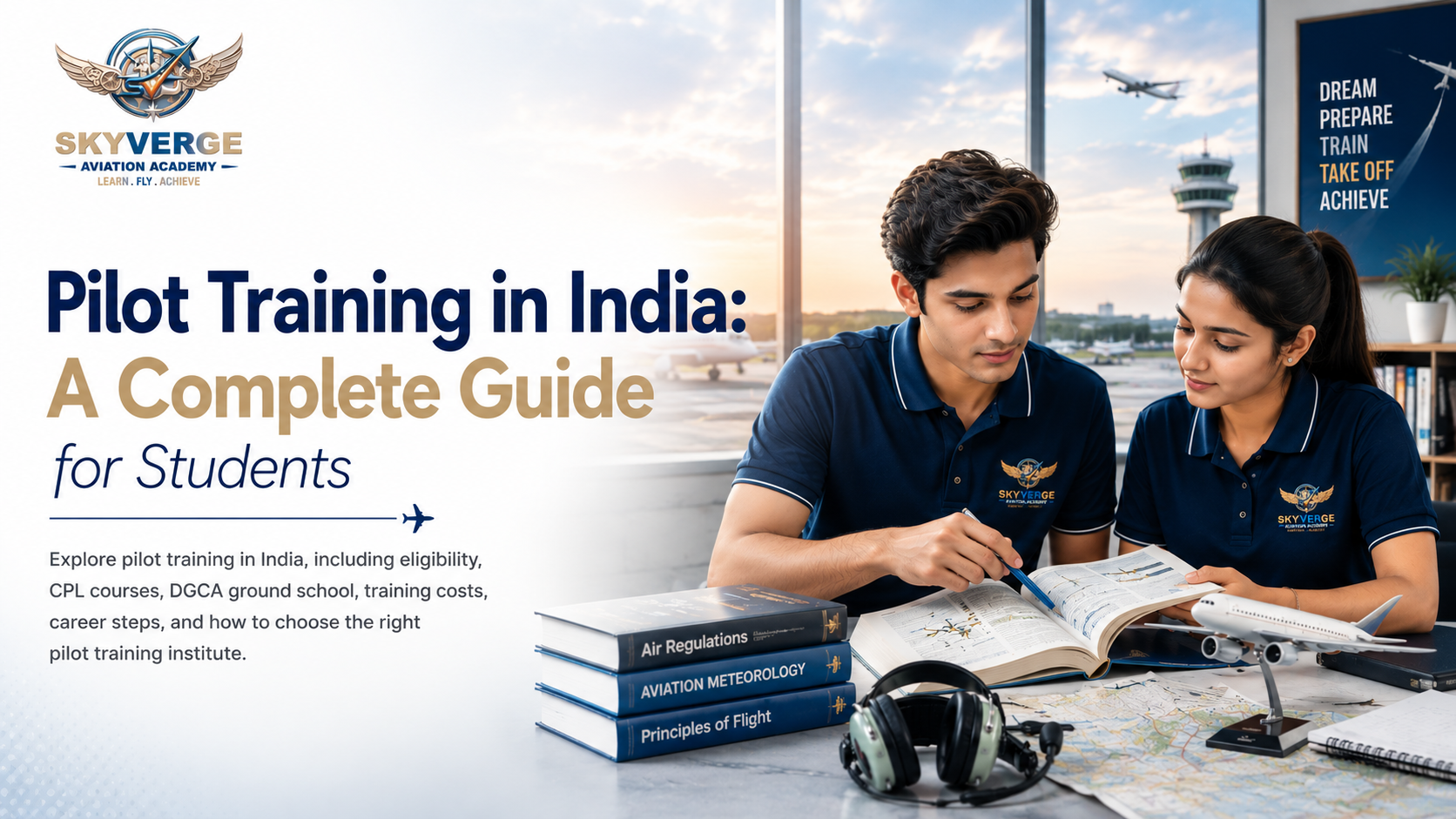
For many students, becoming a pilot is more than choosing a profession—it is a long-term career goal built around aviation, technology, responsibility, and a passion for flying. However, before stepping into a cockpit, students need to understand what pilot training actually involves and what they should expect throughout the journey.
India has a structured pathway for students who want to pursue professional flying. It includes meeting educational and medical requirements, completing theoretical studies, appearing for the required examinations, gaining practical flying experience, and obtaining the appropriate licence.
If you are currently in school, college, or considering aviation as a career after Class 12, understanding these steps can help you make better decisions about your future.
The first thing an aspiring pilot should do is understand the basic eligibility criteria. For students pursuing the commercial pilot pathway, completing Class 12 with Physics and Mathematics is an important educational requirement.
Students should also pay attention to English communication because aviation involves standardized communication between pilots, air traffic controllers, and other aviation professionals.
Medical fitness is another major consideration. Before making a significant investment in training, students should understand the applicable DGCA medical requirements and complete the relevant medical assessment.
Taking care of these requirements early can help students identify potential issues before beginning extensive training.
Pilot training is divided broadly into theoretical education and practical flight training.
The theoretical component helps students understand how aircraft operate and how pilots make decisions in different situations. Subjects can include aviation regulations, navigation, meteorology, aircraft systems, and other areas of aviation knowledge.
Practical training then allows students to apply that knowledge inside the aircraft. Under the supervision of qualified instructors, students gradually develop their flying skills and learn how to handle different phases of flight.
This combination is important because a professional pilot needs both technical knowledge and practical competence.
One of the most important academic stages for aspiring pilots is DGCA ground school.
Ground school gives students the theoretical foundation required for their aviation examinations and future flying activities. Instead of simply memorizing information, students should try to understand how different concepts are applied during actual flight operations.
Important areas of study can include:
Air Regulations
Air Navigation
Aviation Meteorology
Aircraft and Engines
Technical subjects
Communication procedures
Aviation safety and operational knowledge
Strong performance in ground studies can make practical training easier because students already understand the principles behind what they are being taught in the aircraft.
Students should therefore develop a consistent study routine from the beginning rather than waiting until examinations are approaching.
Selecting a training academy is one of the biggest decisions students will make during their aviation journey.
When searching for the Best pilot training institute in India, students should look beyond promotional claims. A good training organization should provide an environment where safety, quality instruction, regulatory compliance, and student development are given appropriate importance.
Before enrolling, students can compare:
Regulatory approvals and certifications
Training aircraft and their availability
Instructor qualifications and experience
Ground training facilities
Flight scheduling
Maintenance practices
Student-to-instructor ratios
Training records and documentation
Fee structure
Additional charges
Accommodation options, where applicable
Students should also speak with current or former trainees whenever possible. Their experiences can provide useful insights into scheduling, training quality, instructor support, and the overall learning environment.
The Commercial Pilot Course in India is designed for students who want to pursue professional flying. It combines academic preparation with practical flight experience and the requirements associated with obtaining a commercial pilot licence.
The exact training pathway can depend on the current regulatory requirements and the student's individual circumstances.
During training, students gradually learn fundamental and advanced flying skills. They may practice aircraft handling, take-offs, landings, navigation, communication, emergency procedures, and other operational skills under instructor supervision.
The process requires patience. Some students progress quickly while others need additional practice before becoming comfortable with particular flying skills.
There is nothing wrong with taking additional training when necessary. Aviation training should prioritize competence and safety rather than simply completing requirements as quickly as possible.
The financial aspect of pilot training deserves careful consideration. The Pilot training cost in India can vary considerably between training organizations and individual students.
Expenses may depend on the number of flying hours required, aircraft type, fuel costs, examination fees, accommodation, medical assessments, study materials, licensing expenses, and other charges.
Before joining a training academy, students and their families should request a detailed fee structure.
Ask specifically:
What does the quoted training fee include?
Are examination fees included?
Are medical expenses included?
What happens if additional flying hours are required?
Are accommodation and transportation included?
Are there separate licence or skill-test charges?
What other expenses should students expect?
Understanding these details beforehand can make financial planning much easier.
Books and classroom lessons can provide theoretical knowledge, but flying requires practical application.
During flight training, students learn to manage the aircraft while simultaneously monitoring instruments, communicating with air traffic control, maintaining situational awareness, and following established procedures.
This is why students should take every flight seriously. Preparing before each session, reviewing instructor feedback, and maintaining a record of areas that need improvement can accelerate learning.
Aviation rewards discipline. Small habits developed during student training can become important professional habits later.
Students researching aviation training options may also come across Skyverge Aviation Academy while exploring pilot training opportunities.
When considering any aviation academy, students should evaluate the complete training environment rather than choosing an institute solely because of its name. They should review the academy's current regulatory status, facilities, instructors, training aircraft, course structure, and applicable fees before making a final decision.
Skyverge Aviation Academy can be researched alongside other training options so that students can make an informed comparison based on their individual requirements.
The right academy should help students develop both theoretical understanding and practical skills while maintaining a strong focus on aviation safety and professionalism.
Preparation before enrollment can make the training journey smoother. Students can start by strengthening their understanding of mathematics and physics and improving their English communication skills.
They can also begin reading about aviation terminology, aircraft basics, weather, navigation, and air traffic procedures.
However, students should avoid relying entirely on random online information. Aviation regulations and licensing requirements can change, so important decisions should be based on current information from appropriate regulatory and training sources.
Financial planning should also begin early. Pilot training can represent a significant investment, and students should have a realistic understanding of the total expected expenditure.
Students who meet the applicable educational, medical, and regulatory requirements can begin their professional pilot training pathway after Class 12.
For the commercial pilot pathway in India, Physics and Mathematics at the required educational level are generally important. Students should verify the current DGCA requirements before enrollment.
Ground studies can be challenging because students need to understand several technical subjects. Regular study and proper instruction can make the subjects considerably easier to manage.
No. Training duration can vary because of weather, aircraft availability, individual performance, examination progress, and the number of flying hours a student requires.
No. Cost is important, but it should not be the only deciding factor. Students should compare safety standards, training quality, aircraft availability, instructors, facilities, and the complete fee structure.
Obtaining a commercial pilot licence is an important milestone, but students pursuing an airline career may need additional qualifications, ratings, experience, assessments, and airline-specific requirements.
Aviation offers opportunities beyond becoming an airline pilot. With appropriate qualifications and experience, aviation professionals can explore different career paths within the industry.
However, students who specifically want to become professional pilots should focus first on building a strong foundation. The early stages of training establish the knowledge, discipline, decision-making ability, and safety awareness required later in an aviation career.
Becoming a pilot is a serious commitment, but for students who genuinely enjoy aviation and are willing to work consistently, it can become a rewarding professional journey.
The best approach is to start with accurate information, understand the licensing pathway, prepare for DGCA ground school, compare training academies carefully, and create a realistic financial plan.
Whether you eventually choose Skyverge Aviation Academy or another suitable training organization, your priority should always be quality education, safe flying practices, and developing the skills expected of a professional pilot.