 English
 Arabic
 French
 Spanish
 Portuguese
 Deutsch
 Turkish
 Dutch
Dutch
 Italiano
 Russian
 Romaian
 Portuguese (Brazil)
 Greek
Greek
How Will the High-Efficiency PV Market Advance Renewable Energy Adoption Through 2034?
Music |
2026-06-11 11:55:25
 Social Networth OS
 Creator Commerce
 Launch Startup
 Global News
 Creator Award
 Talkfever App
Alle anzeigen
Talkfever App
Alle anzeigen

Upgrade auf Pro
A commercial building has to work well every day. Employees need clean work areas, customers expect a professional environment, and facility managers need to keep daily operations moving without constant interruptions. When basic maintenance is overlooked, even small issues can affect the way people experience a property.
Keeping a commercial facility in good condition takes more than occasional cleaning. It requires a planned approach that considers the building, its occupants, traffic levels, operating hours, and changing maintenance needs.
That is why many businesses turn to commercial facility services to manage essential cleaning and maintenance responsibilities. A coordinated approach can help companies maintain their properties while allowing internal teams to focus on their primary responsibilities.
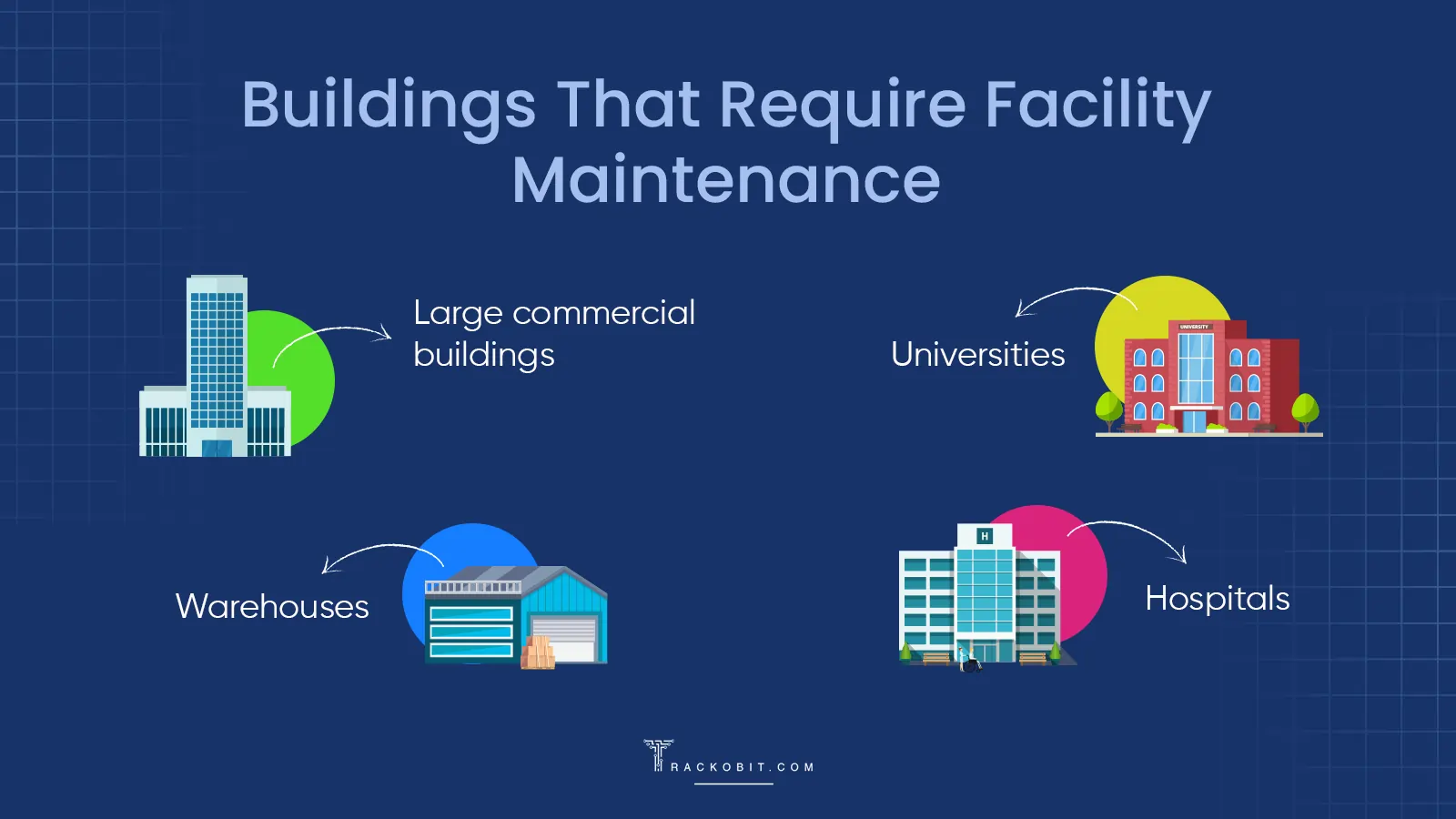
Commercial properties are used differently from residential spaces. Offices may have employees arriving and leaving throughout the day. Retail locations can experience constant customer traffic. Schools, healthcare facilities, warehouses, and industrial buildings each have their own requirements.
Because of this, facility maintenance needs to be practical rather than one-size-fits-all.
A property that looks clean in the morning can quickly need attention after several hours of heavy use. Restrooms, entrances, kitchens, elevators, hallways, and other shared areas may require more frequent service than private spaces.
A planned maintenance program helps businesses identify these differences and allocate resources where they are most needed.
People notice the condition of the spaces around them.
Employees may feel more comfortable working in an environment where common areas are maintained consistently. Visitors may also form an impression of a business based on its reception area, restrooms, floors, and overall appearance.
Cleanliness is not a substitute for good management or a strong workplace culture. However, it is one part of the physical environment that businesses can control.
A consistent cleaning routine can reduce visible dirt, manage everyday waste, and help shared areas remain ready for use.
Some parts of a commercial property naturally require additional attention.
Consider a building entrance. Every person entering the property can bring in dust, dirt, moisture, or debris. During busy periods, that buildup can happen quickly.
The same applies to elevators, corridors, reception desks, restrooms, break rooms, and other shared spaces.
Instead of cleaning every area at exactly the same frequency, facility managers should consider actual usage.
For buildings that remain active throughout the day, day porter services can provide an additional layer of support. These services can help maintain common areas during operating hours, address routine cleanliness concerns, and keep public-facing spaces presentable while the facility remains open.
Flooring often receives more wear than most other surfaces in a commercial building.
Thousands of footsteps can gradually affect carpets and hard flooring. Dirt can become embedded in carpet fibers, while hard surfaces can lose their appearance over time.
Routine sweeping and mopping are important, but they may not be enough to address deeper wear.
Professional carpet and floor reconditioning can provide more specialized care when flooring needs additional attention. The appropriate treatment depends on the material, condition, and type of facility.
Regular floor maintenance can also help businesses protect an investment that would otherwise be expensive to replace.
A reliable cleaning schedule creates accountability.
Without one, some tasks may be completed inconsistently while others are forgotten. Facility managers may then spend time responding to complaints instead of managing the property proactively.
A good schedule should identify:
Areas that require daily cleaning
Spaces that need attention during operating hours
Tasks that can be completed weekly or monthly
Periodic deep-cleaning requirements
Specialized maintenance needs
Procedures for unexpected cleaning problems
The schedule should also be flexible. A facility's requirements can change because of events, seasonal conditions, renovations, staffing changes, or increases in occupancy.
Facility responsibilities can take considerable time when they are handled entirely in-house.
Employees who already have operational responsibilities may not have the training, equipment, or time needed for specialized facility work.
Outsourcing appropriate services can allow internal teams to concentrate on their core duties.
For example, an office operations team can focus on supporting employees and managing workplace logistics instead of coordinating every routine cleaning task. A property manager can spend more time addressing tenant needs and building operations rather than constantly arranging individual maintenance requests.
The value comes from creating a clear division of responsibilities.
The best facility program starts with an assessment.
A provider should understand the property's size, layout, occupancy, operating schedule, and traffic patterns. It should also consider the types of surfaces and areas that require specialized care.
For example, a multi-floor office may require a different cleaning schedule from a warehouse. A healthcare environment may have more specific cleaning requirements than a standard commercial office.
Businesses should avoid selecting services based solely on a generic package.
Instead, they should ask whether the proposed service plan addresses the actual conditions of the property.
Even excellent cleaning work can become frustrating when communication is poor.
Facility managers need to know when services will be performed, who is responsible for specific tasks, and how urgent issues will be handled.
A dependable service relationship should include clear communication about:
Service schedules
Changes to building access
Special cleaning requests
Quality concerns
Unexpected facility issues
Adjustments to service frequency
Regular communication also helps identify recurring problems.
If the same issue appears repeatedly, the solution may not be another one-time cleaning. The facility may need a different schedule, additional coverage, or a specialized service.
Facility maintenance should not always be reactive.
Waiting until a problem becomes obvious can make it harder and more expensive to address. Preventive care focuses on maintaining the property before small issues become major concerns.
Regular inspections can help identify worn flooring, neglected areas, damaged surfaces, or recurring cleanliness problems.
This approach is especially useful for large properties where small issues can easily go unnoticed.
A proactive plan also gives facility managers better visibility into where maintenance resources are being used.
Price is important, but it should not be the only consideration.
Businesses should evaluate whether a provider can deliver consistent service and respond to the specific requirements of the property.
Before making a decision, consider the following:
Look for experience working with commercial properties similar to yours. Different environments have different challenges, so relevant experience matters.
Ask how employees are trained and how service quality is monitored. A clear supervision process can help maintain consistent standards.
Your facility may change over time. The provider should be able to adjust schedules or services when occupancy, operating hours, or property requirements change.
There should be an easy way to report issues and request changes. Clear communication prevents minor concerns from becoming ongoing problems.
A provider with complementary services may simplify facility management by reducing the number of vendors a business has to coordinate.
A successful facility strategy does not necessarily mean doing more. It means doing the right things consistently.
Start by reviewing the building from the perspective of the people who use it.
Which areas become dirty first? Where do employees or visitors spend the most time? Which surfaces receive the most wear? Are there recurring complaints? Which tasks are difficult for internal employees to manage?
The answers can help shape a more practical service plan.
Businesses can then establish priorities and determine how frequently each area needs attention.
A clean and functional facility can contribute to a better experience for employees, customers, visitors, and other occupants.
It can also help businesses maintain a professional image and protect physical assets through regular care.
However, facility management should be viewed as an ongoing process rather than a one-time improvement project.
Buildings change. Occupancy changes. Surfaces wear down. Business needs evolve.
A service plan that works today may need adjustments later. Regular reviews can help ensure that facility support remains aligned with actual requirements.
Maintaining a commercial property requires more planning than simply scheduling someone to clean it once a day. Different spaces have different needs, and those needs can change throughout the year.
A structured approach can help businesses manage routine cleaning, high-traffic areas, floor care, and other facility responsibilities more effectively.
The goal is simple: create a workplace that remains clean, functional, and ready for the people who use it every day.
Businesses that take the time to assess their facilities, establish realistic schedules, communicate expectations, and review service quality are better positioned to maintain consistent standards. About CFS can be part of that approach by helping businesses address their commercial facility needs through coordinated service support.
Ultimately, effective facility care is about consistency. When cleaning and maintenance become part of a clear operational strategy, businesses can spend less time reacting to avoidable problems and more time focusing on the work that matters most.


