English
 Arabic
 French
 Spanish
 Portuguese
 Deutsch
 Turkish
 Dutch
Dutch
 Italiano
 Russian
 Romaian
 Portuguese (Brazil)
 Greek
Greek
Vale Forever Creating Fresh Streetwear Looks Through Smart Styling
Shopping |
2026-08-20 09:30:42
 Social Networth OS
 Creator Commerce
 Launch Startup
 Global News
 Creator Award
 Talkfever App
Tout voir
Talkfever App
Tout voir

Mise à niveau vers Pro
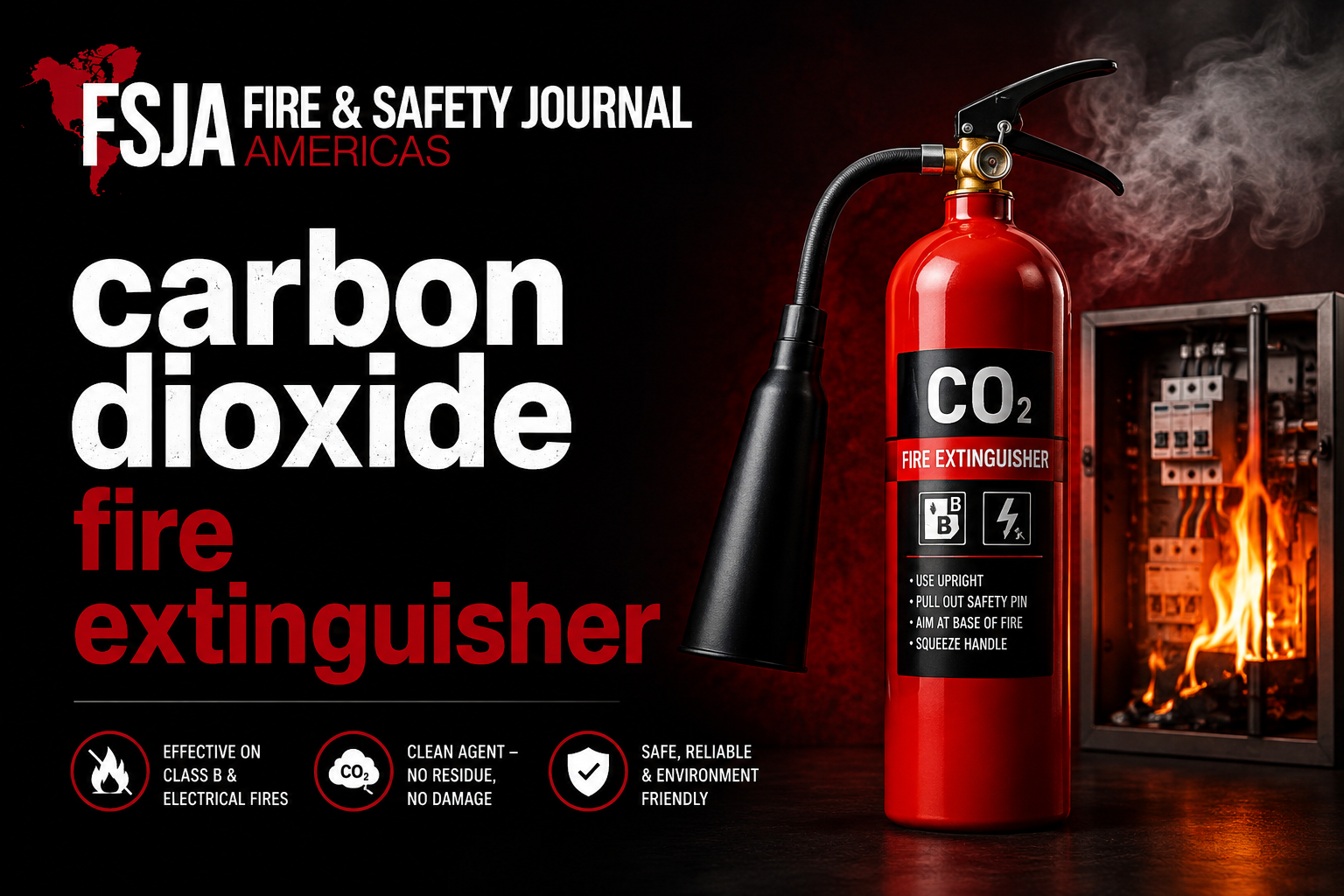
Carbon dioxide extinguishers are widely used for specific fire risks, particularly electrical equipment and certain flammable liquids. However, choosing the wrong extinguisher, using it incorrectly, or overlooking basic safety precautions can increase risk during an emergency.
Knowing the common mistakes associated with CO₂ extinguishers helps employees, facility managers, and other users make safer decisions. It is equally important to understand when an extinguisher should not be used and when evacuation is the safer option.
A CO₂ extinguisher contains carbon dioxide under pressure. When activated, the gas is released through the discharge horn, reducing the oxygen concentration around the flames and interrupting combustion.
The discharge is also extremely cold, providing a limited cooling effect. Unlike water or dry chemical agents, it leaves little to no residue, making it suitable for certain electrical equipment where cleanup can be a concern.
A carbon dioxide fire extinguisher does not provide strong, lasting cooling for many ordinary combustible materials. Once the gas disperses, heated materials may reignite, which is why choosing the correct extinguisher for the specific fire is essential.
CO₂ extinguishers can be effective when used correctly, but several mistakes can reduce their effectiveness or create additional hazards. Understanding these errors is an important part of workplace fire preparedness.
One of the most serious mistakes is assuming that CO₂ can extinguish every type of fire. It is generally intended for suitable Class B fires and electrical equipment fires, depending on the applicable classification system.
Using it on burning wood, paper, cloth, or other ordinary combustibles may fail to remove the heat source. Even if the flames temporarily disappear, the material can remain hot and reignite.
Class A fires involve ordinary combustible materials such as wood, paper, and textiles. CO₂ is generally not the preferred extinguishing agent for these fires because it provides limited lasting cooling.
For example, if a waste-paper container catches fire, CO₂ may suppress the visible flames temporarily while the material continues smoldering. A suitable Class A extinguisher is normally required instead.
The discharge horn becomes extremely cold when CO₂ is released. Holding the wrong part of the horn or placing bare skin near the discharge can result in a cold injury.
Users should follow the manufacturer's handling instructions and avoid touching areas that become dangerously cold during discharge.
Getting too close to flames exposes the user to heat, smoke, and unexpected fire behavior. It can also make it difficult to retreat if the fire suddenly grows.
The extinguisher should be operated from an appropriate distance while maintaining a clear escape route. The exact operating distance depends on the extinguisher design and manufacturer's instructions.
Carbon dioxide can displace oxygen. In a small or poorly ventilated room, a significant release can create an unsafe atmosphere.
For example, discharging an extinguisher inside a small equipment room may suppress the fire but also increase the concentration of CO₂. People should leave the area if conditions become unsafe and should not remain in a confined space unnecessarily.
A damaged or poorly maintained extinguisher may not operate as expected. Before an emergency occurs, personnel responsible for fire equipment should check for obvious damage, corrosion, missing components, or signs of previous discharge.
Inspection requirements should follow applicable regulations, standards, and manufacturer instructions.
CO₂ can quickly suppress flames, but suppression does not always mean the heat source has been eliminated. Some materials may remain hot after the visible flames disappear.
After discharge, users should not approach a potentially dangerous area simply to check whether the fire has completely gone out. If there is any concern about re-ignition, evacuation and professional emergency response are safer options.
A cylinder with serious corrosion, dents, damaged components, or other defects should not be treated as ready for emergency use.
Fire extinguishers are pressure equipment, so repairs and servicing should be handled by appropriately qualified personnel rather than through improvised fixes.
An extinguisher should only be used when the fire is small, the correct extinguisher is available, and the person using it has a safe way to escape. Personal safety should always come before property protection.
Safe use also depends on proper storage, inspection, and awareness of the surrounding environment. These precautions can reduce avoidable risks before and during an emergency involving a CO₂ extinguisher.
Avoiding common mistakes can make portable fire extinguishers more useful and reduce unnecessary risks during an emergency. The key is to understand the fire hazard, select appropriate equipment, inspect it regularly, and use it only when conditions allow for a safe response.
CO₂ extinguishers are valuable for certain fire hazards, but they have limitations that should never be overlooked. Proper training, routine maintenance, clear evacuation procedures, and good fire prevention practices remain essential. Fire and Safety Journal Americas offers industry-focused perspectives that can support continued awareness of fire and workplace safety.
Yes, CO₂ is commonly suitable for certain electrical equipment fires because it is non-conductive and does not leave a powder or liquid residue. The specific equipment and fire conditions should still be considered.
They are generally not the preferred option for Class A fires involving materials such as wood, paper, and textiles because these materials can retain heat and reignite.
Extra caution is necessary because released CO₂ can accumulate and reduce the available oxygen. If conditions become unsafe, occupants should evacuate rather than remain inside to fight the fire.
Evacuate immediately, close doors if safe to do so, raise the alarm, and contact the appropriate emergency services. Do not continue fighting a fire that is growing or becoming unsafe.