English
 Arabic
 French
 Spanish
 Portuguese
 Deutsch
 Turkish
 Dutch
Dutch
 Italiano
 Russian
 Romaian
 Portuguese (Brazil)
 Greek
Greek
MmoexpThe Most OP Starter Builds in Diablo 4 Season 14
Shopping |
2026-06-30 00:56:45
 Social Networth OS
 Creator Commerce
 Launch Startup
 Global News
 Creator Award
 Talkfever App
Ver Todos
Talkfever App
Ver Todos

Atualize para o Pro
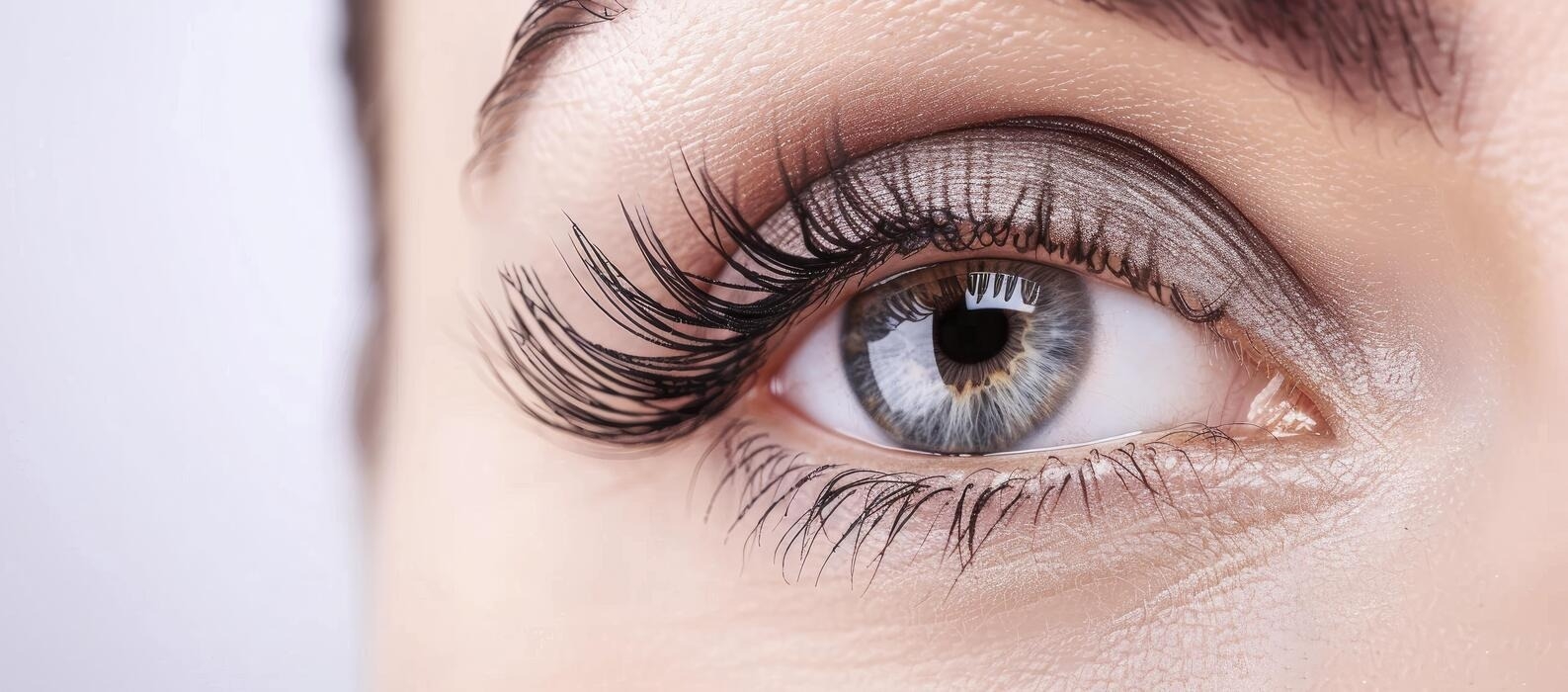
Lash growth after a transplant is a gradual biological process rather than an immediate cosmetic change. Patients considering Eyelash Hair Transplant in Dubai should understand that newly transplanted follicles need time to adapt to their new location before producing visible, mature lashes. The early recovery period may therefore look very different from the final result.
An eyelash transplant typically involves moving carefully selected hair follicles from a donor area to the eyelid region. Because donor hair naturally follows its own growth cycle, the transplanted follicles may initially behave differently from native eyelashes. Some transplanted hairs can shed after the procedure, while the follicles remain healthy beneath the skin and later enter a new growth phase.
The final appearance depends on several factors, including follicle survival, placement, the natural characteristics of the donor hair, healing, and ongoing aftercare. Patients should also recognize that transplanted hair can retain some characteristics of its original location, meaning it may continue growing longer or at a different rate than natural lashes.
Understanding these stages can help patients maintain realistic expectations and avoid judging the outcome too early. Consistent follow-up and appropriate postoperative care are important throughout the growth process.
Hair does not grow continuously at the same rate. Each follicle passes through different phases, including active growth, transition, and resting or shedding periods. Transplanted follicles must establish themselves in their new environment before they can produce consistent growth.
During the initial weeks, some transplanted hairs may shed. This can be concerning for patients who expect the visible hairs to remain permanently, but shedding does not necessarily mean that the follicle has failed. The follicle itself can remain beneath the skin and subsequently begin another growth cycle.
New growth generally becomes more noticeable gradually rather than appearing all at once. The timing varies between individuals, so comparing one's progress with another patient's timeline can be misleading.
The early phase is primarily focused on healing and follicular adaptation. The eyelid area can be delicate after transplantation, and temporary swelling, redness, or sensitivity may occur depending on the procedure and individual healing response.
Patients should follow the postoperative instructions provided by their qualified medical professional. Rubbing, scratching, pulling, or unnecessarily touching the treated area can interfere with healing.
Once the follicles begin producing new hairs, the initial strands may appear fine or uneven. This is not necessarily an indication of the eventual thickness or appearance of the lashes. Hair characteristics can change as follicles mature.
One of the most important considerations is the origin of the transplanted follicles. Hair follicles taken from another part of the body retain many of their original characteristics. Consequently, transplanted eyelash hairs may have a longer growth cycle than native lashes.
This can mean that patients may need regular trimming to maintain an eyelash-like appearance. The direction, thickness, texture, and rate of growth can also vary.
The objective of transplantation is not simply to place hair around the eyelid. Precise positioning is important for creating an appearance that complements the natural lash line. The angle and direction of implantation can influence how the lashes sit once they grow.
There is no single timeline that applies to every patient. Follicular response, individual hair biology, healing, donor-hair characteristics, and postoperative care can all influence the rate of visible growth.
Some patients may notice early changes relatively soon, while others require considerably more time before the transplanted hairs become established. Early shedding can also temporarily make the results appear less noticeable.
Patients should evaluate progress over an extended period rather than expecting the final appearance within the first few weeks. Follow-up appointments can help a medical professional assess healing and determine whether growth is progressing appropriately.
Aftercare plays an important role in protecting the transplanted follicles during recovery. Patients should carefully follow the instructions provided after their procedure, particularly regarding cleansing, touching the eyelid area, physical activity, and the use of cosmetic products.
Eye-area hygiene is especially important because the eyelids are sensitive and located close to the eyes. Patients should avoid introducing unapproved products or treatments to the area without professional guidance.
If significant pain, increasing swelling, unusual discharge, persistent bleeding, vision changes, or other concerning symptoms occur, prompt medical assessment is appropriate.
Several factors can affect the eventual cosmetic outcome. These include the quality and characteristics of the donor follicles, the number of grafts used, placement technique, follicular survival, individual healing, and the natural anatomy of the eyelids.
The surgeon's understanding of lash direction is also important. Natural eyelashes do not all emerge at exactly the same angle. A carefully planned placement pattern can help create a more natural-looking distribution.
Patient expectations also matter. Transplanted lashes may require ongoing grooming because donor hair can continue growing according to its original biological characteristics.
Patients should verify that the medical professional performing the procedure has appropriate qualifications and experience with hair restoration involving delicate facial areas. Eyelid anatomy requires particular attention because the treatment takes place close to the eyes.
During consultation, patients can ask which transplantation technique is recommended and why. The technique should be selected according to the individual's anatomy, donor supply, goals, and expected follicular requirements rather than based solely on marketing terminology.
A reputable medical setting should follow appropriate infection-control procedures and maintain suitable standards for surgical and postoperative care. Patients should also receive clear instructions about warning signs and follow-up.
A detailed consultation should cover medical history, previous procedures, expectations, donor-hair characteristics, eyelash anatomy, and potential limitations. A good consultation should also explain that results cannot be guaranteed with absolute precision.
Patients should understand the complete treatment journey, including preparation, procedure, recovery, shedding, growth, grooming, and follow-up. Clear communication can make the process easier to manage and reduce unrealistic expectations.
The objective should be a natural-looking improvement rather than an artificially dense lash line. Patients should discuss the desired density, direction, length, and overall appearance before treatment.
Visible growth varies between patients. Transplanted hairs can initially shed before the follicles enter a new growth cycle. Noticeable maturation generally takes time, so early results should not be considered final.
Temporary shedding can occur after transplantation. The visible hair may fall while the follicle remains beneath the skin and later produces new growth. Patients should discuss unexpected or prolonged shedding with their treating professional.
Not necessarily. Because transplanted follicles generally retain characteristics from their donor area, they may grow longer or at a different rate than native eyelashes. Regular grooming may therefore be necessary.
The final direction is influenced by how the follicles are positioned during transplantation and how they grow during maturation. Individual hair behavior can also affect the final appearance.
Patients should avoid judging the outcome during the early recovery period. Growth and maturation take time, and the appearance can change substantially as the transplanted follicles establish their new growth cycle.
Lash growth following transplantation is a progressive process that requires patience and appropriate aftercare. Temporary shedding, uneven early growth, and differences in hair characteristics can all occur before the transplanted follicles reach a more established stage. Anyone considering Eyelash Hair Transplant should therefore focus on realistic expectations, careful medical assessment, appropriate technique, and long-term follow-up rather than immediate visual changes. Understanding how transplanted follicles grow and mature can help patients approach the procedure with a clearer picture of the recovery journey and the factors that influence the eventual lash appearance.