English
 Arabic
 French
 Spanish
 Portuguese
 Deutsch
 Turkish
 Dutch
Dutch
 Italiano
 Russian
 Romaian
 Portuguese (Brazil)
 Greek
Greek
Free Fall Sensor Market Size, Growth Report, 2032
Other |
2025-04-08 10:43:44
 Social Networth OS
 Creator Commerce
 Launch Startup
 Global News
 Creator Award
 Talkfever App
Afiseaza-i pe toti
Talkfever App
Afiseaza-i pe toti

Upgrade to Pro
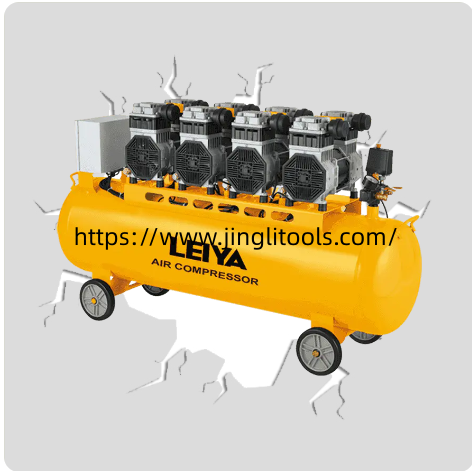
Air Compressor Machine selection should begin with the way a workshop actually operates. Buyers should consider the tools being used, required pressure, expected output, storage capacity, operating schedule, electrical supply, workspace, noise, and maintenance arrangements before selecting a suitable model. Every workshop has its own workflow, so equipment should be evaluated according to specific working conditions rather than a general assumption about size or performance. A careful assessment before purchasing can also make communication between the buyer and manufacturer much easier.
Start With the Daily Workload
The first question buyers should ask is how the equipment will be used during a normal working day. Some workshops may operate pneumatic tools for short periods, while others may require repeated operation throughout the day.
Write down the main applications and estimate how frequently each tool is used. Include impact tools, spray equipment, cleaning tools, nailers, inflation devices, and other pneumatic equipment where applicable.
This simple list can reveal whether the workshop has occasional demand or a more continuous requirement. It also gives the manufacturer useful information when discussing different configurations.
Determine the Required Pressure
Pressure requirements should be based on the tools connected to the system. Each pneumatic device may have a recommended operating range, and buyers should make sure the selected equipment can support those requirements under normal working conditions.
Do not evaluate pressure only by looking at the maximum number shown on a specification sheet. The more useful question is whether the equipment can maintain suitable working conditions while the connected tools are operating.
Buyers should provide the supplier with information about the tools and their operating requirements. This makes technical discussions more specific and reduces uncertainty during product selection.
Consider Output and Usage Patterns
Output capacity should correspond with actual consumption. A workshop using a single tool intermittently may not require the same configuration as a facility operating several devices.
If multiple tools may be used together, estimate their combined consumption. Also consider whether the equipment will need to recover between operating cycles.
A realistic usage assessment can prevent two common purchasing problems: selecting insufficient capacity for the intended workload or choosing a much larger configuration than necessary.
The objective is to create a reasonable match between equipment capacity and workshop demand.
Think Carefully About Storage Capacity
The receiver tank provides stored compressed gas for changing demand. Buyers should consider its capacity together with output, pressure, and operating frequency.
Storage volume can influence how the system responds when a tool starts or stops. However, a larger tank does not replace the need for suitable output capacity.
Before ordering, consider the duration of typical work cycles and how frequently pressure changes occur. Workshops with short intermittent applications may have different storage requirements from facilities with repeated pneumatic operations.
Check the Electrical Environment
The workshop electrical supply must correspond with the selected configuration. Buyers should confirm voltage, frequency, input rating, plug arrangement, and available electrical capacity before purchasing.
This is particularly important for international orders. The same product category can include different electrical configurations for different markets.
The installation location should also have appropriate access to electrical connections. Cable routing should be planned so that it does not interfere with normal workshop movement or maintenance activities.
Examine Size, Weight, and Mobility
Physical characteristics can affect everyday usability. Before choosing a model, measure the available installation area and consider equipment dimensions, weight, wheels, handles, and access for servicing.
A fixed workstation may allow a larger configuration, while a mobile maintenance team may prefer equipment that can be moved between different locations.
Buyers should think beyond delivery day. The equipment needs to be positioned, operated, inspected, cleaned, and serviced throughout its working life. Adequate space can make these activities easier.
Consider Noise and Workplace Conditions
Noise may be an important purchasing factor when equipment operates close to employees. Workshops with enclosed rooms may have different requirements from facilities with larger production areas.
Buyers should review the stated sound level and consider the distance between the equipment and operators.
Temperature, dust, ventilation, and humidity should also be considered. A suitable installation area should allow sufficient ventilation and provide convenient access for inspection.
Review Oil-Free Requirements
Some applications may require a configuration without lubricating oil in the compression process. Buyers should determine whether this characteristic is relevant to their particular work.
An oil-free design can simplify certain operational requirements, but it does not remove the need for maintenance. Filters, electrical components, connections, cooling areas, and other parts still need regular inspection.
Buyers should ask about cleaning procedures, replacement components, recommended service intervals, and storage conditions before placing an order.
Check Connections and Accessories
Compatibility between the main equipment and workshop accessories should be confirmed before purchase. Hoses, fittings, regulators, filters, connectors, and other components can affect the overall setup.
If the workshop already has an established pneumatic system, buyers should provide the manufacturer with information about existing connections.
For distributors, accessory information can also help with inventory planning. Knowing which components are supplied and which need to be purchased separately can make customer communication clearer.
Ask About Long-Term Service
Purchasing should not end when the equipment is delivered. Buyers should ask about replacement parts, warranty arrangements, technical documentation, inspection procedures, and service support.
For businesses operating several units, spare component availability can be useful for maintenance planning. Clear documentation can also help technicians understand inspection procedures and routine care.
A manufacturer that provides detailed product information can make communication easier from initial inquiry through later maintenance.
Match the Model With the Workshop
A small repair shop, factory maintenance department, automotive workshop, and production facility may have very different requirements. Equipment selection should therefore reflect the actual application rather than simply following a general size category.
jinglitools provides different configurations for workshop and industrial applications. Buyers can compare specifications according to their pneumatic tool requirements, workload, electrical conditions, installation space, and maintenance plans.
For businesses preparing a purchase, reviewing the available product categories and technical information can provide a useful starting point. Visit the https://www.jinglitools.com/product/ to review available equipment and compare configurations according to your workshop conditions, application requirements, and purchasing plans.