English
 Arabic
 French
 Spanish
 Portuguese
 Deutsch
 Turkish
 Dutch
Dutch
 Italiano
 Russian
 Romaian
 Portuguese (Brazil)
 Greek
Greek
Spectral Broadening Module Market: Market Size, Competitive Analysis and Trends 2026-2034
Other |
2026-05-19 09:22:29
 Social Networth OS
 Creator Commerce
 Launch Startup
 Global News
 Creator Award
 Talkfever App
Mostra tutti i risultati
Talkfever App
Mostra tutti i risultati

Passa a Pro
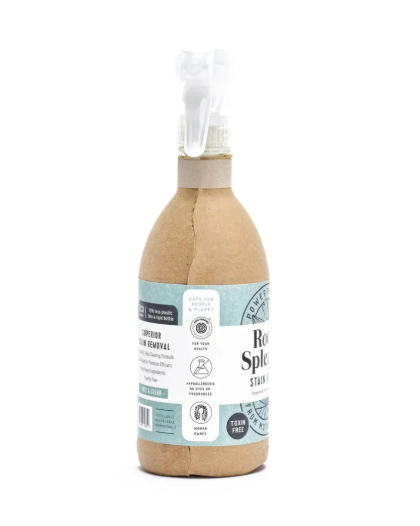
Stains are an unavoidable part of everyday life, appearing on clothing, upholstery, table linens, carpets, and other household fabrics through spills, food, drinks, dirt, and routine use. A stain remover spray can provide a convenient way to treat marks before they become more difficult to remove. Instead of immediately replacing a stained item or relying on aggressive scrubbing, consumers can use a targeted cleaning solution designed for specific types of residue. The growing interest in practical cleaning products reflects a broader demand for convenient household solutions that save time while helping people maintain clothing and furnishings for longer.
The appeal of a stain remover spray extends beyond convenience. Modern consumers are increasingly interested in products that combine effective cleaning with thoughtful ingredients, manageable packaging, and responsible consumption habits. Families may need a reliable solution for everyday spills, while hospitality businesses, offices, restaurants, and professional cleaners may require products that can be applied quickly during busy routines. Choosing the right formula involves understanding the stain, identifying the fabric, following appropriate application instructions, and considering how the product fits into a wider approach to household maintenance and reduced waste.
Different stains contain different substances, which means no single cleaning approach is equally effective against every mark. Food stains, grease, protein-based residues, colored beverages, and outdoor dirt can interact differently with fabric fibers. Cleaning formulas may use ingredients designed to loosen, dissolve, lift, or suspend these substances so they can be removed more easily during washing or rinsing. The sooner a stain is treated, the better the chance of preventing it from becoming deeply embedded, although the exact results depend on the material and type of residue involved. A spray format can be convenient because it allows users to apply a controlled amount directly to the affected area. However, more product does not necessarily mean better results. Applying an appropriate amount and giving the formula enough time to work according to its instructions can be more effective than repeatedly saturating the fabric.
Before applying any cleaning solution, users should identify the material they are treating. Cotton, synthetic fabrics, wool, upholstery, delicate blends, and specialty textiles can respond differently to cleaning products. A formula suitable for a durable washable garment may not be appropriate for a delicate fabric or a surface with a sensitive finish. Colorfastness is another important consideration because some treatments can affect dyes or finishes if used incorrectly. When there is uncertainty, testing the product on a small, inconspicuous area can provide an additional precaution before treating a visible section. Consumers should also pay attention to care labels and product instructions rather than assuming that every stain remover is suitable for every textile. Matching the cleaning product to the material helps reduce the risk of discoloration, weakening, or other unwanted changes while improving the likelihood of achieving a satisfactory result.
Effective stain treatment begins with removing excess material where possible without spreading the stain further. For liquid spills, gently blotting can help absorb some of the substance before treatment, while solid residue may need to be carefully lifted from the surface. The cleaning product should then be applied according to its instructions, focusing on the affected area rather than unnecessarily saturating surrounding fabric. Allowing the formula to remain for the recommended period can help loosen the stain before washing or wiping. Aggressive rubbing should generally be avoided when it could push the residue deeper into the fibers or damage the surface. After treatment, the item should be washed, rinsed, or wiped as directed. If the stain remains, repeating an appropriate treatment may be preferable to using excessive force. Heat should also be considered carefully because drying or ironing some stained fabrics before the residue is fully removed can make certain marks more difficult to eliminate.
Identifying the type of stain can help users choose a more suitable cleaning product and technique. Greasy marks may require a formula capable of breaking down oily residue, while protein-based stains can respond differently and may require careful treatment before washing. Coffee, tea, juice, and other strongly colored beverages can leave visible discoloration that requires prompt attention. Mud and outdoor dirt may need loose particles removed before a cleaning solution is applied. Older stains can be more challenging because the residue may have dried or bonded more firmly with the fibers. For this reason, consumers should avoid choosing products based solely on broad claims such as "multi-purpose." A versatile product can be useful, but its suitability still depends on the fabric and stain. Understanding the nature of the problem makes cleaning more targeted and reduces the temptation to use increasingly strong treatments without considering potential fabric damage.
Prompt action is one of the most useful habits for managing everyday stains. When spills are addressed quickly, there is often less time for the residue to penetrate deeply into fabric fibers. Keeping commonly used cleaning products in accessible locations can make immediate treatment easier, particularly in kitchens, dining areas, laundry rooms, and offices. Regular laundering and appropriate fabric care can also help prevent accumulated dirt from becoming difficult to remove. Households may benefit from having a simple cleaning routine that includes checking garments and household textiles before washing rather than discovering stains after laundry has been completed. Businesses can apply the same principle by training staff to respond quickly to spills on uniforms, linens, upholstery, or other frequently used materials. Prevention does not eliminate stains entirely, but it can make them easier to manage and reduce the need for aggressive cleaning.
Effective cleaning does not require excessive product consumption. Using more solution than necessary can increase costs, create unnecessary waste, and potentially make rinsing more difficult. Consumers interested in sustainable household practices can consider concentrated or refill-based options where appropriate, while also looking at packaging materials and the expected lifespan of the product. Mission Refill reflects this broader approach by providing refill options and offering household products with packaging designed around plastic-free, recyclable, or compostable alternatives. The underlying principle is that sustainability should be considered alongside performance rather than treated as a separate concern. A cleaning product is more useful when it works effectively with a reasonable amount, can be integrated into an efficient routine, and does not encourage unnecessary replacement of otherwise usable household items. Thoughtful purchasing and measured application can make everyday cleaning both practical and more resource-conscious.
Several mistakes can make stain removal more difficult. One frequent problem is rubbing a fresh stain aggressively, which may spread the residue or push it further into the fabric. Another is using a cleaning product without checking whether it is appropriate for the textile or color. Applying several different cleaners one after another can also create unwanted reactions and should be avoided unless their compatibility is clearly established. Users sometimes apply excessive amounts of product, believing that stronger application will automatically produce better results, but this can create additional residue and make rinsing more difficult. Ignoring the manufacturer's instructions is another common issue, particularly regarding contact time and washing temperature. Finally, using heat before confirming that a stain has been removed can sometimes make certain residues harder to treat. A calm, methodical approach is generally more effective than aggressive experimentation.
A stain remover spray can be a useful addition to an effective fabric-care routine when it is selected and applied appropriately. The most important considerations are the type of stain, the material being treated, the product's intended use, and the manufacturer's application instructions. Acting promptly, avoiding unnecessary scrubbing, testing products when appropriate, and checking the fabric's care requirements can help improve results while reducing the risk of damage. Consumers can also make cleaning habits more responsible by using reasonable quantities, considering refill options, and choosing products that fit their broader household needs. Whether used at home or in a professional environment, effective stain management is ultimately about combining the right product with good technique, timely treatment, and consistent fabric-care practices.