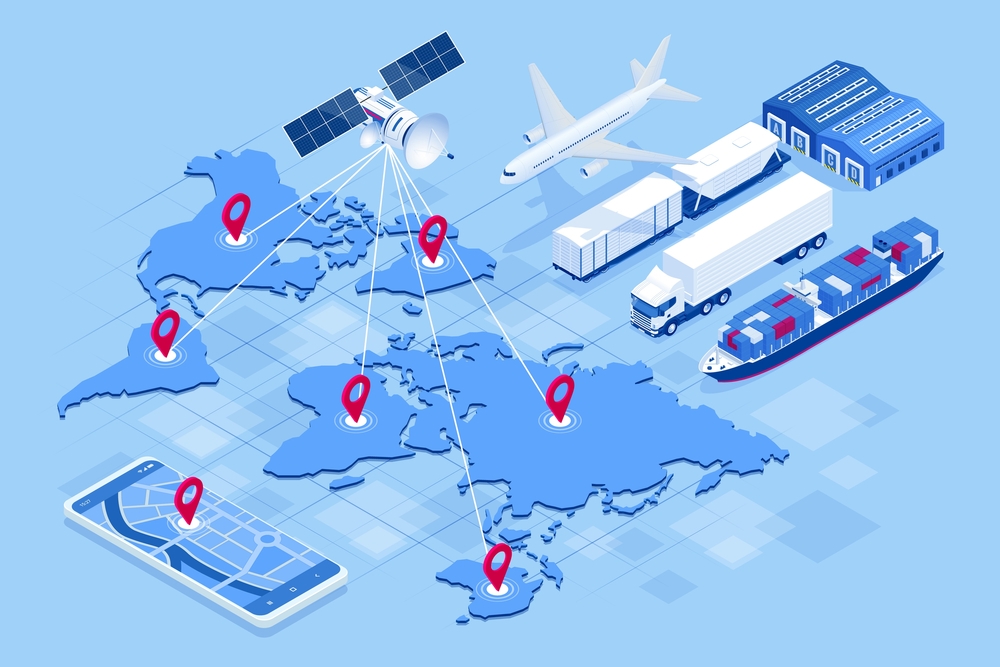
A shipment can leave a factory in China on schedule and still face difficulties before reaching a buyer in Pakistan. Documents may need to be checked, cargo may require customs processing, and the shipment eventually has to move from a port or airport to its final destination. This is where Freight Forwarders in Pakistan can play a coordinating role. They connect different parts of the logistics chain and help businesses manage the movement of international cargo from origin to destination.
How Do Freight Forwarders Connect Different Parts of Global Trade?
Freight forwarding is primarily about coordination. A forwarder may work with carriers, customs representatives, warehouses, transport providers, suppliers, and importers to organise different stages of a shipment. The exact services vary according to the agreement and the type of cargo.
Consider a Pakistani clothing manufacturer importing fabric from China. The manufacturer may have to coordinate supplier collection, export transportation, international freight, arrival procedures, customs documentation, and inland delivery. Having these activities organised as part of one logistics plan can make it easier to track responsibilities and identify where a delay has occurred.
Why Is Documentation Important in Freight Forwarding?
International shipments depend heavily on accurate information. Commercial invoices, packing lists, bills of lading or airway bills, certificates, permits, and other documents may be required depending on the cargo and transaction.
For example, an importer orders 300 cartons of electrical components, but the final packing list shows 320 cartons because the supplier added additional products. If the commercial documentation is not updated, the discrepancy can create questions during customs processing. Checking shipment information before departure can help identify such inconsistencies earlier.
How Do Freight Forwarders Help With Transport Planning?
Different cargo requires different transportation decisions. A large shipment of furniture may be better suited to sea freight, while urgent replacement parts may require air transportation. Freight planning therefore involves considering cargo volume, dimensions, urgency, value, destination, and the overall cost.
Imagine an automobile parts distributor waiting for a small component needed to repair vehicles already scheduled for customers. Sending that particular component by air may make commercial sense because the cost of a delay could be greater than the additional freight expense. A larger replenishment shipment, meanwhile, might continue through a slower but more economical transport method.
What Role Does Customs Coordination Play?
Customs is a separate regulatory process from transportation, but the two are closely connected from a practical planning perspective. Importers need accurate product descriptions, values, classifications, and supporting documents to complete the applicable procedures.
A freight forwarder may coordinate information between the importer and the parties handling customs, but importers remain responsible for understanding their own regulatory and commercial obligations. For instance, a business importing machinery should know what the equipment is, how it will be used, and whether any product-specific approvals or documentation are required.
How Can Freight Forwarders Improve Shipment Visibility?
Shipment visibility becomes increasingly valuable as supply chains become more complex. A business may have inventory moving through several stages, from supplier collection to export handling, international transportation, customs processing, and final delivery.
For example, a retailer preparing for a seasonal sales campaign can use shipment updates to adjust its inventory plans if cargo is delayed. If the retailer knows early that stock will arrive later than expected, it may change the timing of promotions or redistribute existing inventory between stores. The value of shipment visibility is therefore not simply knowing where a container is; it is having information early enough to make a useful business decision.
How Can DDP Arrangements Change Freight Coordination?
A
china to pakistan ddp service can involve a different allocation of responsibilities because Delivered Duty Paid under Incoterms® 2020 places substantial obligations on the seller, including import clearance and applicable duties and taxes, subject to the agreed transaction and legal requirements. The named destination and exact contractual terms remain important.
For example, a small Pakistani online retailer may prefer a DDP arrangement because it wants a clearly defined delivery destination rather than separately coordinating every international shipping stage. However, the retailer should still confirm what the quotation includes, who handles import formalities, which charges are covered, and whether the goods require specific licences or regulatory approvals. DDP does not remove the need for accurate product information or due diligence.
Why Is Local Delivery Important After International Transport?
International transportation is only one part of the cargo journey. After a shipment reaches Pakistan, it may still need customs release, port or airport handling, inland transportation, warehousing, and final delivery.
Suppose an importer brings commercial equipment through Karachi but operates a factory in Faisalabad. The arrival of the shipment at Karachi does not mean the supply chain is complete. The importer still needs to plan onward transportation and ensure the receiving facility is ready. Poor coordination at this stage can create storage problems or delay the availability of the equipment.
What Should Businesses Consider When Choosing a Forwarding Arrangement?
Businesses should evaluate more than the freight rate. They should understand which services are included, which party is responsible for each stage, how shipment information is communicated, and what happens if delays or documentation problems occur.
A useful comparison is:
| Transport mode |
Influences speed, capacity, and cost |
| Documentation |
Reduces avoidable clearance issues |
| Customs coordination |
Helps organise the required import process |
| Shipment visibility |
Supports earlier operational decisions |
| Destination delivery |
Determines how cargo reaches the final facility |
| Service scope |
Clarifies which responsibilities are included |
The appropriate arrangement depends on the shipment rather than a universal definition of the "best" forwarder.
Frequently Asked Questions
What does a freight forwarder do?
A freight forwarder coordinates aspects of cargo movement between the shipper and destination. Depending on the agreement, this can include transportation arrangements, documentation coordination, shipment tracking, warehousing, and communication with other logistics parties.
Do freight forwarders handle customs themselves?
Responsibilities vary. A forwarder may coordinate with customs agents or other authorised parties, but the importer should understand who is legally responsible for the relevant customs declarations and obligations.
Why is shipment tracking important?
Tracking provides information about cargo progress. Businesses can use that information to adjust inventory, warehouse preparation, production schedules, or customer delivery expectations.
Is DDP suitable for every importer?
No. DDP can be useful in certain transactions, but its suitability depends on the goods, destination, regulatory requirements, seller's ability to handle import obligations, and the buyer's preferred level of control.
What should a business ask before choosing a forwarding arrangement?
It should ask which services are included, what documentation is required, who handles customs-related responsibilities, where final delivery occurs, and which additional costs or exclusions may apply.
Conclusion
Freight forwarding helps connect the many separate activities involved in international trade. Transportation, documentation, customs coordination, shipment visibility, and destination delivery all contribute to whether cargo reaches its intended destination efficiently.
For businesses importing or exporting through Pakistan, the most useful approach is to evaluate the entire logistics chain rather than focusing solely on the freight price. Clear responsibilities, accurate information, realistic delivery expectations, and appropriate transport planning provide a stronger foundation for international trade than simply selecting the fastest or cheapest option.
 English
 Arabic
 French
 Spanish
 Portuguese
 Deutsch
 Turkish
 Dutch
Dutch
 Italiano
 Russian
 Romaian
 Portuguese (Brazil)
 Greek
Greek
 Social Networth OS
 Creator Commerce
 Launch Startup
 Global News
 Creator Award
 Talkfever App
Ver todos
Talkfever App
Ver todos