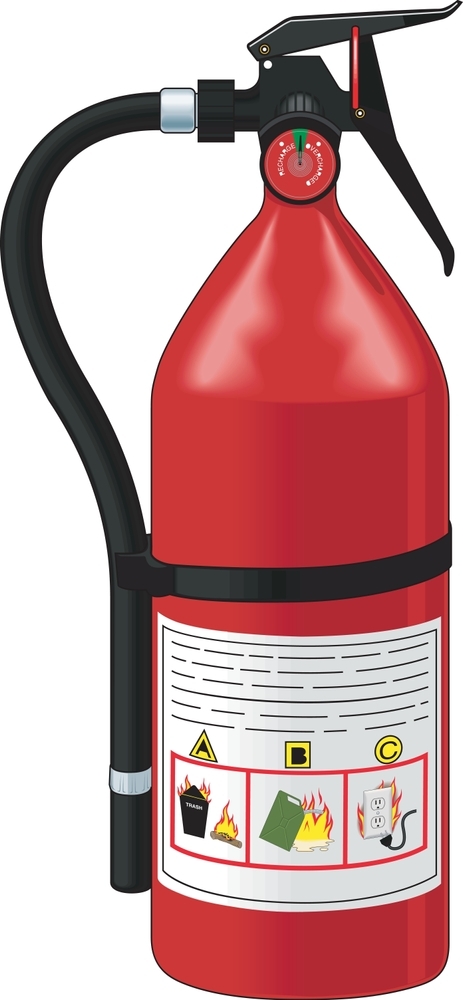
A faint burning smell came from a server room just before the afternoon shift ended. A technician noticed smoke near an electrical cabinet and immediately informed the responsible staff instead of trying to investigate too closely. The room contained sensitive electronic equipment, so the type of extinguishing agent mattered. Using an unsuitable agent could control the flames while creating another problem for the equipment.
This is why knowing the fire classification of an extinguisher is important before an emergency occurs. Halotron is a clean-agent extinguishing option designed for particular applications, but it is not intended for every type of fire. Understanding its suitable uses and limitations helps workplaces make safer decisions.
What Is a Halotron Fire Extinguisher?
A
Halotron Fire Extinguisher uses a clean extinguishing agent designed for applications where leaving large amounts of residue could be undesirable. It is commonly associated with electrical and electronic equipment because the agent does not leave the powder residue produced by many dry chemical extinguishers.
Halotron extinguishers are generally intended for Class B and Class C fire hazards, depending on the specific extinguisher's listing and rating. Class B involves flammable liquids, while Class C involves energized electrical equipment.
The exact rating printed on the extinguisher should always be checked before use because not every model has identical specifications.
How Does Halotron Suppress a Fire?
Halotron works by interfering with the combustion process rather than simply covering the burning material with a layer of water or powder.
When discharged into a suitable fire, the agent acts in the flame zone and helps interrupt the chemical reactions that allow combustion to continue. This makes it particularly useful for certain situations where a clean extinguishing agent is preferred.
For example, consider a small fire beginning around an electrical control unit. A suitable clean agent may suppress the flames without depositing a layer of dry chemical powder over the surrounding components.
That does not mean the equipment will automatically be undamaged. Heat, smoke, and the fire itself can still affect electrical components.
Can Halotron Be Used on Electrical Fires?
Electrical equipment is one of the situations in which clean agents such as Halotron may be considered.
An electrical fire can involve energized wiring, control panels, computers, machinery, or other powered equipment. Water-based extinguishing methods may not be appropriate for energized electrical hazards, which is why extinguishing-agent selection matters.
For example, a small flame inside an electrical cabinet may be suitable for response with an appropriately rated extinguisher if the fire remains at an early stage and the person responding has been trained.
However, if smoke is heavy, flames are spreading, or the escape route is becoming unsafe, the priority should be evacuation and emergency response rather than attempting to control the fire.
“The right extinguisher is determined by the hazard, not simply by the location where the extinguisher is stored.”
What About Flammable-Liquid Fires?
Halotron extinguishers can be rated for certain Class B fires, which involve flammable liquids such as fuels, oils, solvents, or other combustible liquids.
Imagine a small quantity of solvent catching fire around a workshop workbench. A correctly rated extinguisher may be suitable for an early-stage response when the conditions are safe.
However, a larger liquid fire can spread rapidly and produce intense heat. Portable extinguishers are not intended to replace professional firefighting when the fire has grown beyond an incipient stage.
The specific extinguisher rating should always be checked rather than assuming that every Halotron model is suitable for every flammable-liquid hazard.
Why Is a Clean Agent Useful Around Sensitive Equipment?
One reason clean agents are considered for certain applications is the reduced cleanup associated with the extinguishing agent itself.
Dry chemical extinguishers can leave powder on computers, control panels, instruments, and other equipment. Halotron, by contrast, is designed as a clean extinguishing agent and does not leave the same type of powder residue.
Consider a small equipment room containing electronic control systems. If a suitable fire occurs, avoiding a coating of powder may make post-fire cleaning less complicated.
The clean discharge does not eliminate the need to inspect equipment after a fire. Smoke, heat, corrosion, and electrical damage can still create serious problems.
How Does Equipment Cost Compare With Safety Helmet Price in Pakistan?
When organisations compare
safety helmet price in Pakistan, they are looking at a completely different type of safety product from a fire extinguisher. A helmet is personal protective equipment designed to protect the head from specific workplace hazards, while an extinguisher is intended to address an appropriate fire during an emergency.
For example, a construction worker may need head protection because of falling-object risks, while the same worksite may also require appropriately selected fire equipment because of electrical machinery, fuel, or other fire hazards.
Comparing these products only by price would not make sense because their functions and risk controls are different. Safety equipment should be evaluated according to the hazard it is intended to address, applicable standards, suitability, and maintenance requirements.
Which Fires Should Not Be Handled With Halotron?
Understanding the limitations of an extinguisher is just as important as understanding its applications.
Halotron should not be treated as a universal extinguisher for every fire. Ordinary combustible materials such as wood, paper, cardboard, and many textiles can continue burning or smoldering after the visible flames have been suppressed.
For example, if a pile of cardboard catches fire in a warehouse, a clean agent may not provide the sustained cooling needed to prevent the material from reigniting.
Specialised hazards also require appropriate extinguishing agents. Cooking-oil fires, for example, need equipment specifically designed for that type of hazard.
Why Does Fire Classification Matter?
Fire classifications help identify the type of material involved and guide the selection of appropriate extinguishing equipment.
| Class A |
Ordinary combustibles |
Wood, paper, cardboard |
| Class B |
Flammable liquids |
Solvents, fuels, oils |
| Class C |
Energized electrical equipment |
Panels, wiring, machinery |
| Class D |
Combustible metals |
Certain metal-processing materials |
| Class K |
Cooking oils and fats |
Commercial cooking equipment |
Classification systems can vary by jurisdiction and standard, so workplace safety personnel should follow the classifications applicable to their location and equipment.
What Should You Check Before Using a Halotron Extinguisher?
Before relying on an extinguisher, the workplace should confirm that it is appropriate for the identified hazards.
The label should be checked for its fire rating and application. The extinguisher should also be accessible, properly maintained, and free from obvious physical damage.
Employees should understand the emergency procedure and receive appropriate training where portable extinguisher use is part of the workplace plan.
If the fire is growing quickly or there is significant smoke, employees should not put themselves at risk simply because an extinguisher is nearby.
Why Are Inspection and Maintenance Important?
An extinguisher cannot provide dependable protection if it has been discharged, damaged, corroded, or improperly maintained.
Routine inspection can identify problems before an emergency occurs. The cylinder, discharge components, pressure condition where applicable, mounting arrangement, and accessibility should be addressed according to the manufacturer's instructions and applicable requirements.
For example, an extinguisher may be correctly selected for an electrical room but become ineffective from a practical standpoint if it is blocked by stored materials.
“Fire equipment needs to be suitable, accessible, and ready before it is needed.”
Frequently Asked Questions
What types of fires can a Halotron extinguisher handle?
Depending on its specific rating, Halotron extinguishers are commonly used for certain Class B and Class C hazards, including selected flammable-liquid and energized electrical fires.
Is Halotron suitable for paper and wood fires?
It is generally not the preferred choice for ordinary Class A materials because these materials may continue to smolder after the visible flames disappear.
Does Halotron leave residue?
Halotron is a clean agent and does not leave the powder residue associated with many dry chemical extinguishers.
Can Halotron be used on electrical equipment?
Appropriately rated models can be used for certain energized electrical fire hazards. The extinguisher's label and rating should always be checked.
Is every Halotron extinguisher the same?
No. Models can differ in capacity, rating, design, and listing. The information on the specific extinguisher should be used when determining its intended application.
Conclusion
Halotron has a particular place in fire protection where clean extinguishing agents are useful. Its applications can include certain electrical and flammable-liquid hazards, particularly where avoiding powder residue around sensitive equipment is an important consideration.
It should not, however, be viewed as a universal solution. Ordinary combustibles, cooking hazards, combustible metals, and other specialised fires may require different extinguishing methods.
The safest approach is to identify the fire risks first, select equipment according to the applicable classification and rating, maintain it properly, and ensure employees understand when an extinguisher can be used safely and when evacuation should take priority.
 English
 Arabic
 French
 Spanish
 Portuguese
 Deutsch
 Turkish
 Dutch
Dutch
 Italiano
 Russian
 Romaian
 Portuguese (Brazil)
 Greek
Greek
 Social Networth OS
 Creator Commerce
 Launch Startup
 Global News
 Creator Award
 Talkfever App
Ver todos
Talkfever App
Ver todos