English
 Arabic
 French
 Spanish
 Portuguese
 Deutsch
 Turkish
 Dutch
Dutch
 Italiano
 Russian
 Romaian
 Portuguese (Brazil)
 Greek
Greek
USA Headless CMS Software Market Accelerates with Healthcare Interoperability and Digital Experience Modernization
Other |
2026-08-20 07:39:16
 Social Networth OS
 Creator Commerce
 Launch Startup
 Global News
 Creator Award
 Talkfever App
Hepsini Gör
Talkfever App
Hepsini Gör

Upgrade to Pro
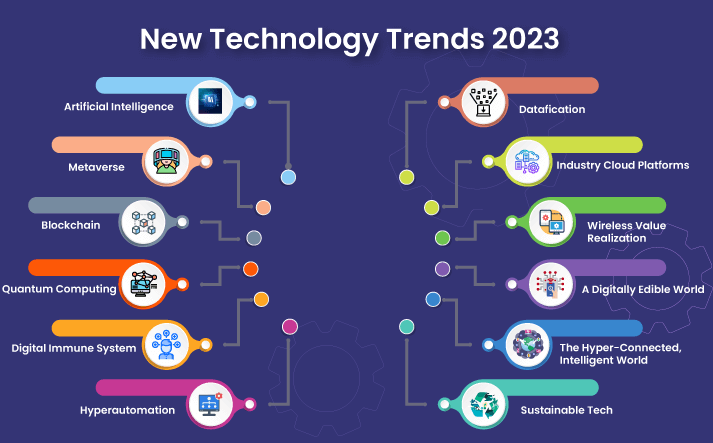
Technology is changing how people communicate, work, shop, travel, and manage everyday tasks. New devices are becoming smaller, more connected, and easier to use, while software continues to improve the way these devices operate. For consumers, this means technology news is no longer limited to computers and smartphones. Connected devices, artificial intelligence, batteries, sensors, cloud services, and digital security are now part of the wider technology conversation.
The consumer technology market is also becoming more focused on practical features. People want devices that are reliable, simple to operate, and useful in everyday situations. Manufacturers are responding by improving battery systems, displays, connectivity, charging, and device controls.
At the same time, technology brings new questions about privacy, cybersecurity, electronic waste, and responsible product development. These issues are becoming important parts of technology news and are likely to influence the market in the coming years.
Artificial intelligence is moving beyond large data centers and software platforms. It is increasingly being integrated into phones, computers, cameras, home devices, and other consumer electronics.
Modern devices can use machine-learning systems for tasks such as image processing, voice recognition, translation, recommendations, and automation. Some processing can happen directly on a device rather than sending every request to a remote server.
This development is often called edge AI or on-device AI. It can provide several practical benefits:
Faster responses for certain tasks.
Reduced dependence on continuous cloud connections.
Better privacy for some types of processing.
Lower network requirements.
More personalized device functions.
However, AI features also require careful design. Consumers need to understand what information a device collects and how that information is processed. Manufacturers must also consider security when AI systems are connected to personal data or other devices.
Technology reporting should therefore look beyond claims about AI capabilities. A useful review should explain what the feature actually does, what hardware it requires, and whether it provides a meaningful benefit.
As AI becomes more common, digital literacy will become increasingly important. Consumers will need to understand basic concepts such as local processing, cloud computing, permissions, data collection, and software updates.
Battery performance continues to influence the design of portable electronics. Consumers want longer operating times without carrying large or heavy batteries. Manufacturers are therefore working on improvements in battery chemistry, charging systems, power management, and hardware efficiency.
Battery technology is particularly important for smartphones, laptops, wearable devices, wireless accessories, electric vehicles, and other portable products.
Several areas are receiving attention:
Faster charging systems.
Improved battery energy density.
Better thermal management.
More efficient processors.
Software-based power optimization.
Battery health monitoring.
Fast charging can make devices more convenient, but charging systems also need appropriate thermal and electrical controls. Heat management is important because excessive heat can affect battery performance and longevity.
Processor efficiency is another part of the equation. A more efficient chip can perform tasks using less power, helping extend battery life without necessarily increasing battery size.
Consumers can also contribute to longer battery life through everyday habits. Keeping software updated, reducing unnecessary background activity, managing display settings, and avoiding extreme temperatures can help maintain device performance.
Technology news is increasingly covering battery development because improvements in this area can affect many industries at the same time.
The Internet of Things, commonly known as IoT, refers to physical devices that can connect to networks and exchange information. Smart lights, security cameras, thermostats, watches, appliances, sensors, and industrial equipment are examples of connected technology.
The growth of connected devices offers convenience, but it also creates security responsibilities. Every connected device can become part of a larger digital network, making basic cybersecurity practices important.
Consumers should consider several factors before connecting a new device:
Whether the manufacturer provides regular security updates.
How account passwords are managed.
What personal information the device collects.
Whether two-factor authentication is available.
How long software support is expected to continue.
Whether unused connectivity features can be disabled.
Weak passwords and outdated software can create unnecessary security risks. Consumers should change default passwords where appropriate and install legitimate firmware updates.
Manufacturers also have a role in improving connected-device security. Security should be considered during product development rather than treated as an optional feature after launch.
The growing number of connected devices also raises questions about compatibility. A smart device may work well within one ecosystem but have limited support for products from another company. Consumers should check compatibility before purchasing multiple connected products.
As technology becomes more integrated into daily life, cybersecurity and electronic waste are becoming major consumer issues. A modern device may contain personal information, account credentials, location data, photographs, and other sensitive material.
Basic security practices can reduce many common risks:
Use strong and unique passwords.
Enable multi-factor authentication when available.
Install software and security updates.
Avoid downloading applications from unknown sources.
Review device permissions regularly.
Back up important data.
Remove personal information before recycling or selling a device.
Consumers should also consider the full lifecycle of electronic products. Devices eventually become obsolete, damaged, or unwanted, creating electronic waste.
Responsible disposal is important because electronics can contain materials that require specialized handling. Batteries should also be managed carefully because they can create safety problems when placed in ordinary waste streams.
Repairability is another growing technology issue. Products designed with replaceable components or accessible repair options can potentially remain useful for longer. Longer product lifespans can reduce the frequency of replacement and help limit electronic waste.
Online technology discussions can sometimes include unrelated product search terms such as YOVO JB50K Disposable Pod. Readers should distinguish those searches from broader technology reporting and focus on credible sources when researching electronics, software, or digital security.
Technology is continuing to develop around practical improvements in artificial intelligence, battery efficiency, connected devices, cybersecurity, and product sustainability. These areas affect consumers directly and are likely to remain important subjects in technology news.
AI can make devices more capable, while efficient hardware can improve battery performance. Connected technology can provide convenience, but it also requires responsible security practices. At the same time, electronic waste and repairability are encouraging manufacturers and consumers to think about the full lifecycle of devices.
Consumer interest in YOVO Vapes may appear within broader online technology searches, but responsible technology reporting should focus on verified information and relevant technical developments.
The technology market will continue to change as new hardware and software reach consumers. Staying informed, checking reliable sources, understanding privacy settings, and considering long-term device use can help people make better technology decisions.