English
 Arabic
 French
 Spanish
 Portuguese
 Deutsch
 Turkish
 Dutch
Dutch
 Italiano
 Russian
 Romaian
 Portuguese (Brazil)
 Greek
Greek
Expedition Excellence: Farming and Loot Optimization
Shopping |
2025-05-09 02:25:40
 Social Networth OS
 Creator Commerce
 Launch Startup
 Global News
 Creator Award
 Talkfever App
Alle anzeigen
Talkfever App
Alle anzeigen

Upgrade auf Pro
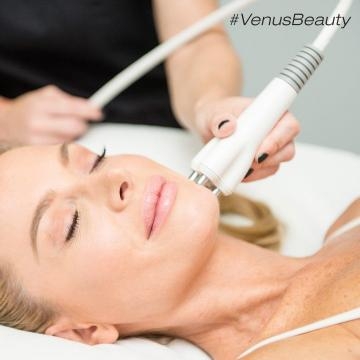
As interest in non-surgical aesthetics continues to grow, many people are looking for treatments that work with the body's natural processes. PRF Treatment is one option that has gained attention for its use of the patient's own blood to support skin rejuvenation. It is often considered by people who want to improve the appearance and quality of their skin without relying on synthetic substances.
PRF stands for Platelet-Rich Fibrin. It is an autologous treatment, meaning that it uses a sample of the patient's own blood. The blood is processed to concentrate platelets, fibrin and other naturally occurring components before the resulting preparation is applied or injected into the desired treatment area.
PRF differs from PRP (Platelet-Rich Plasma) in how the blood is processed and the composition of the final product. PRF contains a fibrin matrix, which can act as a supportive structure for the gradual release of growth factors.
The treatment is often discussed as part of regenerative aesthetic procedures because it aims to support the body's natural repair processes.
One of the main reasons people consider PRF Treatment is its potential role in improving the appearance of ageing or tired-looking skin. It may be used for areas such as the face, under-eye region and other areas where improvements in skin quality are desired.
Depending on the individual's needs and the practitioner's assessment, PRF may be considered to support:
Treatment suitability varies from person to person, so a professional consultation is essential before proceeding.
A typical appointment begins with a consultation to discuss your concerns, medical history and treatment goals. A small blood sample is then taken and processed using specialised equipment to prepare the PRF.
The prepared product may subsequently be introduced into the selected treatment area using an appropriate technique. The exact procedure will depend on the area being treated and the practitioner's approach.
Because PRF uses the patient's own blood, it is often appealing to people who prefer an autologous approach to aesthetic treatment. However, this does not mean the procedure is completely risk-free. Temporary swelling, bruising, redness or tenderness may occur following treatment.
If you are considering PRF Treatment, selecting a qualified and experienced practitioner is essential. A proper consultation should take place before treatment so that your suitability can be assessed and potential risks explained.
When researching a clinic, look at practitioner qualifications, relevant experience, treatment information and aftercare support. You should also be given realistic information about potential outcomes rather than guarantees.
A reputable provider will explain what the treatment can and cannot achieve and may recommend an alternative approach if PRF is not appropriate for your individual needs.
PRF can be an interesting option for people seeking a natural approach to skin rejuvenation. However, results vary depending on factors such as age, skin condition, lifestyle and individual response to treatment.
If you are considering PRF Treatment, arranging a consultation with a suitably qualified practitioner is the best way to understand whether it is appropriate for you. With professional assessment, realistic expectations and suitable aftercare, PRF can be considered as part of a personalised approach to improving the appearance and quality of the skin.