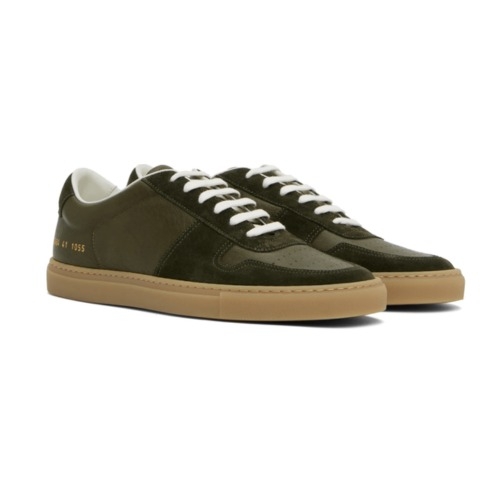
Common Projects has built its reputation around a powerful but simple idea: good design does not need to be loud. In a fashion industry filled with oversized logos, dramatic silhouettes, bright colors, and constantly changing trends, Common Projects chose a quieter direction. Its sneakers are recognized for clean shapes, carefully selected materials, subtle branding, and a strong focus on proportion. What may initially look like an extremely simple sneaker actually represents a carefully developed design philosophy. The brand has shown that simplicity can create identity, luxury, and long-term appeal when every detail is considered carefully.
A Philosophy Built Around Less
The simplicity of Common Projects is not accidental. The brand's design approach is based on removing unnecessary elements and allowing the essential parts of a product to speak for themselves. Instead of adding decorative features simply to make a sneaker look different, Common Projects focuses on the relationship between shape, material, construction, and function. This creates products that feel refined without appearing over-designed. The idea of using less also gives the shoes a sense of confidence. They do not need excessive decoration to communicate quality because the design itself is intended to provide the visual impact.
The Achilles as a Symbol of Simplicity
The Achilles Low is perhaps the clearest example of what makes Common Projects Achilles Low distinctive. Its smooth leather upper, clean sole, simple shape, and minimal branding create an appearance that is immediately recognizable to people familiar with the brand. There are no large graphics covering the sides and no complicated patterns competing for attention. Instead, the sneaker depends on proportion and finishing. The small gold numbers stamped on the heel provide one of its most recognizable details while maintaining the overall minimalist character. The Achilles demonstrates how a very simple silhouette can become powerful when it is executed consistently and thoughtfully.
Quality Becomes More Important
When a product has very little decoration, the quality of its individual elements becomes easier to notice. On a highly detailed sneaker, colors, graphics, panels, and branding can attract attention away from construction. Common Projects takes away many of those distractions, which places greater importance on the leather, stitching, shape, sole, and finishing. This is one reason the brand's minimalist aesthetic is closely connected to its luxury positioning. The simplicity creates a visual environment where craftsmanship matters. A clean sneaker cannot easily hide poor materials or careless construction, so every part contributes to the overall impression.
The Strength of Subtle Branding
Common Projects also demonstrates how branding can be effective without being overwhelming. Instead of placing a large logo on the side of the sneaker, the brand uses understated gold numbering on the heel. This detail is distinctive enough to become part of the brand's identity while remaining visually restrained. It creates a form of recognition that feels more personal and less promotional. Someone who knows Common Projects can recognize the detail immediately, while someone unfamiliar with the brand may simply see a clean sneaker. This subtle approach has helped the company establish an identity that is associated with confidence rather than excessive visibility.
Simplicity Creates Versatility
One of the biggest advantages of minimalist design is versatility. Common Projects sneakers can be combined with a wide range of clothing because they do not dominate an outfit. A pair can work with jeans and a T-shirt, relaxed trousers, a simple jacket, or more tailored clothing. This flexibility allows the shoes to move between different parts of everyday life without feeling out of place. Instead of forcing the wearer to build an entire outfit around the sneaker, the design supports the clothes already being worn. That makes simplicity practical as well as visually attractive.
A Design That Resists Trends
Fashion changes constantly, but Common Projects has largely avoided making its identity dependent on short-lived trends. The brand's simple aesthetic gives its products a longer visual life because they are not strongly connected to a particular season or fashion movement. A sneaker based on an extreme shape or temporary color trend may quickly feel dated when preferences change. A clean leather sneaker has fewer elements that can become outdated. This does not mean Common Projects never evolves, but its changes generally exist within a recognizable design language. The brand can introduce new colors, materials, and models without abandoning the simplicity that defines it.
Modern Without Being Excessive
Minimalism can sometimes be confused with plainness, but Common Projects shows that the two are not necessarily the same. The brand's sneakers may appear simple at first glance, yet their appeal comes from carefully controlled details. The shape of the shoe, the proportions of the sole, the quality of the leather, and the placement of the branding all contribute to its final appearance. Modernity comes from how these elements are combined rather than from adding futuristic or dramatic features. This creates a style that feels contemporary while avoiding the pressure to constantly appear new.
Luxury Without Loudness
Common Projects has also played an important role in the development of quiet luxury within footwear. Traditional ideas of luxury often depend on visible symbols such as large logos, elaborate patterns, or recognizable signatures. Common Projects takes another approach. Its products communicate luxury through materials, craftsmanship, construction, and restraint. The absence of obvious branding becomes part of the appeal. For many consumers, the value lies in knowing what they are wearing rather than making sure everyone else notices it. This creates a more discreet relationship between the wearer and the product.
The Importance of Proportion
When a design is simple, proportion becomes extremely important. There are fewer elements available to distract the eye, so the overall shape has to feel balanced. Common Projects' appeal comes partly from this careful relationship between the upper, sole, heel, and overall silhouette. The sneaker looks clean because its components work together rather than competing with one another. This is an important principle of minimalist design: simplicity is often harder to achieve successfully than complexity. Removing elements requires confidence that the remaining elements are strong enough to carry the design.
Everyday Wearability
Another reason the simplicity of Common Projects has remained influential is its relationship with everyday life. The sneakers are not designed only for fashion photography or special occasions. Their understated appearance allows them to become part of a regular wardrobe. They can be worn repeatedly without making the owner feel as though they are constantly wearing the same statement piece. Instead, they provide a dependable foundation for different outfits and situations. Over time, this everyday usefulness can become one of the most valuable qualities of the product.
Simplicity and Personal Style
A highly expressive sneaker can sometimes define an outfit before the wearer has a chance to do so. Common Projects works differently because its minimalism leaves room for personal style. The wearer decides whether the overall appearance is casual, sophisticated, relaxed, or contemporary. The sneaker adapts rather than dominates. This makes the product especially appealing to people who prefer their clothing to feel coordinated rather than heavily branded. The simplicity becomes a blank space that allows the personality of the wearer to remain visible.
Why Simplicity Feels Premium
There is also a psychological connection between simplicity and premium design. When a product appears effortless, consumers may assume that the company has confidence in the underlying quality. Common Projects benefits from this perception because its sneakers do not rely on visual complexity to justify their presence. The design communicates that nothing unnecessary has been added. Every visible detail appears intentional. This can make the product feel considered and sophisticated, particularly when combined with premium materials and careful construction.
The Long-Term Appeal of Minimalism
The greatest strength of Common Projects' simplicity may be its ability to remain relevant over time. Trends can create excitement, but simplicity can create familiarity. A well-designed minimalist sneaker can continue to fit into a wardrobe even when the owner's clothing preferences change. This gives the product a different kind of longevity. Rather than depending on constant novelty, it becomes useful because it continues to make sense. That is a significant achievement in an industry where many products are designed to attract attention for only a short period.
More Than Just a Simple Sneaker
It would be easy to look at a Common Projects sneaker and describe it simply as a plain leather shoe. That description misses the thought behind the design. The simplicity is the result of decisions about materials, proportions, branding, construction, and functionality. The absence of decoration is itself a design choice. Common Projects has transformed minimalism into a recognizable identity by demonstrating that restraint can be just as distinctive as extravagance.
Conclusion
The simplicity that defines Common Projects is ultimately about discipline. The brand does not remove details because it has nothing to say; it removes unnecessary details so the important ones can speak more clearly. Its clean silhouettes, subtle branding, premium materials, and balanced proportions have created products that feel luxurious without being excessive. The result is footwear that can move easily through different outfits, seasons, and changing fashion preferences.
In a world where attention is often treated as the most valuable currency, Common Projects offers a different perspective. It shows that lasting recognition can come from restraint, and that simplicity can become a powerful form of design when it is supported by quality and consistency. The brand's greatest achievement is not simply creating a minimal sneaker, but proving that less can become more when every detail has a reason to exist.
 English
 Arabic
 French
 Spanish
 Portuguese
 Deutsch
 Turkish
 Dutch
Dutch
 Italiano
 Russian
 Romaian
 Portuguese (Brazil)
 Greek
Greek
 Social Networth OS
 Creator Commerce
 Launch Startup
 Global News
 Creator Award
 Talkfever App
Tout voir
Talkfever App
Tout voir