English
 Arabic
 French
 Spanish
 Portuguese
 Deutsch
 Turkish
 Dutch
Dutch
 Italiano
 Russian
 Romaian
 Portuguese (Brazil)
 Greek
Greek
Press Release: Aramid Fiber Market Foreseen to grow exponentially Over 2030 | +22% CAGR | Exactitude Consultancy
Other |
2024-02-17 03:32:16
 Social Networth OS
 Creator Commerce
 Launch Startup
 Global News
 Creator Award
 Talkfever App
Ver todos
Talkfever App
Ver todos

Atualizar para Plus
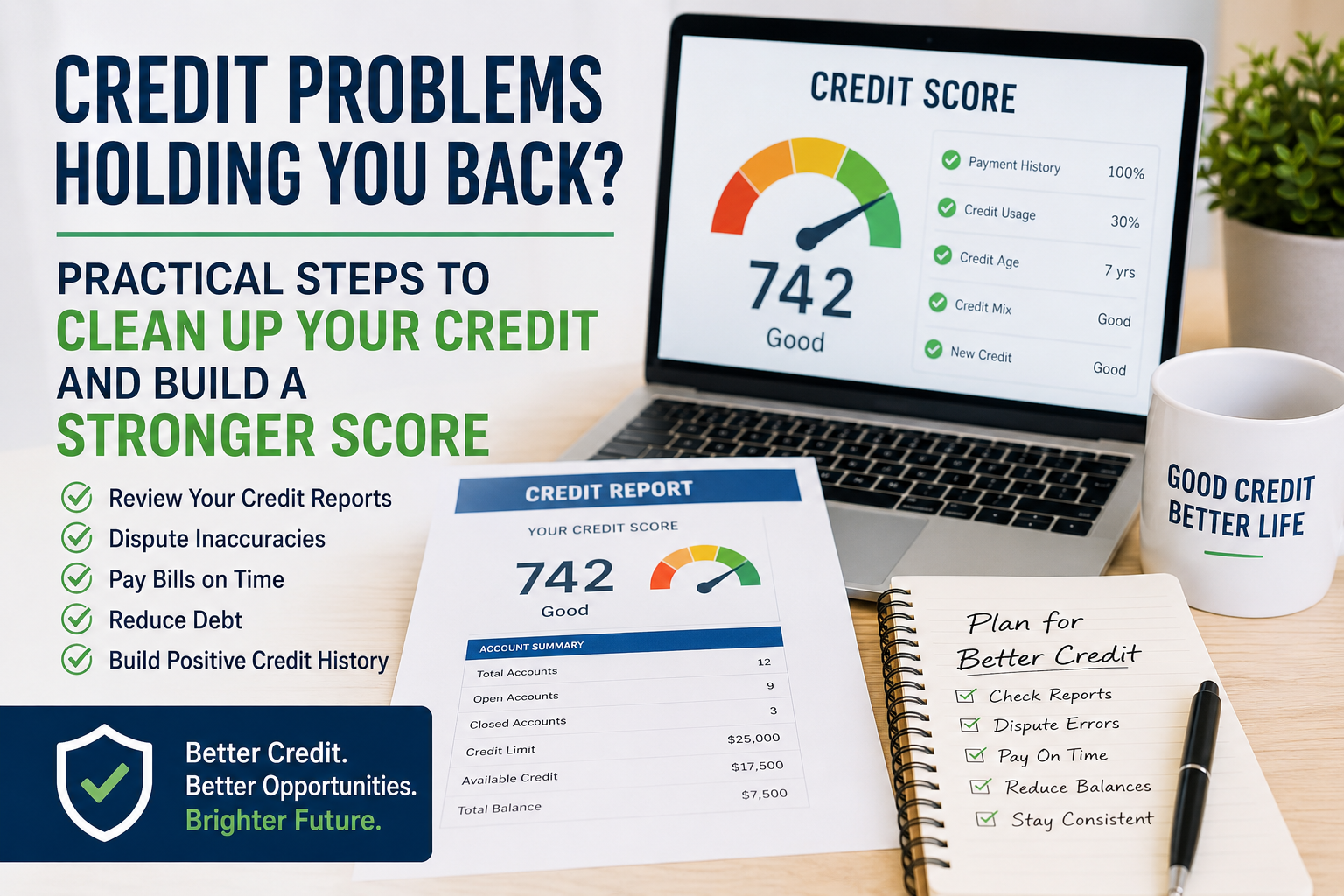
A strong credit profile can make everyday financial goals easier to achieve. Whether you want to qualify for a mortgage, finance a vehicle, apply for a credit card, or simply improve your financial position, your credit history can play an important role. But when your credit report contains inaccurate information, high balances, missed payments, or accounts you do not recognize, knowing where to begin can be difficult.
The good news is that credit problems do not always have to remain permanent. With careful review, accurate information, responsible financial habits, and appropriate professional guidance, consumers can work toward a healthier credit profile.
Credit fixing is generally the process of reviewing your credit reports, identifying information that may be inaccurate or incomplete, and taking appropriate steps to address legitimate issues. It can also involve developing better financial habits that support long-term credit improvement.
Some common issues people discover on their credit reports include:
Not every negative entry can or should be removed. Accurate negative information may remain on a credit report for a legally permitted period. A responsible approach focuses on correcting information that is inaccurate, incomplete, or otherwise eligible for dispute rather than promising to erase legitimate credit history.
Before trying to improve your credit score, understand what is affecting it. Obtain your credit reports from the major credit reporting agencies and carefully review each section.
Look beyond your score. Check account names, balances, payment histories, dates, credit limits, and account statuses. Comparing information across your reports can also reveal discrepancies.
If you find an error, gather supporting documentation before submitting a dispute. Clear records can make it easier to explain why information should be corrected.
This first step is important because you cannot effectively solve a credit problem if you do not know what is causing it.
Credit improvement is usually a process rather than an overnight transformation. Several financial habits can help create a stronger credit profile.
Payment history is an important part of many credit scoring models. Missing payments can negatively affect your credit, while consistently paying accounts on time can help establish positive payment behavior.
Consider setting up automatic payments or calendar reminders so important due dates are easier to manage.
High revolving balances can make it harder to maintain a healthy credit profile. If possible, work toward reducing credit card balances while continuing to make at least the required payments on time.
Creating a realistic repayment plan can be more effective than taking on additional debt simply to move balances around.
Applying for multiple credit accounts within a short period can create additional inquiries and may signal increased borrowing activity. Apply for new credit when there is a genuine financial need and compare options before submitting applications.
The age and history of your accounts can contribute to your overall credit profile. Before closing an older account, consider how doing so could affect your available credit, account history, and financial situation.
Some consumers prefer to handle credit report disputes themselves, while others want professional assistance organizing the process. A credit fixing service may help consumers understand their reports, identify potential inaccuracies, organize documentation, and navigate appropriate dispute procedures.
However, choosing a service provider requires careful research. Be cautious of companies that guarantee a specific credit score increase, promise to remove every negative account, or claim they can instantly create a new credit identity.
A legitimate provider should explain what it can and cannot do, clearly disclose fees and services, and avoid encouraging you to provide false information.
A credit repair specialist can help consumers understand credit reports and develop a structured approach to addressing potential reporting problems. Depending on the service, assistance may include reviewing credit reports, identifying questionable information, helping prepare disputes, and providing education about credit management.
Professional assistance can be especially useful when your reports contain multiple discrepancies or you are unsure how to organize the information.
Still, professional credit repair does not replace responsible financial behavior. Correcting an inaccurate account may improve your credit profile, but continuing to miss payments or maintain excessive debt can create new problems.
A practical credit improvement plan should focus on actions you can continue for months and years.
Start by listing your current accounts, balances, minimum payments, and due dates. Then prioritize essential payments and create a realistic debt-reduction strategy. Review your credit reports periodically and keep copies of relevant correspondence and documentation.
It can also help to build an emergency savings fund. Unexpected expenses are one reason people may rely heavily on credit cards or miss payments. Even a modest financial cushion can reduce the need to use credit for every unexpected cost.
If you decide to seek professional help, do your research before signing an agreement. Ask:
Avoid providers that pressure you into paying immediately or make unrealistic promises.
If you are exploring professional assistance, you can learn more about credit repair services and credit improvement support through our website before deciding what approach is right for your situation.
Fixing credit is not simply about achieving a higher number. The broader goal is to create a reliable financial history that supports future borrowing decisions.
Review your reports carefully, dispute genuine inaccuracies, make payments consistently, control revolving debt, and avoid unnecessary borrowing. If the process feels complicated, working with a reputable credit repair specialist may provide additional structure and education.