English
 Arabic
 French
 Spanish
 Portuguese
 Deutsch
 Turkish
 Dutch
Dutch
 Italiano
 Russian
 Romaian
 Portuguese (Brazil)
 Greek
Greek
Chip-on-Wafer (CoW) Assembly Market Expands with Rising Demand for Advanced Semiconductor Packaging Solutions
Dance |
2026-05-27 07:42:34
 Social Networth OS
 Creator Commerce
 Launch Startup
 Global News
 Creator Award
 Talkfever App
Tout voir
Talkfever App
Tout voir

Mise à niveau vers Pro
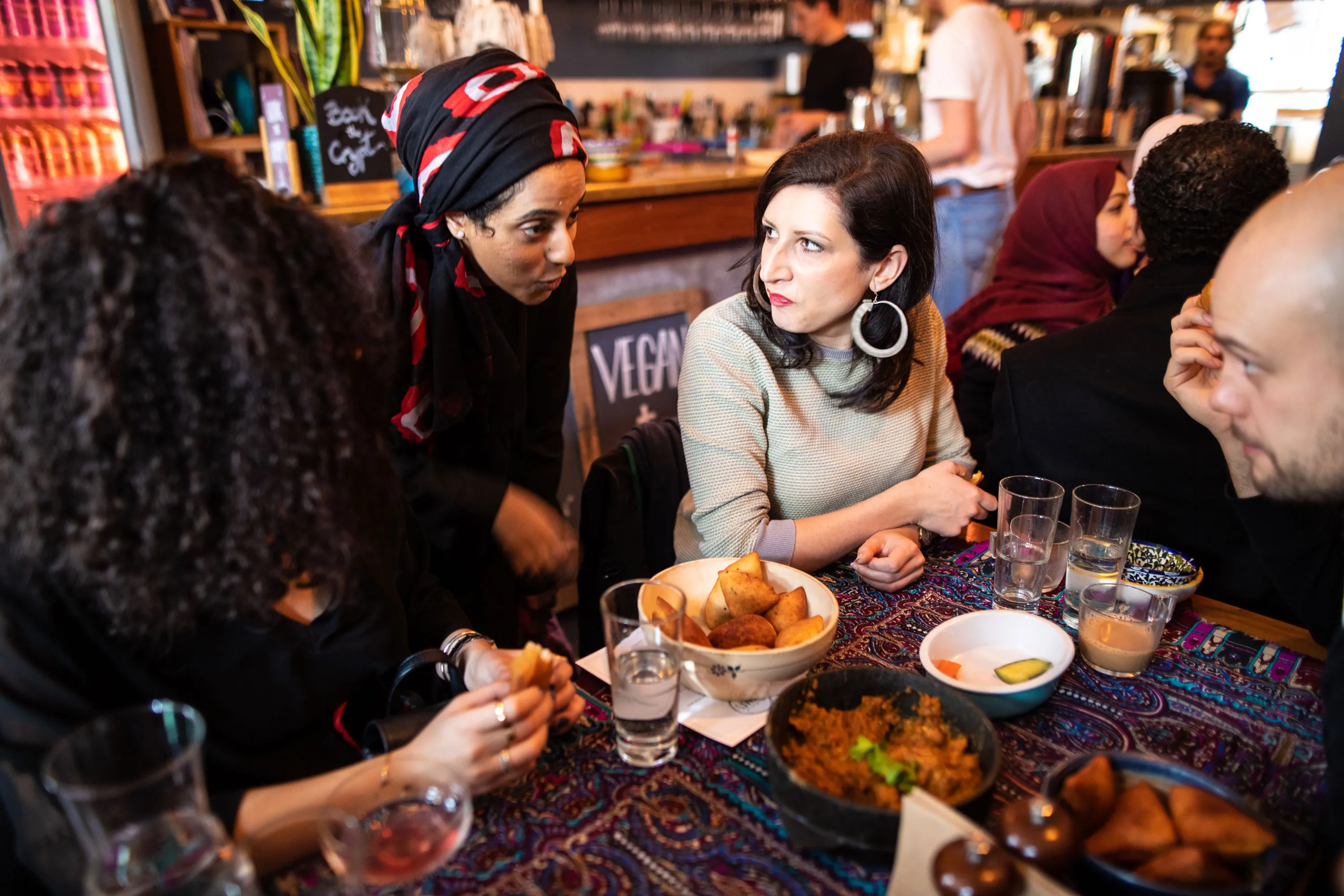
London, Ontario is home to a diverse culinary scene where diners can discover flavours from many different cultures. Among the cuisines gaining greater attention is Yemeni food, known for fragrant rice, slow-cooked meats, aromatic spices, traditional sauces, and generous family-style portions.
For food lovers who want to explore something beyond familiar Middle Eastern dishes, Yemeni cuisine offers a distinctive experience. Its recipes often focus on carefully balanced spices, slow preparation, and ingredients that complement one another rather than relying on excessive heat.
From traditional mandi and madfoon to grilled meats, rice dishes, soups, and shared platters, Yemeni food provides plenty of options for both first-time diners and people already familiar with the cuisine.
Yemeni cuisine has developed through centuries of regional traditions, cultural influences, agriculture, and trade. The country's geographical diversity has contributed to a food culture that varies between different regions and communities.
Despite these differences, several characteristics are commonly associated with Yemeni cooking.
Rice is an important foundation of many meals, while lamb, chicken, beef, and seafood can serve as the main proteins. Spices and herbs contribute aroma and depth, while slow cooking can create tender and flavorful meats.
Another defining characteristic is the communal nature of dining. Many dishes are served in generous portions designed to be shared by families and groups.
This makes Yemeni food particularly suitable for social dining.
Spices are an essential part of Yemeni cooking, but the cuisine is not necessarily defined by extreme heat.
Instead, many dishes rely on aromatic spice combinations to develop flavour. Depending on the recipe, ingredients such as cumin, coriander, cardamom, cinnamon, black pepper, cloves, turmeric, and other seasonings may contribute to the overall profile.
The result can be warm, fragrant, and layered.
For diners who usually associate Middle Eastern food with heavily seasoned or spicy dishes, Yemeni cuisine can provide a different experience based on balance and aroma.
Mandi is one of the most recognizable dishes associated with Yemeni cuisine.
It generally combines fragrant rice with tender, slow-cooked meat, traditionally lamb or chicken. The rice is carefully seasoned, while the meat is prepared to develop a soft texture and rich flavour.
The simplicity of the dish is part of its appeal.
Rather than overwhelming the palate with numerous ingredients, mandi allows the rice, meat, and spices to work together.
For first-time diners, it can be one of the easiest ways to experience traditional Yemeni food.
Mandi is not the only traditional dish worth trying.
Madfoon is another popular Yemeni preparation featuring meat and rice, with a cooking process that gives the meat a distinctive character.
Depending on the restaurant, diners may be able to choose between chicken, lamb, and other protein options.
Trying both mandi and madfoon can be a good way to understand the differences between traditional Yemeni cooking techniques.
Slow cooking is an important part of many Yemeni recipes.
Cooking meat gradually can help develop tenderness and allow spices and aromatics to penetrate the dish.
This is especially noticeable in lamb preparations.
When prepared correctly, slow-cooked lamb can become exceptionally tender while retaining its rich natural flavour.
The cooking process also creates an appealing contrast with fragrant rice and fresh sides.
Rice plays a central role in Yemeni meals.
Rather than serving plain rice simply as an accompaniment, many Yemeni dishes make rice an integral component of the meal.
Spices and aromatics can give the rice a distinctive flavour that complements the main protein.
The combination of seasoned rice and tender meat creates a filling meal that works particularly well for family-style dining.
Halal food is an important consideration for many diners when choosing a restaurant.
A halal yemen restaurant can provide customers with an opportunity to enjoy traditional Yemeni dishes while also following halal dietary requirements.
When selecting a restaurant, customers can review available information about meat sourcing, food preparation, and dietary practices.
For events and group dining, discussing halal requirements with the restaurant in advance can also help ensure the menu is suitable for all guests.
London's diverse food culture gives residents and visitors opportunities to experience cuisines that may not be available in every Canadian city.
A yemeni restaurant can offer something different from conventional fast-casual or Western dining, particularly for customers who enjoy rice-based meals, slow-cooked meats, and shared dishes.
The experience can range from casual individual meals to large family platters.
For first-time visitors, exploring the menu gradually can make the experience more enjoyable.
If you are unfamiliar with Yemeni food, starting with a signature dish is often the easiest approach.
Mandi can provide an introduction to the combination of fragrant rice and slow-cooked meat that characterizes much of Yemeni cuisine.
Chicken mandi can be a relatively approachable choice, while lamb mandi offers a richer experience.
For groups, family platters can make it possible to share several dishes and experience more of the menu.
After trying the traditional favourites, diners can explore other rice dishes, grilled meats, soups, appetizers, and seafood depending on the restaurant.
One of the most enjoyable aspects of Yemeni cuisine is its suitability for sharing.
Large platters can bring together rice, meat, sauces, salads, and other sides.
Instead of everyone ordering a separate entrée, a group can share a central platter and enjoy the meal together.
This style of dining works especially well for:
Family dinners
Birthday celebrations
Engagements
Community gatherings
Religious occasions
Weekend meals
Corporate gatherings
The communal format can make the meal feel more social and relaxed.
Finding the best yemeni restaurant is ultimately a matter of personal preference, but several factors can help diners evaluate their options.
A good menu should provide more than one signature dish. Look for a selection of rice dishes, meats, appetizers, sides, and beverages.
Fresh ingredients and properly prepared meats can have a major influence on the dining experience.
If authenticity is important to you, look for restaurants that focus on traditional cooking methods and recognizable Yemeni recipes.
Yemeni food is often well suited to sharing, so generous portions can be particularly useful for families and groups.
Customers following halal dietary requirements should review the restaurant's halal information before ordering.
Friendly service and a comfortable environment can make the dining experience more enjoyable.
Yemeni food is naturally suitable for catering because many dishes are prepared in large quantities and served communally.
Weddings, birthdays, community gatherings, corporate events, and family celebrations can all benefit from large rice and meat platters.
Mandi catering is especially popular for larger groups because the dish can provide a substantial meal while also creating a visually impressive presentation.
For event organizers, it is important to confirm guest numbers, dietary requirements, service arrangements, delivery options, and menu selections in advance.
Although meat and rice are central to many Yemeni dishes, there is more to explore.
Depending on the restaurant, diners may find salads, soups, sauces, seafood, vegetable dishes, appetizers, breads, and drinks.
These accompaniments can add variety and balance to the meal.
Trying different sides can also help first-time diners understand how Yemeni meals are traditionally constructed.
London, Ontario's restaurant industry continues to reflect the city's growing cultural diversity.
International restaurants give residents opportunities to experience different culinary traditions without travelling outside the region.
Yemeni cuisine adds another layer to that diversity.
For food lovers who enjoy exploring new flavours, a yemeni cuisine restaurant can provide a memorable experience centered around traditional recipes, shared meals, aromatic spices, and slow-cooked dishes.
This makes Yemeni cuisine relevant not only to people familiar with the culture but also to anyone interested in discovering something new.
One reason international cuisines continue to gain popularity is the desire for authentic food experiences.
Customers increasingly want to know the story behind the dishes they eat and explore traditional preparation methods.
Yemeni cuisine offers a rich opportunity in this respect.
The focus on communal meals, slow cooking, aromatic rice, and traditional recipes gives diners more than just another restaurant option. It provides a cultural experience through food.
If this is your first time trying Yemeni cuisine, avoid ordering too many unfamiliar dishes at once.
Start with a signature rice and meat dish, then add a few sides or appetizers.
Ask the staff about popular dishes and portion sizes, particularly if you are dining with a group.
You can also explore different meats on subsequent visits.
Trying both chicken and lamb preparations, for example, can help you understand how the same cooking approach can produce different flavours.
The combination of substantial portions and shareable dishes makes Yemeni cuisine especially suitable for group dining.
A family can order a large platter and enjoy it together rather than purchasing several unrelated individual meals.
This can also make the dining experience more economical depending on the restaurant and group size.
More importantly, shared meals encourage conversation and create a sense of togetherness.
Yemeni cuisine offers London, Ontario food lovers an opportunity to explore traditional dishes built around fragrant rice, tender meats, aromatic spices, and communal dining.
Mandi and madfoon provide excellent introductions, while additional rice preparations, seafood, appetizers, sauces, and sides reveal the broader diversity of Yemeni cooking.
For people looking for something different, exploring a Yemeni restaurant can be a rewarding culinary experience. The combination of traditional preparation, rich flavours, generous portions, and shared dining creates an atmosphere that appeals to both newcomers and experienced food lovers.
As London's culinary landscape continues to diversify, Yemeni cuisine provides another opportunity to discover new flavours while experiencing the hospitality and traditions that make the food so distinctive.
Yemeni cuisine is known for fragrant rice, slow-cooked meats, aromatic spices, mandi, madfoon, shared platters, and traditional family-style meals.
Mandi is a traditional Yemeni dish that typically combines seasoned rice with slow-cooked meat such as lamb or chicken.
Many Yemeni restaurants serve halal food, but practices can vary. Diners who require halal food should confirm the restaurant's sourcing and preparation standards before ordering.
Mandi is a popular starting point because it showcases fragrant rice and slow-cooked meat, two important elements of Yemeni cuisine.
Yemeni food uses a variety of spices, but many dishes focus on aromatic and warm flavours rather than extreme heat.
Yes. Many Yemeni dishes are served in generous portions and are naturally suited to family-style and communal dining.
Both are traditional Yemeni meat-and-rice preparations, but their cooking methods and flavour profiles differ. Trying both can provide a better understanding of Yemeni cuisine.
Yes. Rice and meat platters, particularly mandi-based meals, are well suited to weddings, family celebrations, corporate events, and other large gatherings.