English
 Arabic
 French
 Spanish
 Portuguese
 Deutsch
 Turkish
 Dutch
Dutch
 Italiano
 Russian
 Romaian
 Portuguese (Brazil)
 Greek
Greek
Expert Demolition Contractor in Edmonton Your Trusted Partner for Safe and Efficient Demolition
Other |
2025-07-17 17:55:48
 Social Networth OS
 Creator Commerce
 Launch Startup
 Global News
 Creator Award
 Talkfever App
See All
Talkfever App
See All

Upgrade to Pro
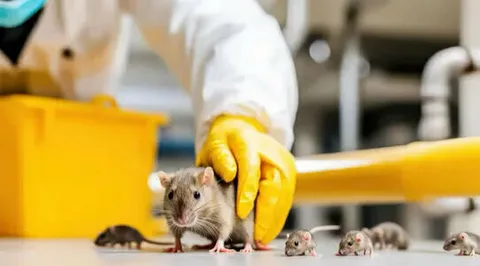
Rats can become a serious problem in homes, offices, warehouses, restaurants, shops, and other properties. They can damage electrical wiring, contaminate food, spread pathogens, and create unpleasant odors. In densely populated areas, poor waste management, open drains, and easy access to food can increase the risk of rodent activity.
Rat control services in Lahore focus on identifying the source of an infestation, reducing rat activity, preventing access, and applying suitable control methods. Similar principles apply across Pakistan, although local conditions can vary between cities and neighborhoods.
Rats are more than a nuisance. They can create health, hygiene, and property-related problems.
Rats can contaminate surfaces and food through urine, droppings, saliva, and contact with their bodies. They may also carry parasites and microorganisms that can affect people and animals.
Common warning signs include:
Early action can prevent a small infestation from becoming difficult to manage.
Rats need food, water, shelter, and access points. Properties that provide these conditions can attract rodents.
Several factors may contribute to rat activity in Lahore and other Pakistani cities:
Urban areas can provide rats with many hiding places. Construction activity and changes to drainage systems may also disturb established rodent habitats.
Effective rodent management normally involves more than placing traps or using poison. A systematic approach can provide better long-term results.
The first step is a detailed inspection of the property. A technician or pest management professional looks for signs of rat activity and identifies possible entry points.
The inspection may cover:
The goal is to determine where rats are entering, feeding, and nesting.
Rats can enter through surprisingly small openings. Professionals may identify gaps around pipes, doors, drains, walls, and utility lines.
Sealing these openings is an important part of rodent control because it reduces the opportunity for rats to return.
Depending on the property and infestation level, professionals may use traps, monitoring devices, exclusion methods, or approved rodenticides.
The appropriate method depends on factors such as:
Chemical treatments should always follow the product label and applicable safety requirements.
Rat control should not always end after the first treatment. Monitoring helps determine whether rat activity has decreased and whether additional measures are necessary.
Follow-up inspections can also identify new entry points or sanitation problems.
Residential properties require careful pest management because people and pets share the same environment.
Homeowners should:
If rats continue appearing despite these measures, professional inspection can help identify hidden access points or nesting areas.
Businesses can face greater risks because they may store food, packaging, raw materials, or waste.
Restaurants, hotels, grocery stores, warehouses, and food-processing facilities should maintain strong sanitation and pest monitoring programs.
Good sanitation does not replace professional pest management when an active infestation exists, but it makes the environment less attractive to rats.
Rat poison can be dangerous when used incorrectly. It can harm children, pets, wildlife, and non-target animals.
People should never use pesticides casually or place them where children or animals can access them. Always follow the product label, use the correct application method, and observe required safety precautions.
For serious infestations, professional pest management can reduce unnecessary exposure to chemicals and improve control planning.
Preventing an infestation is usually easier than dealing with an established one.
Property owners across Pakistan can reduce risks by maintaining sanitation and building integrity.
These steps are useful in Lahore as well as other urban areas of Pakistan.
When selecting a pest management provider, consumers should focus on safety, experience, and treatment practices rather than promises of instant results.
Consider asking:
A credible service should clearly explain the proposed treatment instead of relying on vague claims.
The timeline depends on the size of the infestation, available food sources, nesting locations, building structure, and prevention measures.
A minor problem may respond quickly to improved sanitation, exclusion, and trapping. A larger infestation may require several visits and continued monitoring.
The most effective approach combines rat removal, sanitation, exclusion, and ongoing inspection.
Although this article focuses on rat control services in Lahore, rodent problems can occur throughout Pakistan. Cities such as Karachi, Islamabad, Rawalpindi, Faisalabad, Multan, Peshawar, and other urban areas can face similar challenges.
Local conditions matter. Climate, waste disposal systems, building design, drainage, population density, and food availability can all influence rodent activity.
Therefore, an effective rat control service in Pakistan should assess the specific property rather than applying exactly the same method everywhere.
Rat infestations can affect health, hygiene, food safety, and property. Effective control starts with inspection and identification of the problem. Exclusion, sanitation, appropriate control methods, and follow-up monitoring can help reduce current activity and prevent future infestations.
For homes and businesses in Lahore and across Pakistan, prevention remains an important part of long-term rodent management.
The FAQs below provide quick answers to common questions about rat infestations, professional control, prevention, and safety. They are designed to help property owners understand the most important steps before choosing a suitable rat management approach.
Common signs include droppings, gnaw marks, scratching noises, damaged food packaging, greasy marks along walls, unusual odors, and visible rats.
Keep food sealed, manage waste properly, repair leaks, remove clutter, maintain drains, and seal gaps around doors, walls, pipes, and utility openings.
Rat poisons can be hazardous if used incorrectly. Keep them away from children, pets, and non-target animals, and always follow the product label and safety instructions.
The time varies according to infestation size and property conditions. Small infestations may improve quickly, while larger problems can require repeated treatment and monitoring.
Many professional programs combine inspection, control, exclusion, sanitation advice, and follow-up monitoring. The exact service depends on the provider and property requirements.