English
 Arabic
 French
 Spanish
 Portuguese
 Deutsch
 Turkish
 Dutch
Dutch
 Italiano
 Russian
 Romaian
 Portuguese (Brazil)
 Greek
Greek
Raipur to Ambikapur Cab | Raipur to Ambikapur Taxi
غير مصنف |
2026-05-28 06:43:16
 Social Networth OS
 Creator Commerce
 Launch Startup
 Global News
 Creator Award
 Talkfever App
عرض كل النتائج
Talkfever App
عرض كل النتائج

ترقية الحساب
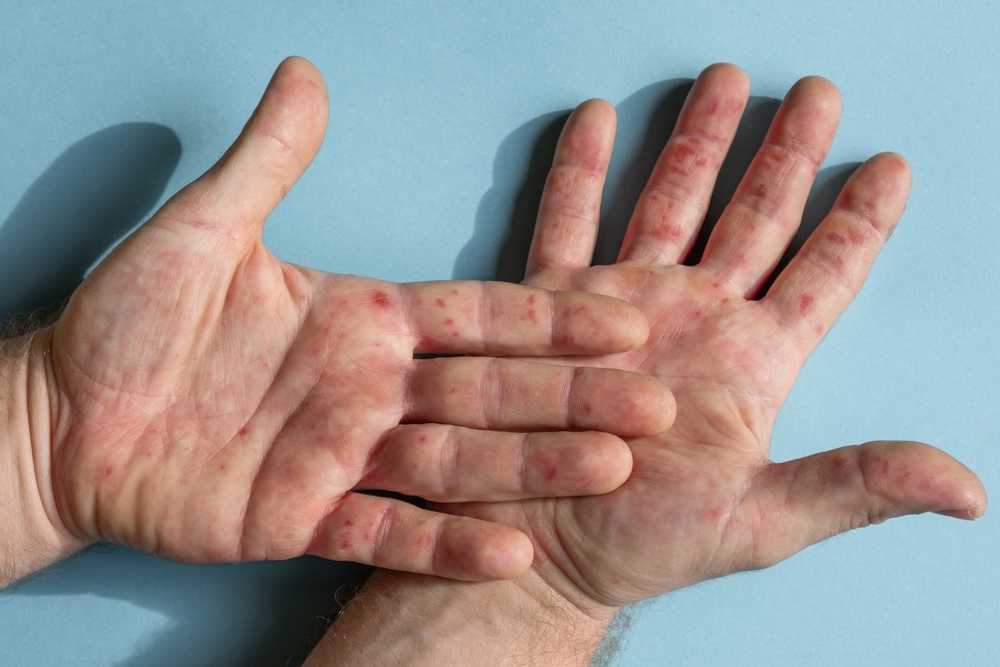
Eczema can affect people at any age, but it does not always look or feel the same throughout life. A child may develop itchy patches on the face or the folds of the arms, while an adult may experience dry, thickened skin on the hands, neck, or other areas. Knowing what to look for can make it easier to recognize changes and seek appropriate care.
For anyone understanding eczema symptoms, one important point is that eczema can vary widely from person to person. Age, skin type, affected body areas, triggers, and the severity of inflammation can all influence how symptoms appear.
This guide explores how eczema symptoms can differ between children and adults, what they have in common, and when professional guidance may be helpful.
Eczema refers to a group of conditions that cause inflammation and irritation of the skin. Atopic dermatitis is the most common type.
People with eczema may experience periods when symptoms improve and times when they become more noticeable. These periods are often called flare-ups.
Regardless of age, eczema can cause:
Itchy skin
Dryness
Irritation
Swelling
Scaling
Cracked skin
Thickened skin
Changes in skin color
However, the location and appearance of these symptoms can differ significantly between children and adults.
Eczema is particularly common during childhood.
Some children develop symptoms during infancy, while others develop them later.
The appearance of eczema can change as a child grows.
Babies with eczema often develop symptoms on the face, scalp, and outer areas of the arms and legs.
The skin may appear:
Dry
Red or darker than surrounding skin
Rough
Scaly
Irritated
Cheeks are a common area for eczema in babies.
Because babies cannot explain that their skin is itchy, parents may notice behaviors such as rubbing their face against bedding or becoming more irritable.
As children become more mobile, eczema often appears in different locations.
The folds of the elbows and knees are common areas.
Children may have difficulty resisting the urge to scratch.
Repeated scratching can damage the skin and create a cycle of itching and irritation.
In some cases, scratching can also increase the risk of skin infections.
Keeping fingernails short and using recommended skin care routines can help reduce damage caused by scratching.
As children grow, eczema may become more localized.
The hands, wrists, ankles, and areas behind the knees can be affected.
Repeated scratching over time can cause the skin to become thicker.
This change is sometimes called lichenification.
The skin may also become rough or darker or lighter than the surrounding area, depending on the person's skin tone and how the eczema heals.
Adults can experience many of the same symptoms as children, but the affected areas and appearance can be different.
Adult eczema commonly affects areas such as the hands, face, neck, eyelids, and skin folds.
Adults may experience eczema on the hands because of frequent exposure to irritants.
People who regularly wash their hands or work with water, cleaning products, chemicals, or other irritants may be especially affected.
Symptoms can include dryness, cracking, scaling, redness, itching, and soreness.
Adults who have experienced eczema for a long time may develop thickened skin.
This often happens because of repeated scratching or rubbing.
Persistent itching can become one of the most frustrating parts of eczema.
It may interfere with sleep, work, exercise, and other everyday activities.
Adults may also find themselves scratching without realizing it, particularly during stressful situations or while trying to fall asleep.
Although eczema can look different at different ages, several symptoms overlap.
| Symptom | Children | Adults |
|---|---|---|
| Itching | Very common | Very common |
| Dry skin | Common | Common |
| Face involvement | Common in infants | Can affect the face and eyelids |
| Elbow and knee folds | Common in older children | Common |
| Hand eczema | Possible | Common |
| Thickened skin | Can occur | More common with long-term eczema |
| Sleep disruption | Common | Common |
| Flare-ups | Common | Common |
The table provides general patterns, but eczema does not follow exactly the same pattern for everyone.
Several factors can influence how eczema appears.
Children's skin is still developing and can be more sensitive to environmental factors.
As people age, the skin also changes.
Differences in skin barrier function, moisture levels, hormone levels, and exposure to irritants can influence symptoms.
Children and adults may also encounter different triggers.
A child may experience symptoms after exposure to certain environmental allergens, heat, sweat, or fabrics.
Adults may deal with occupational irritants, stress, cosmetics, frequent hand washing, or household chemicals.
Identifying personal triggers can help with long-term management.
Eczema does not always appear as bright red patches.
This is important because skin tone can influence how inflammation looks.
On darker skin, eczema may appear brown, purple, gray, or darker than the surrounding skin.
The affected area may also look ashy, swollen, dry, or rough.
Changes in texture and itching can be just as important as color when recognizing eczema.
On lighter skin, inflammation may appear pink or red.
The skin can also become dry, scaly, swollen, or cracked.
Because eczema can look different from person to person, professional evaluation can be useful when the diagnosis is uncertain.
A flare-up occurs when eczema symptoms become worse.
Both children and adults can experience flare-ups.
Possible triggers include:
Dry weather
Heat
Sweating
Stress
Fragrances
Harsh soaps
Detergents
Certain fabrics
Environmental irritants
Allergens
The exact triggers vary from one person to another.
Keeping track of symptoms can help families and adults identify patterns.
Eczema can affect more than the skin.
For children, persistent itching can interfere with sleep and concentration.
A child who feels itchy at night may scratch instead of sleeping comfortably.
Poor sleep can then affect mood, school performance, and daytime energy.
Parents may also find nighttime flare-ups challenging because they are trying to comfort their child while managing their own interrupted sleep.
Adults can experience similar challenges.
Persistent eczema may interfere with work, relationships, exercise, sleep, and social activities.
Visible skin changes can sometimes make people feel self-conscious.
Some adults may avoid certain clothing or social situations because they are worried about how their skin looks.
These experiences are valid and worth discussing with a healthcare professional when eczema is affecting daily life.
Whether the person with eczema is a child or an adult, professional guidance may be appropriate when symptoms are severe or difficult to manage.
Consider seeking medical advice if:
Itching is interfering with sleep
Symptoms are spreading
The skin becomes painful
The condition frequently flares
Scratching causes open wounds
There are signs of infection
Symptoms do not improve with your usual care
You are unsure whether the rash is eczema
Several skin conditions can look similar to eczema.
A healthcare professional can review the symptoms, examine the skin, and consider the person's medical history.
Getting the right diagnosis helps guide appropriate treatment and management.
While treatment should be personalized, basic skin care can be helpful for both children and adults.
Regular moisturizing can help support the skin barrier.
Choose products that work well for sensitive skin and apply them consistently.
Fragrance-free soaps, cleansers, and moisturizers may be less irritating for sensitive skin.
Avoid products that repeatedly cause burning, itching, or irritation.
If you know what causes your flare-ups, reducing exposure may help.
For children, parents can keep track of possible triggers.
Adults can also maintain a simple symptom diary to identify patterns.
Eczema can look different at different stages of life. Babies may develop dry or irritated patches on the face, while older children often experience symptoms around the elbows and knees. Adults may be more likely to experience hand, neck, facial, or thickened skin changes.
Despite these differences, itching and dry, inflamed skin remain common features across age groups. Symptoms can also vary based on skin tone, triggers, and the type of eczema involved.
If eczema symptoms are severe, persistent, or affecting sleep and everyday life, speaking with a healthcare professional can help. An appropriate evaluation can also rule out other skin conditions that may look similar.
Research continues to help experts better understand atopic dermatitis and potential approaches to care. If you are interested in learning more about ongoing research opportunities, you can explore atopic dermatitis clinical studies.
Whether eczema affects a child or an adult, understanding the symptoms is an important first step. With proper guidance and consistent skin care, families and individuals can take a more informed approach to managing this often frustrating condition.