English
 Arabic
 French
 Spanish
 Portuguese
 Deutsch
 Turkish
 Dutch
Dutch
 Italiano
 Russian
 Romaian
 Portuguese (Brazil)
 Greek
Greek
App Development Dallas Building Smarter Apps for Modern Businesses
Other |
2026-07-24 19:02:07
 Social Networth OS
 Creator Commerce
 Launch Startup
 Global News
 Creator Award
 Talkfever App
Alle anzeigen
Talkfever App
Alle anzeigen

Upgrade auf Pro
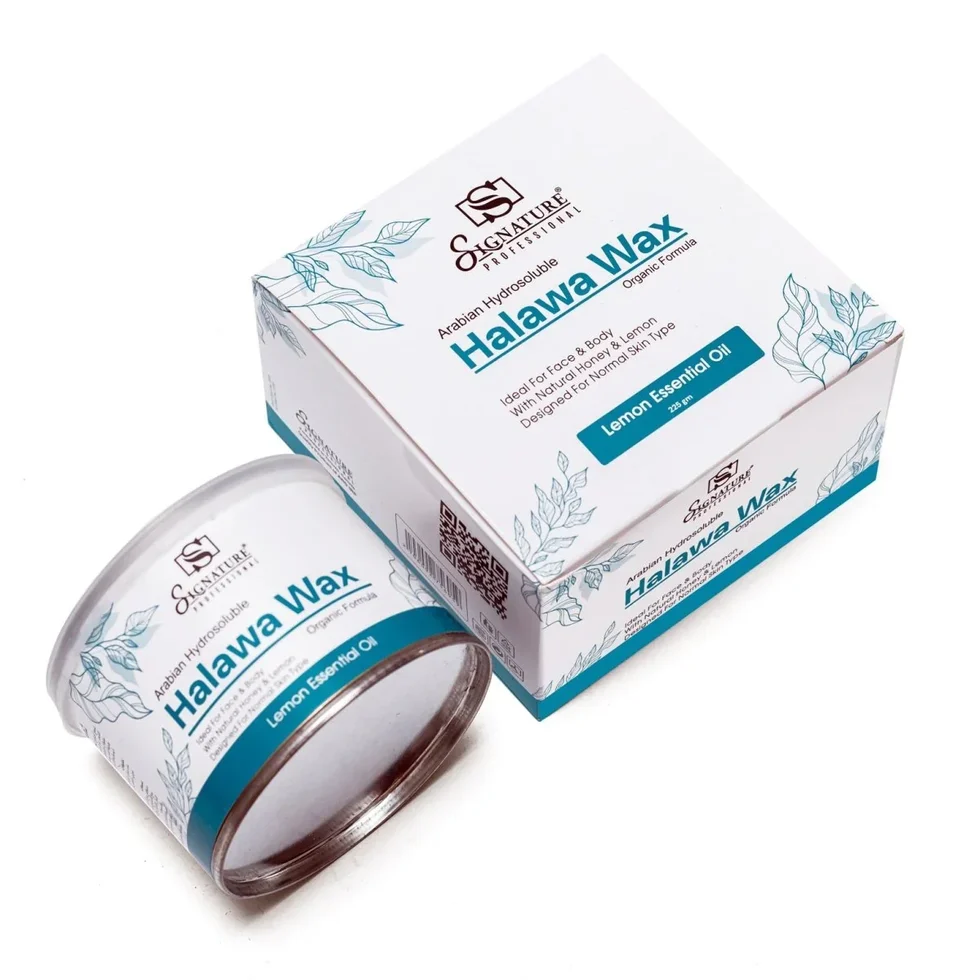
Hair removal is an important part of many grooming and skincare routines. People use several methods to get rid of unwanted hair, including shaving, threading, depilatory creams, and waxing. Among these options, Halawa wax, also known as sugar wax or sugaring, has become increasingly popular because it removes hair from the root rather than simply cutting it at the skin's surface.
But how exactly does Halawa wax remove hair from the root? The process is based on the sticky nature of sugar paste and the way it grips the hair shaft. When the paste is applied and removed correctly, it can pull the hair out of the follicle, leaving the skin smooth.
Understanding how this process works can help you use Halawa wax more effectively and avoid common mistakes. This article explains the science and technique behind root-level hair removal, its benefits, preparation steps, and aftercare tips.
Halawa wax is a traditional sugar-based hair-removal paste. Classic formulations commonly use sugar, water, and lemon juice, although commercial products can contain additional ingredients.
Unlike a razor, which cuts hair at the surface of the skin, sugaring uses a sticky paste to grip the hair and remove it from the follicle. Cleveland Clinic explains that sugaring paste adheres to body hair and pulls it out when the paste is removed.
This root-level removal is the main reason Halawa wax can provide longer-lasting smoothness compared with shaving.
To understand how Halawa wax works, it helps to understand basic hair structure. Hair grows from a follicle located within the skin. The visible part of the hair is called the shaft, while the root is located inside the follicle.
When you shave, the razor cuts the visible hair shaft while leaving the root inside the skin. This is why shaved hair can become visible again relatively quickly.
Waxing and sugaring work differently. They pull the hair out of the follicle rather than simply cutting it at the surface. The American Academy of Dermatology confirms that waxing pulls hairs out when the wax is quickly removed.
The key to Halawa wax is its sticky consistency. Sugar paste is designed to adhere to the hair so that the hair can be pulled when the paste is removed.
When the paste comes into contact with the hair, it surrounds and grips the hair shaft. A properly prepared and applied paste can create enough adhesion to hold the hair firmly.
As the paste is removed with the correct technique, the force is transferred to the hair. Instead of merely breaking the visible portion of the hair, the process can pull the hair from its follicle.
This is why correct application and removal technique are so important.
One of the main differences between traditional sugaring and conventional waxing is the direction of application and removal.
With traditional sugaring, the paste is generally applied against the direction of hair growth and removed in the direction of hair growth. Cleveland Clinic describes this as one of the key differences between sugaring and waxing.
This technique is designed to work with the natural direction of the hair follicle. However, commercial Halawa products can use different application methods, particularly products designed for strips.
Therefore, always follow the specific instructions provided with your product.
Before applying Halawa wax, clean the treatment area thoroughly. Remove dirt, sweat, oils, makeup, and skincare products.
Dry the skin completely because excessive moisture or oil can interfere with the product's ability to grip the hair.
Some Halawa waxes can be used at room temperature, while others may require gentle warming. Follow the manufacturer's instructions carefully.
If the product needs to be heated, check its temperature before applying it. Excessively hot wax can burn the skin. The American Academy of Dermatology specifically warns that wax that is too hot can cause burns.
Take an appropriate amount of Halawa wax and apply it to a small section of skin.
With traditional sugaring, the paste is generally spread against the direction of hair growth. This helps the paste make contact with the hairs before removal.
Avoid covering excessively large areas because smaller sections provide better control.
The paste needs to make sufficient contact with the hair. Gentle pressure can help the sugar paste surround and grip the hair.
The goal is not to press aggressively into the skin. Instead, the paste should be worked into the hair so that it can adhere effectively.
Once the paste has been applied correctly, keep the skin taut and remove the paste using a quick movement in the direction recommended for the product.
In traditional sugaring, the paste is generally removed in the same direction that the hair grows. Cleveland Clinic notes that this differs from conventional waxing, where wax is generally removed against hair growth.
As the paste moves away from the skin, it grips the hair and pulls it from the follicle.
The objective of root-level hair removal is to remove the hair from the follicle rather than simply snapping the visible shaft.
However, not every hair will necessarily be removed perfectly during every application. Hair thickness, length, growth direction, product consistency, and application technique can all influence the result.
If the paste is applied incorrectly or removed poorly, some hairs may break rather than being removed completely from the root.
This is why technique matters just as much as the product itself.
Because the hair is removed from the follicle rather than simply cut at the surface, regrowth generally takes longer to become visible than it does after shaving.
Cleveland Clinic notes that sugaring treatments commonly last around three weeks, although hair growth varies by body area and individual.
The exact duration depends on factors such as genetics, hormones, hair thickness, and the natural growth cycle.
It is important to understand that Halawa wax does not permanently destroy the hair follicle. Hair can grow again because the follicle remains present.
Some people report that hair appears softer or thinner after repeated sugaring. However, results can vary between individuals.
Cleveland Clinic notes that hair may grow back softer and thinner for some people, particularly with repeated sugaring.
This should not be interpreted as permanent hair reduction. The effect depends on individual hair-growth patterns and repeated treatment.
Root-level hair removal offers several practical benefits. First, it can provide longer-lasting smoothness than shaving because the visible hair needs to grow again from within the follicle.
Second, the skin can feel smoother because there is no freshly cut hair shaft remaining at the surface.
Third, fewer frequent shaving sessions may be needed. The American Academy of Dermatology notes that waxing can provide results lasting a few weeks or longer, although individual results differ.
The main difference between Halawa waxing and shaving is where the hair is removed.
Shaving cuts the hair at the surface. It is quick and convenient but usually produces short-lived results.
Halawa wax pulls the hair from the root. This requires more preparation and can cause temporary discomfort, but the results generally last longer.
Neither method is universally better. The right choice depends on your skin, hair type, desired results, and personal preference.
Sugaring can provide some physical exfoliation during the hair-removal process. As the sugar paste is removed, it can take some surface dead skin cells with it.
Cleveland Clinic notes that sugaring may remove fewer additional skin cells than traditional waxing because the cooled sugar mixture does not adhere to the skin in the same way conventional wax does.
Even so, freshly treated skin should not immediately be subjected to additional aggressive exfoliation.
Good preparation can improve the overall experience. Start with clean, dry skin and avoid applying heavy oils or lotions immediately before treatment.
The hair should be long enough for the product to grip effectively, but excessively long hair may make removal more uncomfortable.
If you are using a new product, a patch test can be useful, especially if your skin is sensitive.
Avoid waxing skin that is sunburned, irritated, broken, or inflamed.
After removing hair from the root, the skin may experience temporary redness or sensitivity. This is a normal possibility with waxing and sugaring.
Keep the treated area clean and avoid unnecessary friction. Avoid immediately applying harsh exfoliants, strong skincare ingredients, or heavily fragranced products.
Cleveland Clinic recommends avoiding friction and irritating products after sugaring, particularly during the initial recovery period.
Gentle skincare can help the treated area remain comfortable.
Several mistakes can reduce the effectiveness of Halawa waxing. Applying the paste to oily or damp skin can make it difficult for the product to grip the hair.
Using an incorrect application direction can also reduce effectiveness. Another common mistake is repeatedly treating the same area in an attempt to remove every remaining hair.
Excessive passes can increase skin irritation. If a few hairs remain, it may be better to address them separately rather than repeatedly applying wax to already-treated skin.
Product quality and formulation can influence the hair-removal experience. Always choose a product that is appropriate for the body area you intend to treat and check its ingredients and instructions.
Signature Professional can be part of a personal beauty and grooming routine for individuals looking for convenient hair-removal solutions. As with any cosmetic product, users should follow the manufacturer's directions and consider their own skin sensitivity.
Halawa wax can be useful for many people, but it is not suitable for every skin condition or situation.
People with irritated, broken, sunburned, or infected skin should avoid waxing until the skin has recovered. People using certain medications, including isotretinoin or topical tretinoin, may also need to avoid waxing because these treatments can increase the risk of skin injury.
If you have a significant skin concern or are unsure whether waxing is appropriate, consult a dermatologist before treatment.
Halawa wax removes hair from the root by using a sticky sugar-based paste that grips the hair and pulls it from the follicle when removed correctly. Unlike shaving, which only cuts hair at the skin's surface, sugaring provides root-level hair removal that can offer longer-lasting smoothness.
Proper skin preparation, suitable hair length, correct application direction, and controlled removal are essential for achieving good results. While Halawa wax can be an effective hair-removal option, individual results and skin reactions can vary.
For people searching for the Best Wax for Hair Removal in Pakistan, understanding how Halawa wax works can make it easier to choose and use a suitable product. With a quality product, correct technique, and appropriate aftercare, Signature Professional can be part of a practical hair-removal and personal-grooming routine.